

ODI and SpO2 Wearables: Respiratory Rate Accuracy Myths

Wearable respiratory biomarkers: what people get wrong
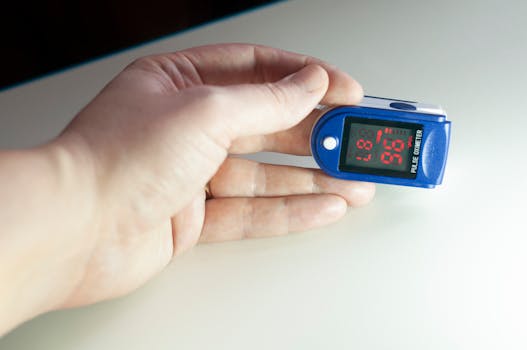
Wearable devices increasingly report respiratory-related signals such as oxygen saturation (SpO2), derived sleep metrics, and estimates of respiratory rate. Among these, terms like ODI (often used to describe oxygen desaturation events) and “respiratory rate” show up frequently in dashboards and reports. Unfortunately, a common misunderstanding is to treat these outputs as if they were direct clinical measurements with the same reliability as diagnostic-grade equipment.
This myth-busting guide focuses on the wearable respiratory biomarkers ODI SpO2 respiratory rate accuracy question: what these metrics can realistically indicate, why accuracy varies by device and conditions, and how to interpret trends without overreacting to noise. The goal is practical clinical-style thinking—understanding measurement limitations, avoiding common misinterpretations, and knowing when to seek confirmatory evaluation.
Myth: ODI on a wearable is the same as a clinical ODI
ODI generally refers to the number of oxygen desaturation events over a period, typically defined by a threshold drop in SpO2 (commonly a 3% or 4% drop) from a preceding baseline. In sleep medicine, ODI is usually derived from data collected with validated sensors and standardized processing rules.
Wearables may label a metric as ODI or “oxygen desaturation events,” but the underlying definition can differ. Common differences include:
- Desaturation threshold and baseline method: Wearables may use different percentage-drop thresholds or adapt baseline values differently.
- Event detection algorithms: Some devices smooth the signal, filter motion artifacts, or apply proprietary logic to decide when an “event” starts and ends.
- Time window: ODI is often computed over a sleep period or specified duration. Wearables may compute it over total recording time, including periods outside sleep.
- Sensor and sampling details: Sampling rate, optical path length, and signal conditioning vary substantially between consumer devices and clinical systems.
What this means in practice: a wearable “ODI-like” metric is best treated as a trend indicator rather than a direct substitute for diagnostic ODI from a sleep study. Even when the number looks plausible, differences in definitions can shift the value up or down without reflecting true physiological severity.
Practical guidance: If your wearable reports an ODI-like metric, focus on changes over time (for example, “night-to-night increase during a respiratory illness”) rather than matching the value to a clinical threshold. When clinical-grade interpretation matters—such as suspected sleep apnea—confirmatory testing using validated monitoring is the appropriate next step.
Myth: SpO2 from a wrist sensor is always accurate
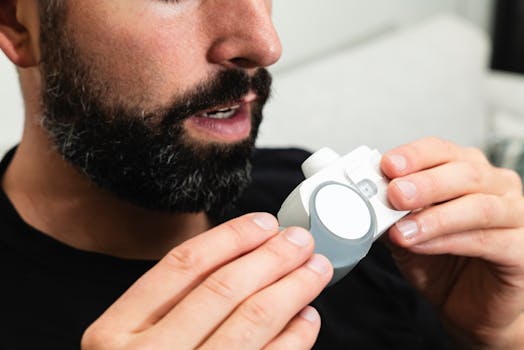
SpO2 measures the percentage of hemoglobin saturated with oxygen. Wearable SpO2 is derived from light absorption patterns and estimates perfusion and oxygenation. Wrist-based sensors can perform well in stable conditions, but accuracy is sensitive to several factors.
Key limitations include:
- Motion and vibration: Wrist movement, shifting posture, or device slippage can introduce artifacts that mimic desaturation or mask true events.
- Poor peripheral perfusion: Cold extremities, dehydration, hypotension, or vasoconstriction can reduce signal quality.
- Skin tone and tissue characteristics: Optical measurements can be affected by melanin levels, subcutaneous fat, and other individual differences.
- Ambient light and fit: Loose contact or strong ambient light can degrade the signal-to-noise ratio.
- Physiological delay: SpO2 changes can lag behind ventilation changes, especially in the early phase of a respiratory event.
Because of these factors, a wearable SpO2 trace may show brief dips that are not clinically meaningful. Conversely, true hypoxemia can be missed if the signal quality is poor.
Practical guidance: Use SpO2 to look for patterns rather than isolated values. If a device flags low signal quality, treat the corresponding segment with caution. For ongoing concerns (for example, persistent low overnight averages or repeated significant drops), a clinician may recommend validated pulse oximetry or sleep testing.
What “respiratory rate” on wearables really measures
Respiratory rate is one of the most misunderstood outputs in consumer health. Many wearables estimate respiratory rate indirectly rather than by directly measuring airflow or thoracic/abdominal movement.
Common approaches include:
- Signal-derived estimation: Some devices infer breathing patterns from photoplethysmography (PPG) waveform variations related to intrathoracic pressure and blood volume changes.
- Motion-based inference: Others use accelerometer data to detect chest/upper-body movement trends.
- Algorithmic fusion: Some combine multiple sensors (PPG + motion) and apply smoothing and detection logic to produce a stable “respiratory rate” number.
These methods can be useful for detecting broad changes (for example, that breathing is elevated during sleep disruption), but they are not equivalent to clinical respiratory monitoring. The wearable estimate may be influenced by talking, swallowing, arm movement, sleep stage variability, and sensor contact.
Practical guidance: Treat wearable respiratory rate as an estimate that is most reliable for trends under consistent conditions (same device position, similar sleep routine, stable sensor fit). Avoid using a single respiratory rate reading to rule in or rule out a medical problem.
Myth: Respiratory rate accuracy is “good enough” to replace clinical measurement
Even when a wearable respiratory rate metric has a reasonable correlation with true breathing rate under certain conditions, that does not mean it is accurate enough for clinical decisions. Clinical measurement typically involves direct observation of chest movement, airflow, capnography, or validated respiratory inductance plethysmography—methods designed specifically for respiratory timing.
Why wearable respiratory rate can be inaccurate:
- Breathing detection ambiguity: PPG-derived respiratory signals can be confounded by changes in heart rate, peripheral perfusion, and motion artifacts.
- Sleep-stage variability: Breathing patterns differ across sleep stages, and the wearable algorithm may smooth or misclassify segments.
- Filtering and averaging: Many devices output a “stable” rate, which can hide moment-to-moment changes relevant clinically.
- Individual physiology: People differ in chest wall mechanics, breathing depth, and how strongly respiratory effort affects PPG waveform morphology.
What to do instead: if the concern is shortness of breath, suspected hypoventilation, or breathing instability, the priority is validated evaluation. Wearables can help you notice that something may be changing, but they should not be treated as definitive respiratory monitoring.
How ODI, SpO2, and respiratory rate relate—and why the story is not always consistent
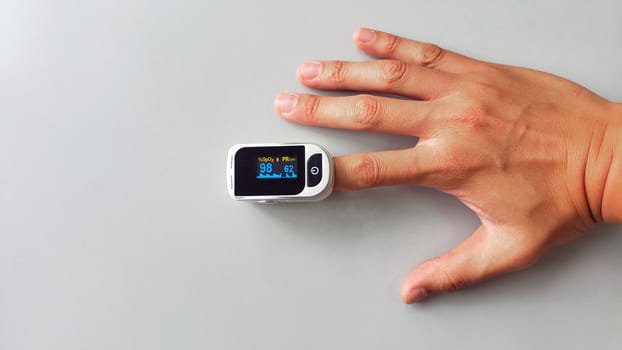
People often expect a neat chain: “respiratory events cause oxygen drops, so ODI rises, SpO2 falls, and respiratory rate changes.” In reality, the relationship is more complex.
Consider the physiology:
- Oxygen saturation reflects gas exchange outcome: SpO2 is influenced by ventilation, diffusion, circulation, hemoglobin properties, and baseline oxygenation.
- Oxygen desaturation events can be intermittent: A person may have breathing disturbances that do not produce measurable SpO2 drops every time.
- Respiratory rate estimation may lag or be indirect: Wearable respiratory rate may reflect breathing pattern changes imperfectly, especially if the algorithm is trained on different populations or signal conditions.
So you might see:
- Elevated ODI-like events with minimal respiratory rate change: Oxygen desaturations can occur during events that don’t strongly alter the wearable’s respiratory-rate signal.
- Lower SpO2 without ODI-like peaks: If desaturation is gradual or within the wearable’s event-detection threshold, ODI-like metrics may not trigger.
- Respiratory rate fluctuations without oxygen drops: Breathing can become irregular or faster without reaching a level that causes significant SpO2 change.
Practical guidance: Interpret these metrics as complementary signals, not a single confirmation loop. Look for consistency across multiple nights and across metrics, but remember that measurement methods differ.
Common interpretation myths that lead to unnecessary alarm
“A single low SpO2 reading means I’m hypoxic.”
Short dips can occur from motion artifact, temporary poor contact, or normal physiological variability. A cluster of sustained low values is more concerning than one isolated reading. If you see repeated low readings, especially with symptoms, seek clinical guidance.
“ODI-like numbers directly indicate severity of sleep apnea.”
Even if the metric correlates with sleep-disordered breathing, the wearable definition and detection method may not match clinical ODI. Severity grading typically requires validated sleep testing with standardized scoring.
“Respiratory rate spikes mean an emergency.”
Respiratory rate estimates can jump due to talking, posture changes, sensor slippage, or algorithmic recalibration. A spike without corroborating symptoms or sustained pattern is less likely to reflect true acute respiratory compromise.
When wearable signals should prompt clinical evaluation
Myth-busting isn’t only about what wearables can’t do—it’s also about knowing when the data is enough to justify professional assessment.
Consider evaluation if you observe any of the following patterns:
- Repeated significant oxygen desaturation events across multiple nights, especially if the device shows consistent signal quality.
- Persistently low average overnight SpO2 or frequent sustained drops.
- Symptoms consistent with sleep-disordered breathing: loud snoring, witnessed apneas, choking/gasping awakenings, morning headaches, excessive daytime sleepiness.
- Symptoms consistent with respiratory compromise: shortness of breath, worsening exercise tolerance, chest tightness, cyanosis, or confusion.
- Concerning patterns during illness: if respiratory symptoms worsen and wearable oxygen metrics deteriorate alongside symptoms.
If symptoms are severe—such as marked shortness of breath, chest pain, blue lips, or confusion—urgent medical care is appropriate regardless of wearable data.
Practical steps to improve wearable respiratory data quality
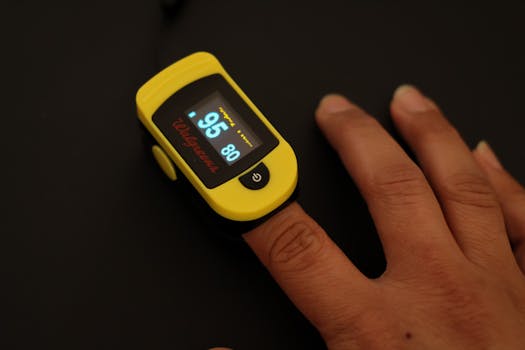
Accuracy is not only about the device; it’s also about measurement conditions. A few practical adjustments can reduce artifacts and make trends more trustworthy.
Get consistent sensor fit and placement
Wear the device snugly enough to maintain stable contact, but not so tight that it causes discomfort. Use the same placement each night. If the device indicates poor signal quality, adjust and recheck.
Control motion during sleep
Many respiratory-related estimates degrade when the wrist shifts. If the device supports it, ensure the strap is secure before sleep. Consider minimizing arm movement if possible (for example, avoiding sleeping with the device under a pillow that increases motion).
Warm up before recording if you run cold
Cold hands reduce perfusion and can degrade SpO2 signal quality. If you notice poor readings on cold nights, warming the hands and ensuring good contact may improve consistency.
Use the same routine when comparing nights
Alcohol, sedatives, late meals, and changes in sleep schedule can alter breathing patterns and oxygenation. For trend analysis, compare nights with broadly similar conditions.
Review signal quality flags
Many devices provide indicators related to signal reliability. If you ignore those flags, you may interpret artifacts as physiology. If quality is poor, rely less on that night’s metrics.
How to interpret trends responsibly (without overfitting)
Wearables are often used like “lab instruments,” but they are better understood as “pattern detectors.” The key is to avoid overfitting your health conclusions to a small number of data points.
Try this approach:
- Look for multi-night patterns: A single night may be dominated by artifact or a one-off physiological change.
- Pair metrics with context: illness, allergies, alcohol, altitude travel, and sleep position can shift readings.
- Track symptoms alongside data: morning headaches, daytime sleepiness, exertional shortness of breath, or nasal congestion can help interpret whether changes are meaningful.
- Consider confirmatory testing when thresholds are crossed: if a pattern suggests sleep-disordered breathing or hypoxemia, clinical evaluation is more reliable than continued self-monitoring.
This is also where relevant products can appear naturally in discussion. Many consumer wearables—such as Apple Watch with its oxygen saturation features where available, Garmin devices that estimate sleep-related metrics, and Fitbit models that report oxygen saturation trends—can provide useful longitudinal context. However, none of these should be treated as equivalent to a clinical sleep study or bedside respiratory monitor. Their value is in noticing trends that warrant further investigation.
Myth: More data points automatically mean better accuracy
It’s tempting to assume that because wearables generate frequent readings, they must be capturing respiratory physiology accurately. In reality, frequent sampling does not guarantee correctness. Accuracy depends on sensor physics, artifact handling, and algorithm design.
Some devices intentionally smooth data to reduce jitter, which improves visual stability but can reduce responsiveness to rapid true changes. Others may update respiratory-rate estimates less reliably during motion or low-signal periods.
Practical guidance: Prefer metrics that include signal-quality context, and interpret respiratory rate as a directional indicator rather than an exact count.
Prevention and monitoring guidance: reducing risk without chasing every fluctuation
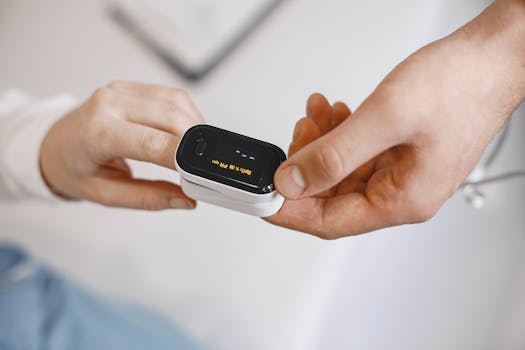
If your goal is to reduce respiratory risk—especially during sleep—there are evidence-based steps that don’t rely on perfect sensor accuracy.
- Address sleep-disordered breathing risk factors: weight management when appropriate, avoiding alcohol close to bedtime, and treating nasal congestion.
- Sleep position strategies: some people experience fewer events when sleeping on their side, though this should be evaluated clinically if symptoms persist.
- Maintain overall respiratory health: manage asthma/COPD as directed, follow vaccination guidance, and seek care for persistent cough or worsening respiratory symptoms.
- Use wearables to guide follow-up, not to diagnose: if the pattern suggests oxygen desaturation or breathing instability, clinical testing can confirm what the wearable can only estimate.
In other words, the most useful way to use wearable respiratory biomarkers ODI SpO2 respiratory rate accuracy-related outputs is to let them trigger questions, not to let them provide final answers.
Summary: what you can trust from ODI, SpO2, and respiratory rate
Wearable respiratory biomarkers can be valuable for noticing trends, but they are not interchangeable with clinical measurements. ODI-like metrics may use different definitions and event-detection rules than clinical ODI. SpO2 readings depend heavily on sensor fit, motion, and perfusion quality. Respiratory rate estimates are often indirect and more reliable for directional trends than for precise respiratory counts.
To interpret results responsibly:
- Focus on consistent multi-night trends rather than isolated spikes.
- Use signal quality flags to judge whether a segment is trustworthy.
- Pair data with symptoms and context (sleep schedule, illness, alcohol, congestion).
- Seek clinical confirmation when patterns suggest sleep-disordered breathing or hypoxemia.
By separating what wearables estimate from what clinical testing confirms, you can reduce both missed concerns and unnecessary alarm—turning respiratory data into a helpful, safety-oriented monitoring tool.
15.12.2025. 22:05