

Fasting and Cortisol Morning Hunger: Breaking the Glucose Loop

Why morning hunger can spike during fasting

Many people start fasting expecting their appetite to calm down quickly. Yet some experience a different pattern: intense morning hunger, irritability, and a sense of stress that seems to peak around the same time each day. If you then eat, you may notice a cycle—blood sugar rises, energy dips later, and hunger returns. This is where the idea of a “fasting and cortisol morning hunger stress glucose loop” comes from.
The key myth to bust is that fasting automatically “causes” hunger or that cortisol is always a villain. Cortisol is a normal hormone that helps you wake up, mobilize energy, and maintain blood glucose for the brain. During fasting, cortisol rhythms can interact with glucose regulation and stress signaling in a way that feels like a loop. Understanding the physiology helps you break the pattern without guessing or abandoning fasting.
Myth: Cortisol always means your fasting is “failing”
Cortisol follows a natural circadian rhythm. In the early morning, it typically rises to support wakefulness and provide fuel—especially glucose—for the brain and other energy-demanding tissues. That morning cortisol surge can increase signals associated with hunger, including cravings and a feeling of “needing something.”
So cortisol during fasting is not automatically a sign of poor metabolic health. It’s often an expected response to timing: if your fasting window overlaps with your normal wake-up cortisol rise, appetite may feel louder.
What matters is the overall pattern of glucose stability, stress load, sleep quality, and how your body responds over days and weeks. A temporary morning hunger spike can occur even in people who adapt well to time-restricted eating.
What cortisol actually does in the morning (and why hunger can follow)

Cortisol supports several processes that influence hunger and energy:
- Glucose availability: Cortisol promotes gluconeogenesis (making glucose) and helps maintain blood sugar during the fasting period, particularly overnight.
- Wake-up signaling: The morning rise in cortisol is part of the body’s “turn on” system. That can increase alertness but also amplify appetite cues.
- Stress perception: Cortisol is linked to stress physiology. When the body interprets the situation as demanding—sleep loss, intense training, or chronic stress—appetite and cravings may intensify.
In other words, cortisol can increase the drive to eat while still doing a beneficial job for energy supply. The problem arises when cortisol and glucose regulation are thrown off by stress, poor sleep, or overly aggressive fasting timing.
How the “glucose loop” forms during fasting and why it feels like stress
The loop people describe usually looks like this:
- Morning fasting overlaps with cortisol rise → hunger signals increase.
- Glucose dips or becomes unstable → the body responds with stronger counter-regulatory hormones (including cortisol and sometimes adrenaline).
- Stress and cravings intensify → you may feel “wired but tired,” irritable, or focused on quick energy.
- If you eat, especially refined carbs or large portions → blood glucose can rise quickly, followed by a later dip.
- That dip can trigger further hunger → the cycle repeats.
This isn’t magic; it’s a predictable interaction between circadian hormones, glucose dynamics, and feeding choices. The “stress” part is often partly hormonal (cortisol/adrenaline) and partly behavioral (sleep, caffeine, training intensity, and meal timing).
Common triggers that intensify morning hunger during fasting
If your morning hunger feels extreme, several factors commonly amplify the cortisol–hunger connection:
- Short sleep or irregular sleep schedule: Sleep loss increases appetite hormones and can worsen glucose control.
- High morning caffeine, especially on an empty stomach: Caffeine can increase stress signaling and worsen perceived hunger for some people.
- Late-night meals with high sugar or refined carbs: They can shift glucose patterns and affect how you feel in the morning.
- Very early fasting start: If your eating window ends late and you extend fasting too far into the morning, you may be stacking fasting stress on top of normal circadian demands.
- Under-eating overall: Chronic calorie deficit can increase hunger and stress physiology.
- Intense morning workouts or high stress: Exercise and stress raise energy demands and can increase counter-regulatory hormones.
None of these mean fasting is inherently incompatible with your goals. They mean the timing and context may be pushing your body into a stronger “fuel-seeking” state.
How to distinguish normal adaptation from a problematic loop

Not every spike is a sign of a broken system. Look at trends and specifics:
- Normal adaptation: Hunger is noticeable but gradually improves over 1–3 weeks, and you feel calmer once your meal timing stabilizes.
- Potential loop: Hunger is severe, accompanied by jitteriness, headaches, or a strong urge for sweets; energy crashes later; and the pattern repeats daily with little improvement.
- Red flags: Dizziness, faintness, confusion, or symptoms that are severe enough to impair daily functioning. In such cases, it’s important to reassess fasting strategy and consider medical guidance, especially if you have diabetes or take glucose-lowering medication.
If the pattern is persistent, the goal is not to “white-knuckle” through. It’s to adjust inputs that drive glucose volatility and stress signaling.
Practical ways to break the fasting–cortisol–hunger–glucose cycle
You can usually reduce morning hunger intensity by changing timing, meal composition, and stress load. The most effective adjustments are specific and measurable.
1) Shift your fasting window instead of extending it
If morning hunger is the issue, consider moving the start of fasting later or moving the end of fasting earlier. For example, if you currently stop eating in the early evening and extend the fast deep into the morning, you may reduce the cortisol overlap by shortening that overlap.
A common approach is to keep fasting consistent day-to-day while aligning the fasting window so the peak cortisol rise is less likely to coincide with your highest hunger sensitivity.
2) Use a steadier breakfast or first meal structure when needed
Breaking the loop often depends on how your first meal after fasting is built. If you eat after a hunger surge, the temptation is quick carbs. Instead, aim for a meal that supports steadier glucose:
- Include protein: Protein slows gastric emptying and supports satiety.
- Add fiber-rich carbohydrates: Choose vegetables, legumes, or whole-food sources rather than refined sugar.
- Include healthy fats in reasonable amounts: Fats can blunt the speed of glucose absorption for some people.
This doesn’t require complex tracking. It’s about reducing the “fast spike, fast dip” pattern that sustains hunger.
3) Consider the timing of your last meal
If your last meal is too close to bedtime or heavy in rapidly absorbed carbs, morning hunger can intensify. A helpful adjustment is to eat your last meal with enough time before sleep for digestion to settle—without making your eating window so short that you create a new stressor.
Many people do better when their final meal includes protein and fiber rather than relying on sweets or refined grains.
4) Manage caffeine as a stress signal
Caffeine can increase alertness, but it can also raise perceived stress and amplify hunger signals for some people. If morning hunger is a problem, try:
- Reducing caffeine dose
- Delaying caffeine until later in the morning
- Using caffeine only after some hydration and light food cues (if appropriate for your fasting plan)
Hydration matters too. Dehydration can feel like hunger and worsen stress physiology.
5) Add low-intensity movement during the fast
Light activity—walking, gentle mobility, or easy cycling—can improve glucose utilization and reduce the sense of “stuck energy.” It also lowers stress reactivity for many people compared with high-intensity training in a fasted state.
If you train hard in the morning while fasting, consider moving that workout later, reducing intensity, or ensuring your meal timing supports recovery.
6) Use electrolytes if your fasting makes you feel “off”
While electrolytes don’t directly control cortisol, they can reduce fatigue and the physical discomfort that contributes to perceived stress. If your fasting routine includes significant sweating or you tend to feel weak, consider whether adequate sodium and other electrolytes are part of your plan.
Some people use electrolyte powders or tablets during fasting. If you do, keep it simple: avoid formulas with added sugar and choose options that fit your dietary needs.
What to do if you’re using glucose-lowering medication
If you have diabetes or take medications that affect blood glucose (such as insulin or sulfonylureas), fasting can raise the risk of hypoglycemia. The “loop” concept may not apply the same way, because medication changes the safety profile.
In these situations, it’s important to talk with a clinician about timing, dosing, and monitoring. The goal is not to push through hunger, but to prevent dangerous glucose swings.
Helpful prevention guidance for long-term success
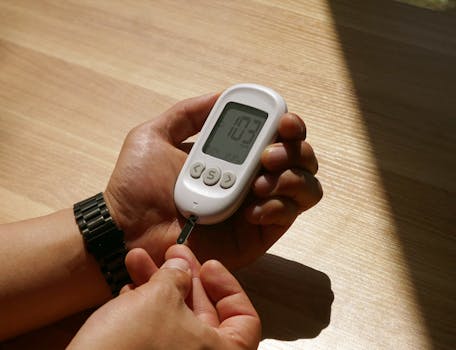
The best way to prevent a fasting and cortisol morning hunger stress glucose loop is to treat fasting as a system rather than a rule. Focus on consistency, sleep quality, and meal composition.
- Prioritize sleep: Aim for consistent bed and wake times. Sleep loss can amplify cortisol and hunger.
- Keep fasting windows consistent: Large changes can disrupt circadian rhythms and glucose patterns.
- Build meals that reduce glucose volatility: Protein, fiber, and minimally processed carbs are foundational.
- Reduce stress load: Breathwork, walking, and lowering late-day intensity can reduce stress-driven appetite.
- Track the pattern, not just the sensation: Note whether the hunger improves over weeks or escalates daily.
When morning hunger is loud, it doesn’t automatically mean fasting is wrong. It often means the timing overlaps with your natural cortisol rise and your glucose regulation is being stressed by sleep, caffeine, or meal composition. Adjusting those inputs can help your body settle into a more stable rhythm.
Summary: Cortisol isn’t the enemy—timing and glucose stability are
Morning hunger during fasting is commonly tied to a normal cortisol surge, but it can feel like a loop when glucose regulation becomes unstable and stress signals amplify cravings. The myth is that cortisol proves fasting is harmful. The reality is that fasting can be compatible with your physiology when your fasting window, meal structure, sleep, and stress load are aligned.
If you’re experiencing persistent morning hunger, start with practical changes: adjust the fasting window to reduce overlap with peak hunger sensitivity, structure your first meal with protein and fiber, manage caffeine, and support glucose stability through consistent eating habits. This approach helps you break the fasting–hunger–stress–glucose cycle without resorting to guesswork.
23.01.2026. 07:51