

Scalp-Friendly Hair Care Routine: Shampoo Frequency Guide

Set the goal: a scalp-friendly routine that matches your scalp
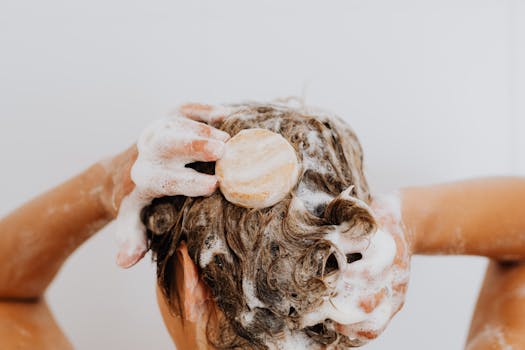
A comfortable scalp is the foundation of healthy hair. The right washing rhythm helps control oil buildup, reduce irritation, and keep the scalp barrier functioning well. The goal of this guide is to help you choose and follow a scalp-friendly hair care routine shampoo frequency—without over-washing or letting buildup accumulate.
Because every scalp behaves differently, the best frequency is the one that leaves your scalp feeling clean (not tight, itchy, or dry) within your normal day-to-day routine.
Prepare your setup: what you need before you change frequency
Before adjusting shampoo frequency, gather a few basics so you can wash consistently and evaluate results.
- A gentle shampoo that you tolerate well on your scalp (look for low-irritant formulations and avoid harsh stripping blends if you’re prone to dryness or sensitivity).
- A scalp-focused conditioner strategy: conditioner should generally stay off the scalp and focus on mid-lengths and ends.
- A soft wash routine: fingertips for massage, not nails.
- A timer (optional but helpful) to keep shampoo contact time consistent—about 1–3 minutes is usually enough.
- Warm water rather than hot, which can increase dryness and itch.
- A simple tracking note: jot down how your scalp feels 12–24 hours after washing (oiliness, itch, tightness, flakes).
If you currently use styling products, note what they are and how often you apply them, because residue can change how quickly you need to cleanse.
Choose your starting shampoo frequency (then fine-tune it)
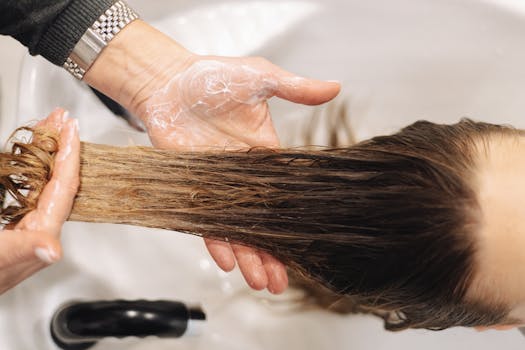
Start with a frequency that’s realistic for your lifestyle, then adjust based on scalp feedback. Use the steps below to build a routine you can maintain.
1) Start where your scalp is today
If you’re washing daily now, begin by keeping that rhythm steady for a week while you improve technique and product placement. If you wash less often, keep that baseline for several washes before changing frequency.
This prevents you from changing too many variables at once.
2) Run a 2-week scalp feedback check
For 14 days, keep your shampoo frequency the same and track:
- Day 1 after washing: Does your scalp feel comfortable, or tight/itchy?
- Day 2–3 (depending on your frequency): Do you notice oiliness, odor, or flakes?
- Any irritation: redness, burning, or increased flaking after washing.
Use the notes to decide whether you need to cleanse more often, cleanse less often, or adjust how you cleanse.
3) Apply the “comfort window” rule to set frequency
Your scalp should remain comfortable between washes. Choose a frequency that keeps you in that comfort window.
- If your scalp becomes itchy or tight quickly, you may be washing too often or using a too-stripping method. Reduce frequency slightly and focus on gentle massage and warm water.
- If your scalp becomes oily, heavy, or smelly within 24–36 hours, you likely need more frequent cleansing or better residue removal.
- If you see flakes or buildup, evaluate whether the shampoo is appropriate for your scalp type and whether you’re rinsing thoroughly.
As a practical starting point for many people with a sensitive or balanced scalp, shampooing every 2–3 days works for many routines. If you sweat heavily, wear hats, or use heavy styling products, you may need more frequent cleansing to avoid buildup.
4) Adjust in small steps, not big jumps
Change your frequency by one day at a time (or by about 24 hours). For example:
- From every 3 days to every 2 days, or from every 2 days to every 3 days.
- Give the scalp at least 1 week at the new frequency before deciding it’s “wrong.”
Oil regulation and scalp barrier comfort typically stabilize as your routine becomes consistent.
5) Use a consistent shampoo technique every wash
Frequency matters, but technique strongly influences scalp comfort. Follow these steps each time you wash.
- Pre-rinse thoroughly with warm water to remove surface oils and product residue.
- Apply shampoo to the scalp (not just the hair). Use enough to create a light lather across the scalp.
- Massage with fingertips for about 30–60 seconds, focusing on the part lines and areas that get oily first.
- Let shampoo sit briefly for 1–3 minutes if your scalp tolerates it. This helps cleansing agents work without needing harsh scrubbing.
- Rinse until water runs clear. Inadequate rinsing can leave residue that makes the scalp feel greasy sooner.
- Condition strategically: apply conditioner from mid-lengths to ends only. Avoid the scalp unless your product is specifically designed for it.
- Rinse conditioner well to prevent product buildup at the hairline.
6) Match frequency to your activity and sweat level
Adjust your routine based on real-world factors:
- If you exercise and sweat, consider washing after workouts if sweat triggers itch, odor, or flakes.
- If you sweat lightly, you can sometimes keep the same frequency but focus on thorough rinsing and scalp cleansing technique.
- If you wear protective styles, you may need more frequent cleansing to prevent buildup, while still using gentle methods.
Common mistakes that disrupt scalp comfort
Even with the right shampoo frequency, these errors can cause irritation, oiliness, or flakes.
- Over-scrubbing with nails: This can inflame the scalp and worsen itch or sensitivity.
- Using too much conditioner at the roots: Product can migrate to the scalp and accelerate greasiness.
- Skipping full rinses: Leftover residue can make the scalp feel dirty within a day.
- Changing frequency and products at the same time: It becomes hard to identify what helped or hurt.
- Washing with very hot water: Heat can increase dryness and scalp tightness.
- Extending time between washes without adjusting technique: If you’re going longer, you may need a more thorough rinse and gentler scalp massage, not stronger scrubbing.
Additional practical tips to optimize your scalp-friendly routine
Use these strategies to support your chosen scalp-friendly hair care routine shampoo frequency and improve results over time.
Use a rinse-first approach when you need to stretch days
If you’re trying to wash less frequently, you can still keep your scalp comfortable. A thorough warm-water pre-rinse can remove surface oils and sweat so your shampoo doesn’t have to work as hard.
Consider how styling products affect cleansing needs
Pomades, heavy leave-ins, and scalp-adjacent oils can create buildup. If you use them, you may need your shampoo frequency to stay closer to the “comfort window” rather than pushing too long between washes.
When you wash, focus shampoo at the scalp and rinse thoroughly at the hairline where product tends to collect.
Keep hairline and part areas in mind
Many people notice oiliness or flakes first at the hairline, crown, or part. Spend a little extra massage time there during shampooing. This can sometimes reduce the need to increase frequency.
Watch for signs you need to change shampoo type, not just frequency
If you consistently experience burning, persistent redness, or worsening flakes after washing, the issue may be product sensitivity. In that case, adjust your shampoo formulation rather than repeatedly changing frequency.
For example, if you have visible flakes or scalp scale, a scalp-targeted cleansing approach may be more effective than simply washing more often.
Dry your scalp gently
After washing, remove excess water by blotting with a towel or using a soft microfiber cloth. If you blow-dry, use moderate heat and keep airflow moving rather than concentrating heat on one area.
Leaving the scalp damp for long periods can worsen comfort for some people, especially if you’re prone to flakes.
Re-evaluate after routine changes like weather or hormones
Oil production and scalp comfort can shift with seasonal changes, stress, and hormonal cycles. If you notice a new pattern—like itch or oiliness arriving earlier than usual—adjust frequency by one day and keep technique consistent.
Build your final routine with a simple weekly pattern
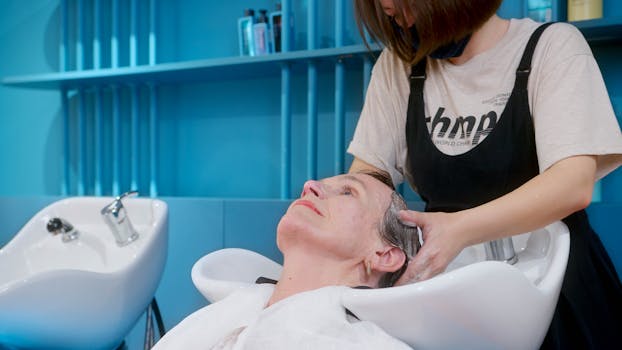
Once you find your comfort window, lock in a repeatable schedule. For many scalps, this becomes something like:
- Every 2 days if your scalp gets oily quickly or you sweat often.
- Every 3 days if your scalp stays comfortable longer and you use lighter styling.
- Every other day with gentle technique if you’re transitioning from daily washing and want to reduce irritation.
The key is consistency: shampoo frequency plus gentle scalp handling plus thorough rinsing. When those elements align, most people can maintain scalp comfort without constant trial and error.
Next steps if your scalp doesn’t improve
If you’ve adjusted frequency and technique for a few weeks and still have significant itching, burning, or persistent flaking, consider that the underlying cause may be more than routine-related. In that situation, it’s reasonable to seek professional guidance from a dermatologist or qualified healthcare provider to address conditions that a routine change can’t resolve.
31.01.2026. 12:21