

Niacinamide vs Retinoids vs Vitamin C for Dark Spots: What Works Best

How these three treatments tackle dark spots
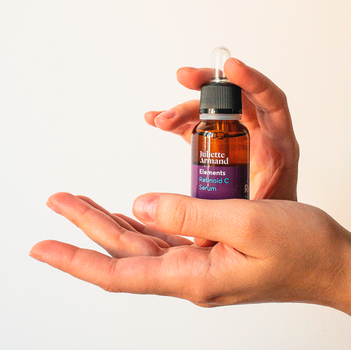
Dark spots—often called hyperpigmentation—can come from sun exposure, acne marks, irritation, or a mix of genetics and inflammation. The key thing to know is that “dark spots” aren’t one single process. Melanin production, melanin transfer to skin cells, uneven skin turnover, and ongoing inflammation all play a role.
That’s why niacinamide, retinoids, and vitamin C are popular: they each influence pigmentation through different pathways.
Niacinamide (vitamin B3) helps reduce the signals that drive excess melanin and supports the skin barrier, which can limit irritation-triggered pigment. It’s often a good fit if you want gradual, lower-risk brightening.
Retinoids (like retinol, retinal, or prescription tretinoin) increase cell turnover and can reduce pigment by speeding up exfoliation and normalizing skin behavior. They tend to be more powerful for texture and acne-related marks, but they’re also more likely to cause dryness or irritation early on.
Vitamin C (most commonly L-ascorbic acid or stabilized derivatives) works as an antioxidant and can directly interfere with melanin formation. It’s also useful for protecting against new pigment from oxidative stress.
In practice, the “best” choice depends on what type of dark spots you have, how sensitive your skin is, and how quickly you want results.
Quick summary: the strongest overall option for most people
If you’re choosing one approach to target dark spots and also improve overall skin texture, retinoids are often the strongest overall option. With consistent use, they address uneven turnover and can fade acne marks and sun-related discoloration more noticeably over time.
That said, if your skin is easily irritated, or you’re dealing with mild pigmentation and want a steadier, lower-sting option, niacinamide usually provides the most forgiving daily baseline. For people who prioritize antioxidant protection and want visible brightening while also defending against new spots, vitamin C can be the most “protective” choice, especially when paired with sunscreen.
Side-by-side: niacinamide vs retinoids vs vitamin C for dark spots
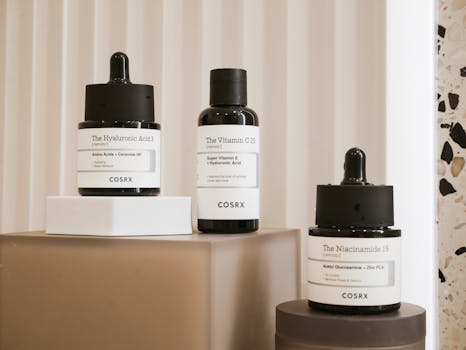
The table below compares how each ingredient works, what you can realistically expect, and common limitations. Timelines vary by spot depth, sun exposure, and how consistently you use the product.
| Ingredient | Main pigmentation mechanism | Typical strength in fading dark spots | Common timeframe to notice change | Skin feel & irritation risk | Best for | Key limitations |
|---|---|---|---|---|---|---|
| Niacinamide | Reduces melanin transfer signals; supports barrier; lowers inflammation | Moderate (steady) | 6–12 weeks; clearer by 3–4 months | Low to moderate; usually well-tolerated | Post-acne marks, mild sun spots, sensitive skin, barrier support | May be less dramatic for deep or stubborn pigmentation alone |
| Retinoids | Increases cell turnover; helps normalize skin; can reduce pigment during renewal | High (often most noticeable over time) | 8–12 weeks for early improvement; 4–6+ months for major fading | Moderate to high early on; dryness/peeling possible | Acne-related marks, textural unevenness, long-term resurfacing | Requires patience; may worsen irritation if introduced too fast |
| Vitamin C | Antioxidant; helps reduce melanin formation; can brighten by reducing oxidative stress | Moderate (can be brightening) | 4–8 weeks for some glow; 8–12 weeks for spot improvement | Low to moderate; depends on formulation (L-ascorbic acid can sting) | Oxidative-stress prevention, uneven tone, early discoloration | Often needs consistent use and the right vitamin C form; may not fully fade deep marks alone |
Real-world performance: what you’ll likely see on your skin
In real life, the “performance difference” usually comes down to how your skin handles irritation and how often you’re exposed to the triggers that keep pigment active.
Here’s a practical scenario that mirrors what many people experience:
Scenario: You have post-acne dark spots on your cheeks from breakouts that happened 6 months ago. You’re diligent with sunscreen most days, but not every day. Your skin is combination and slightly sensitive.
- Niacinamide: You may notice spots looking less obvious after about 6–12 weeks. The overall tone looks more even, and new marks are less likely to appear after irritation. You might still need something stronger for stubborn spots, but the risk of a “bad reaction” is relatively low.
- Retinoids: You may see gradual fading alongside improved texture. Early on, you might experience dryness or mild peeling in weeks 1–4. If you stick with a slower ramp-up (for example, 2–3 nights per week initially), the payoff can be more substantial by months 4–6.
- Vitamin C: You might get a brighter look sooner—often within 4–8 weeks—especially if your vitamin C formulation is stable and you apply it consistently. However, if your spots are deeper post-inflammatory marks, vitamin C alone may not fully erase them without additional support from turnover or barrier-focused ingredients.
Another real-world difference: new spots. If you’re still getting sun exposure or ongoing inflammation, vitamin C and niacinamide can help reduce the signals that lead to new pigment. Retinoids help with turnover, but they don’t replace sun protection. In all cases, sunscreen remains the main “stop the clock” step for dark spots.
Niacinamide for dark spots: strengths and trade-offs
Niacinamide is often the most comfortable entry point because it tends to support the skin barrier while reducing pathways that contribute to discoloration. It’s also a practical choice when your skin is reactive to stronger actives.
What it tends to do well
- Calms irritation that can keep pigmentation active—useful for post-acne marks.
- Supports barrier function, which can improve how your skin tolerates other treatments later.
- Gradual brightening and more even tone without the same level of early peeling that retinoids can cause.
Where it may fall short
- Stubborn or deep pigment may require longer timelines or additional ingredients. If your spots are very entrenched, niacinamide may look “helpful but not fully transformative” on its own.
- Results depend on formulation and consistency; weak concentrations or inconsistent use can blunt impact.
Pros
- Low irritation risk for many people
- Good for sensitive or compromised barrier
- Often helps reduce the chance of post-breakout marks worsening
Cons
- Usually slower and less dramatic than retinoids for significant fading
- May not fully address texture changes or acne prevention on its own
Retinoids for dark spots: strengths and trade-offs
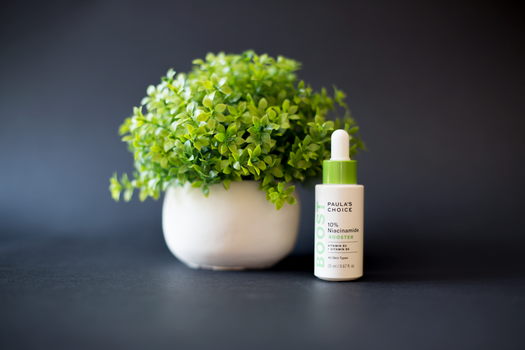
Retinoids are built for long-term skin renewal. They can fade pigmentation while also improving acne, pores, fine lines, and uneven texture. For many people, that broader effect is why retinoids often “win” when dark spots are linked to acne and uneven turnover.
What it tends to do well
- Improves cell turnover, helping pigment lift as new skin forms.
- Targets acne dynamics that cause post-inflammatory hyperpigmentation in the first place.
- Long-term remodeling that can make older marks look less noticeable over months.
Where it may fall short
- Initial irritation can temporarily make pigmentation look worse if your skin becomes inflamed.
- Requires patience. If you stop after 4–6 weeks because you don’t see dramatic fading, you may miss the slower payoff.
Pros
- Often the most effective single ingredient for fading acne-related marks over time
- Improves texture and prevents future breakouts (for many users)
- Strong evidence base for skin renewal
Cons
- Higher chance of dryness, peeling, or redness early on
- Not ideal for everyone during very sensitive periods (for example, right after aggressive exfoliation)
- Results take months, not weeks
Vitamin C for dark spots: strengths and trade-offs
Vitamin C is best understood as both a brightening agent and an antioxidant defense. When your dark spots are partly driven by sun and oxidative stress, vitamin C can help reduce the ongoing forces that keep pigment active.
What it tends to do well
- Brightening and glow can appear earlier than with retinoids.
- Antioxidant protection may help limit new discoloration from daily environmental exposure.
- Pairs well with other actives because it supports overall tone and can be gentler than many alternatives.
Where it may fall short
- Formulation matters a lot. L-ascorbic acid (often around 10–20%) is potent but can be irritating; stabilized derivatives may be gentler but sometimes less noticeable depending on the product.
- Deep marks may need additional turnover support (often retinoids) to fully fade.
Pros
- Can improve uneven tone relatively quickly
- Supports protection against pigment triggers
- Often effective for early-stage discoloration
Cons
- Can sting, especially with higher-strength L-ascorbic acid or sensitive skin
- May not fully erase stubborn spots alone
- Stability can affect performance if the product is not well-formulated or is stored poorly
Best use-case recommendations for different buyers
Below are practical recommendations based on your starting point. These aren’t medical directives—think of them as evidence-informed “fit” scenarios.
If you want the most reliable long-term fading for acne marks and texture
Choose a retinoid as your foundation. If your dark spots come from acne and you also want smoother texture, retinoids are typically the most efficient route. Start slowly to reduce irritation, and build consistency over time.
Real-world example: You begin using a retinoid twice weekly for 2 weeks, then increase to every other night once your skin feels stable. You pair it with a barrier-friendly moisturizer. By month 3–4, you notice fewer new marks and older spots look flatter and less pigmented.
If your skin is sensitive, you’re prone to irritation, or marks are mild
Choose niacinamide as your day-to-day anchor. It’s often easier to tolerate and can help prevent irritation-driven pigment. This is especially relevant if you’ve tried stronger brighteners before and your skin got red, dry, or reactive.
You may still consider adding a stronger active later if your spots aren’t shifting after 3–4 months, but niacinamide is a strong starting point.
If you want antioxidant protection plus visible brightening
Choose vitamin C for daytime brightening and defense. If your dark spots worsen with sun exposure or you live in a high-UV or high-pollution area, vitamin C can support a more consistent tone. It’s also a good option if you want something that feels more “immediate” than retinoid turnover.
If you’re aiming for maximal fading, vitamin C often works best as part of a broader routine that also addresses turnover (commonly retinoids) and barrier support (often niacinamide).
If you want the fastest improvement overall
In many routines, the “fastest” visible changes come from vitamin C (early brightening) and retinoids (progressive fading) rather than niacinamide alone. Niacinamide is still valuable, but it usually supports a steadier, less volatile process.
That said, speed without tolerance can backfire. If you push too hard and your skin gets inflamed, dark spots can look worse temporarily due to post-inflammatory pigmentation.
Final verdict: which ingredient suits your needs?

Here’s the most practical way to decide based on what you’re trying to fix.
- Pick retinoids if: your dark spots are linked to acne or uneven turnover, and you want the strongest fading potential over months. Expect a slower start and plan for a ramp-up to minimize irritation.
- Pick niacinamide if: your priority is a low-irritation approach that supports the barrier and gradually reduces post-inflammatory discoloration. It’s especially suitable if your skin is reactive to stronger actives.
- Pick vitamin C if: you want brightening plus antioxidant defense against ongoing pigment triggers, and you want some visible improvement relatively early. It’s often most effective when used consistently during the day.
If you’re deciding between them as standalone choices, retinoids are usually the strongest overall for dark spots that need real pigment reduction over time. If you’re deciding based on tolerance and steady progress, niacinamide often wins on comfort. If your goal includes protecting against new discoloration while boosting tone, vitamin C is frequently the most strategic.
In many cases, the best outcomes come from matching the ingredient to your skin’s needs and your timeline—rather than forcing one approach to do everything at once.
24.05.2026. 18:47