

Bleeding Gums Troubleshooting: Find the Cause and Stop It Safely

What bleeding gums look like (and what to notice first)
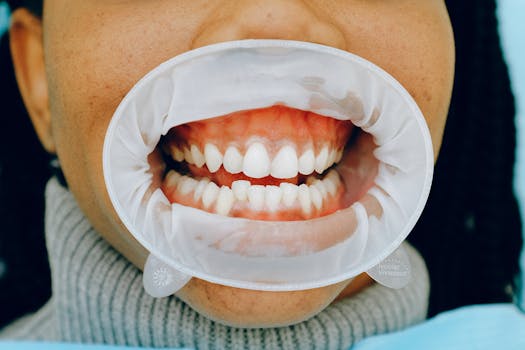
Bleeding gums rarely happen “for no reason.” When you notice blood while brushing, flossing, or even after chewing, your mouth is signaling irritation, inflammation, or—less commonly—something that needs medical attention. Your goal in bleeding gums troubleshooting is to narrow down the cause based on timing, location, and triggers.
Start by observing a few specifics. These details help you choose the right next steps instead of guessing.
- When does bleeding happen? Only during brushing/flossing, or also spontaneously (for example, when you wake up or without touching the gums)?
- How long has it been going on? A few days after a change in routine is different from persistent bleeding for 2+ weeks.
- Where is it happening? One spot near a tooth, along the whole gumline, or around certain teeth only.
- Do you have other symptoms? Swelling, tenderness, bad breath, gum “puffiness,” loose teeth, mouth ulcers, or a bad taste.
- What’s your brushing technique? Hard brushing, electric brush settings too high, or using a worn toothbrush can worsen bleeding.
Real-world scenario: You start flossing more consistently and begin seeing blood for the first 5–7 days. The bleeding may be from inflamed gums responding to improved cleaning. But if the bleeding continues beyond 2 weeks, spreads, or comes with swelling and persistent bad breath, you’ll need to troubleshoot further.
Use a simple timeline. If bleeding is improving week to week, your approach is likely working. If it’s unchanged or worsening, move to the next troubleshooting step.
Most likely causes behind bleeding gums
Bleeding gums troubleshooting starts with the most common explanations. Many cases are driven by plaque and gum inflammation, but there are several other causes you should consider.
Gingivitis from plaque buildup (most common)
Gingivitis is gum inflammation caused by plaque biofilm. It often shows up as bleeding during brushing or flossing, especially along the gumline. Gums may look redder than usual, feel slightly tender, or appear puffy.
Even if you brush twice daily, plaque can accumulate if you:
- Don’t reach the gumline consistently
- Skip flossing or use it too gently/irregularly
- Use a toothbrush with worn bristles (usually replace every 3 months)
- Brush with excessive force
Periodontitis (more advanced gum disease)
Periodontitis is the progression of gum disease beyond gingivitis. It can cause bleeding plus:
- Persistent bleeding that doesn’t settle after improved cleaning
- Gum recession or pockets between teeth and gums
- Loose teeth or changes in how your teeth fit together
- Bad breath that doesn’t improve with routine care
Periodontitis often requires professional cleaning and ongoing maintenance. Home care helps, but it usually can’t remove deep buildup.
Trauma from technique or hard objects
Sometimes bleeding happens because the gums are physically irritated. Common triggers include:
- Brushing too hard or using a toothbrush with stiff bristles
- Flossing aggressively (cutting into the gum)
- Using toothpicks or brushing after eating something sharp/crunchy repeatedly
- New dental work that rubs the gum
Hormonal changes
Pregnancy, puberty, and menstrual cycle changes can increase gum sensitivity and bleeding. This doesn’t mean you should ignore it—good plaque control is even more important during these times.
Medications and blood-related factors
Certain medications can increase bleeding tendency or affect gum tissue. Examples include blood thinners and some anti-seizure medications. If you’re on anticoagulants, bleeding gums troubleshooting should be handled with extra caution because bleeding may be more difficult to control.
Bleeding gums can also occur with vitamin deficiencies (such as vitamin C) or blood disorders. These are less common, but persistent bleeding warrants evaluation.
Smoking or vaping
Tobacco use can impair healing and worsen gum disease. You may see bleeding with less obvious inflammation, or healing may be slower than expected.
Infections, ulcers, and inflammatory conditions
Some causes aren’t plaque-related. Viral infections, mouth ulcers, and inflammatory conditions can irritate gums and lead to bleeding. If you see widespread sores or painful lesions, focus on comfort and seek professional guidance if it doesn’t improve in 7–10 days.
Step-by-step bleeding gums troubleshooting you can do at home
Work through these steps in order. Don’t jump to advanced measures before basic technique and cleaning are addressed. Most bleeding gums improve when plaque control and irritation are corrected.
Step 1: Confirm the bleeding pattern and document it for 7 days
For one week, note when bleeding occurs and how much. You can describe it as “spots” on the brush/floss, “drips,” or “blood that appears even without touching.”
Also check for redness, swelling, and bad breath. If the bleeding is heavy or you have other symptoms like fever, stop and seek urgent medical/dental evaluation.
Step 2: Switch to gentler technique immediately
For 7–14 days, use a soft-bristled toothbrush. If you use an electric brush, set it to a low or sensitive setting. Brush for 2 minutes, twice daily, using small circular motions right at the gumline. Let the bristles do the work—avoid scrubbing.
Practical example: If you press hard because you feel “cleaner,” back off. Many people can reduce bleeding within a week simply by reducing force and focusing on the gumline with soft pressure.
Step 3: Adjust flossing or interdental cleaning without cutting the gums
Flossing is important, but technique matters. If you’re cutting into the gum, you’ll extend irritation. Try one of these approaches:
- Floss: Slide gently along the side of each tooth, then curve slightly under the gumline and move up/down against the tooth surface—do not snap the floss.
- Interdental brushes: If there’s space between teeth, these can clean more comfortably than floss. Choose a size that fits with light resistance, not one that forces.
- Water flosser: Use a moderate setting and aim at the gumline gently. It can help, but it doesn’t replace brushing and interdental access.
If bleeding increases during the first few days of improved cleaning, that can happen with inflamed gums. The key is direction: bleeding should trend down after you’ve maintained gentle technique consistently.
Step 4: Rinse correctly to calm irritation
Use a saltwater rinse for short-term soothing. Mix 1/2 teaspoon of salt in 8 ounces (about 240 mL) of warm water. Swish gently for 30 seconds, then spit. Do this 1–2 times per day for up to a week.
If you use an alcohol-containing mouthwash, consider pausing it temporarily if your gums feel raw. Alcohol can sting inflamed tissue for some people.
For antiseptic rinses, follow the label instructions exactly. If you have sensitivity or burning, discontinue and reassess.
Step 5: Remove local irritants
Check for obvious triggers:
- Food debris stuck near one area
- A rough edge on a tooth or filling
- A crown or retainer rubbing the gum
- Braces wires or bands poking tissue
If you suspect hardware irritation, don’t try to “grind” anything at home. A dentist can smooth or adjust the source quickly.
Step 6: Evaluate your timeline and response
After 7–14 days of consistent gentle brushing and careful interdental cleaning, bleeding should be less frequent and lighter. If it’s unchanged, worsening, or only improves briefly then returns, move to more advanced fixes.
Simplest fixes first: what to try and how long to test
This section focuses on low-risk changes you can implement right away. Treat these as experiments with a defined timeframe. If you don’t see improvement, you’ll know to escalate.
Replace worn tools and reduce friction
Replace your toothbrush if it’s been more than about 3 months or if the bristles are splayed. Use a soft brush. If you use an electric brush, ensure the head is not worn and use a lower setting.
Many people overlook this. A stiff or worn brush can keep gums bleeding even with good intent.
Stop “extra-hard” brushing and aggressive flossing
For two weeks, avoid:
- Brushing with force
- Scrubbing back and forth at the gumline
- Snapping floss between teeth
If your gums bleed, your technique is currently too abrasive or your inflammation is deeper than routine care can resolve.
Use a toothpaste that supports gum care (and watch for irritation)
Many people tolerate fluoride toothpaste well. If you suspect sensitivity, consider a toothpaste formulated for sensitive gums or reduced irritation. If you notice burning or increased soreness after switching toothpaste, revert to a simpler formula and focus on technique.
Don’t overuse multiple specialty products at once. One change at a time makes it easier to interpret results.
Improve consistency rather than intensity
Bleeding gums troubleshooting often comes down to consistency. Aim for 2 minutes of brushing twice daily and daily interdental cleaning. Skipping a week of flossing can reignite bleeding, especially if you’re prone to gingivitis.
If your schedule is tight, keep interdental cleaning short and repeatable rather than perfect but inconsistent.
More advanced fixes: when basic care isn’t enough
If you follow gentle, consistent home care for 14 days and bleeding persists, you may have calculus buildup (tartar) or periodontitis that can’t be fully managed at home.
Use a targeted antiseptic rinse for a short, defined period
Some antiseptic mouthwashes can help reduce gum inflammation. If you choose to use one, follow label directions and don’t extend beyond the recommended timeframe. Overuse can cause irritation or other side effects in some people.
Use it as a temporary support while your brushing and interdental care remain gentle and consistent.
Consider professional cleaning for plaque and tartar removal
At-home measures remove soft plaque, but tartar (hardened plaque) requires professional scaling. If bleeding continues despite good technique, tartar buildup along the gumline may be maintaining inflammation.
Professional cleaning can also reveal pockets or areas that need deeper treatment.
Reassess specific areas that bleed more than others
If one tooth or a small cluster bleeds more, local factors are likely:
- Overhanging filling or crown edge
- Cracks or rough surfaces
- Food impaction pattern
- Orthodontic irritation
In these cases, improving general brushing won’t fully solve the issue until the local irritant is corrected.
Check for mouth dryness and irritation
Dry mouth can make gums more vulnerable. If you’re on medications that reduce saliva, or you frequently breathe through your mouth at night, you may need to address dryness. Hydration and saliva-support strategies can reduce irritation, though they won’t replace cleaning.
When replacement, adjustment, or professional help is necessary
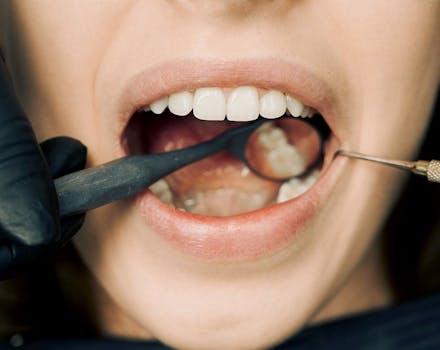
Bleeding gums troubleshooting isn’t only about home care. There are clear thresholds where you should escalate.
Seek professional dental cleaning if bleeding persists beyond 2 weeks
If bleeding doesn’t clearly improve after 14 days of gentle technique and consistent interdental cleaning, schedule a dental exam. This is especially important if you also notice:
- Swollen or shiny-looking gums
- Persistent bad breath
- Gum recession or teeth looking longer
- Bleeding that returns quickly after you stop improving your routine
Get urgent evaluation if bleeding is heavy or accompanied by other red flags
Contact urgent dental or medical services if you experience any of the following:
- Bleeding that won’t stop after gentle pressure for a reasonable period
- Spontaneous bleeding without brushing or flossing
- Fever, severe pain, facial swelling, or pus
- Rapid tooth mobility or significant bite changes
- Bleeding elsewhere (nosebleeds, blood in urine or stool) or you suspect a blood disorder
If you take anticoagulants or antiplatelet medications, don’t wait for a routine timeline. Ask your clinician what approach is safest for gum bleeding.
Consider hardware adjustment if you suspect trauma
If braces, retainers, or dental work are involved, bleeding may continue until something is adjusted. If you notice a specific spot that bleeds every time you touch it, that’s a strong clue.
A dentist or orthodontist can smooth sharp edges or reposition components. Home attempts to modify hardware can worsen injury.
Replacement of tools and routines: when it applies
Replace your toothbrush head or brush type if you can’t maintain gentle pressure comfortably. If you’re using interdental brushes, replace them when bristles wear out or deform.
Also reconsider your routine if you keep reverting to hard brushing. Sometimes the fix is behavioral: switching from a stiff brush to a soft brush and lowering electric brush settings makes it easier to keep pressure in a safe range.
Professional periodontal assessment if you suspect periodontitis
If bleeding is persistent plus you notice gum recession, loose teeth, or pockets, you may need periodontal evaluation. Home care can reduce inflammation, but it can’t reverse deep gum pocketing without professional treatment.
Putting it together: a practical troubleshooting pathway
Here’s a clear way to run your own bleeding gums troubleshooting without getting stuck:
- Day 1–3: Switch to soft brushing, gentle technique, confirm where bleeding occurs, and start saltwater rinses 1–2 times daily.
- Day 4–14: Maintain consistent interdental cleaning with careful flossing or interdental brushes. Avoid hard pressure. Track whether bleeding is trending down.
- By day 14: If bleeding is clearly improving, continue the routine and reassess in another 1–2 weeks. If bleeding is unchanged or worsening, schedule a professional cleaning and exam.
- Any time: If you have heavy spontaneous bleeding, swelling, fever, pus, or other bleeding symptoms, seek urgent evaluation.
This approach prevents two common mistakes: waiting too long when professional care is needed, and overreacting with harsh cleaning that keeps gums traumatized.
How to prevent bleeding from coming back
Once bleeding improves, prevention is mostly about keeping inflammation low and avoiding re-irritation.
- Keep interdental cleaning daily. Even if bleeding stops, plaque can reaccumulate quickly.
- Maintain gentle pressure. If your gums bleed, assume your technique is still too aggressive or the inflammation is not fully resolved.
- Replace tools on schedule. Toothbrush heads typically need replacement around every 3 months.
- Address local irritants. Rough edges, overhanging restorations, and orthodontic poking can reignite bleeding.
- Watch risk factors. Smoking, uncontrolled diabetes, and medication-related dryness can make gums more vulnerable.
Bleeding gums troubleshooting works best when you treat it like an investigation. You’re not just trying to stop blood today—you’re trying to remove the reason your gums are inflamed.
19.01.2026. 18:47