

Oral Microbiome and Systemic Inflammation: What You Need to Know

Why your mouth can affect more than your teeth
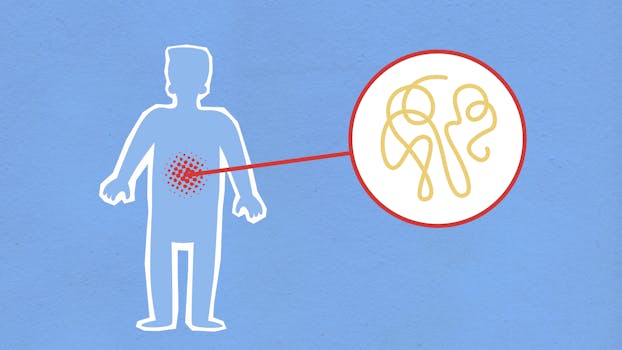
Your mouth is not just a place where you chew and speak. It’s a living ecosystem packed with bacteria, fungi, and viruses that form the oral microbiome. Under healthy conditions, these microbes help maintain a balanced environment. But when the balance shifts—often due to gum disease, poor oral hygiene, smoking, or uncontrolled blood sugar—the same microbial community can contribute to systemic inflammation.
Systemic inflammation is not a single disease. It’s a pattern of immune activation that can influence the risk and progression of conditions such as cardiovascular disease, diabetes complications, and adverse pregnancy outcomes. The connection between mouth and body is now supported by a growing body of research showing how oral microbes and their byproducts can travel beyond the oral cavity and shape inflammatory signaling throughout the body.
In this guide, you’ll learn what the oral microbiome is doing day to day, how it can influence systemic inflammation, and what practical actions can help reduce inflammatory burden—without needing complicated interventions.
The oral microbiome: a dynamic ecosystem, not a single germ
When people hear “oral bacteria,” they often imagine one villain. In reality, your oral microbiome is a highly diverse community. Different niches—such as the tongue surface, gumline, tooth surfaces (biofilm), and saliva—host different microbial populations.
Several features define a healthy oral microbiome:
- Balance (homeostasis) between beneficial and potentially harmful organisms
- Stable biofilm on teeth and tissues that doesn’t aggressively inflame the gums
- Intact barriers, including healthy gum tissue and a functional mucosal immune response
- Appropriate immune regulation so inflammatory responses remain controlled
When these features are disrupted, the microbiome can shift toward a more inflammatory profile. For example, in periodontal disease, certain bacterial groups increase and produce more inflammatory molecules and enzymes that damage tissue.
How oral microbes can drive systemic inflammation

The link between the oral microbiome and systemic inflammation is best understood as a set of interconnected pathways. No single mechanism explains everything. Instead, multiple processes can work together.
1) Inflammation at the gumline that doesn’t stay local
Gum inflammation is a key starting point. In gingivitis and periodontitis, the immune system is constantly reacting to dysbiotic biofilm at the gingival margin. That local inflammatory environment produces cytokines and other mediators that can enter circulation.
Even before advanced tissue destruction, inflamed gums can create a “leak” of inflammatory signals. Over time, chronic immune activation can contribute to systemic inflammatory tone.
2) Bacterial byproducts and endotoxins entering circulation
Some oral bacteria and their components can cross tissue barriers—especially when gum tissue is inflamed or ulcerated. This can occur during everyday activities such as brushing, flossing, chewing, or even spontaneously when biofilm is actively inflaming the gums.
One well-studied example is bacterial endotoxin (lipopolysaccharide, or LPS). LPS can stimulate immune cells through receptors like Toll-like receptors, promoting production of pro-inflammatory cytokines. When this immune signaling is repeated over weeks and months, it can contribute to systemic inflammation.
Real-world scenario: Imagine you have bleeding gums for several months. During routine brushing, you repeatedly trigger small episodes of inflammation and micro-bleeding. Each episode may be brief, but the pattern can keep your immune system in a heightened state—especially if the underlying dysbiosis is not addressed.
3) Immune cross-talk between oral and systemic tissues
Your immune system doesn’t compartmentalize perfectly. Inflammatory mediators generated in the mouth can influence immune cells elsewhere in the body. For example, chronic periodontal inflammation can affect monocyte and neutrophil behavior, which are central to inflammatory responses.
In some individuals, this immune cross-talk may amplify systemic markers such as C-reactive protein (CRP). CRP is not specific to oral health, but it’s often used as a general marker of inflammation. Elevated CRP has been observed in people with more severe periodontal disease in many studies.
4) Microbial metabolites and signaling molecules
The oral microbiome produces metabolites—breakdown products—that can influence local pH and tissue responses. Under dysbiotic conditions, the balance of metabolites can shift toward compounds that promote inflammation, oxidative stress, and tissue breakdown.
While the exact metabolite profiles vary between people, the principle is consistent: when microbial metabolism changes, the inflammatory environment can change too.
What the research suggests about health outcomes
It’s important to interpret the evidence carefully. Association does not automatically mean causation, and not every person with gum disease will develop systemic disease. However, the relationship between oral dysbiosis and systemic inflammation is biologically plausible and supported by epidemiologic findings and mechanistic studies.
Cardiovascular health
Periodontal disease has been linked with higher risk of cardiovascular events in multiple studies. One reason may be systemic inflammatory signaling. Another is that inflammatory conditions can affect vascular function over time.
In practical terms, chronic gum inflammation can contribute to a pro-inflammatory state that may interact with other risk factors such as hypertension, smoking, and diabetes.
Diabetes and metabolic inflammation
Diabetes is a two-way relationship. Gum inflammation can worsen glycemic control, and high blood sugar can make oral tissues more vulnerable and support dysbiosis. Inflammation is a common pathway in both directions.
When blood glucose is uncontrolled, immune function and tissue healing may be impaired, which can intensify periodontal inflammation. That inflammatory burden can then further affect insulin sensitivity.
Pregnancy outcomes
During pregnancy, immune changes and hormonal shifts can increase susceptibility to gum inflammation. Periodontal inflammation has been studied in relation to outcomes such as preterm birth and low birth weight. While pregnancy outcomes are multifactorial, systemic inflammation is one potential connecting thread.
When oral microbiome shifts: common triggers you can recognize
Not everyone develops the same oral microbiome. But certain patterns repeatedly show up as contributors to dysbiosis and inflammatory escalation.
- Poor plaque control that allows biofilm to mature along the gumline
- Smoking, which changes immune responses and microbial composition
- Dry mouth (reduced saliva), which reduces natural buffering and antimicrobial activity
- Frequent sugar exposure, which can shift the ecosystem toward acidogenic species
- Uncontrolled diabetes, which can worsen gum inflammation
- Stress and sleep disruption, which can influence immune regulation
Some people assume that “no pain” means “no inflammation.” That’s not always true. Gingivitis can be painless, yet still drive inflammatory signaling.
How to assess risk in everyday life
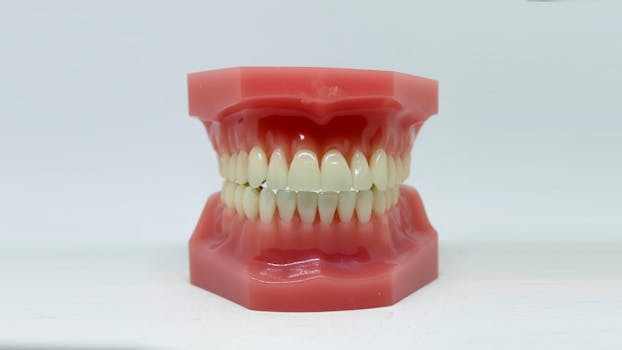
You can’t directly measure your oral microbiome at home in a way that’s clinically actionable. But you can watch for signs that dysbiosis and inflammation are likely present.
Practical indicators to pay attention to
- Bleeding when brushing or flossing (especially if it happens more than occasionally)
- Persistent bad breath that doesn’t improve with routine cleaning
- Red, swollen, or tender gums
- Gum recession or changes in how teeth fit together
- Loose teeth or shifting teeth (more concerning)
If you notice bleeding that persists beyond about 1–2 weeks despite consistent cleaning, it’s a strong signal to seek dental evaluation. The goal is not to “wait it out,” because chronic inflammation can become self-sustaining.
What actually helps: reducing inflammatory burden through daily habits
Think of your daily oral care as shaping the biofilm environment. When you disrupt plaque accumulation and reduce gum inflammation, you create conditions that favor a healthier microbial balance.
1) Mechanical plaque control at the gumline
Brushing alone often isn’t enough for gum health. Biofilm tends to accumulate where toothbrush bristles can’t fully reach. That’s why interdental cleaning matters.
For many people, flossing is effective, but it’s technique-sensitive. If flossing is difficult, interdental brushes may be easier to use consistently. The key is regular removal of plaque along the margins.
Practical example: If you currently brush twice daily but skip flossing, you may reduce plaque on tooth surfaces yet still leave biofilm at the gumline. Adding interdental cleaning can meaningfully change gum inflammation within weeks.
2) Consistency over intensity
It’s tempting to “go harder” with brushing. Over-brushing can irritate tissues. Instead, aim for consistent, gentle mechanical control. Most inflammatory improvements from better plaque control become noticeable within 2–4 weeks, though full stabilization can take longer.
In many cases, you’ll see less bleeding and less gum tenderness first—before major changes in deeper tissue occur.
3) Targeted antimicrobial strategies when appropriate
Some people benefit from short-term antimicrobial approaches during active inflammation. For example, chlorhexidine mouthwash is sometimes used for limited periods in clinical or guided settings because it can reduce bacterial load. However, it’s not intended as a permanent daily solution for long spans without professional guidance.
In everyday routines, daily fluoride toothpaste supports enamel health and may reduce caries-related shifts in microbiome composition. For gum inflammation specifically, mechanical plaque removal remains foundational.
If you’re using mouthwash, check whether it’s designed for everyday use or short-term use, and follow instructions. If you have gum disease, your dental professional can guide timing and duration based on your risk profile.
4) Support saliva and hydration
Saliva helps buffer acids, supports microbial balance, and contains antimicrobial components. If you have dry mouth—whether from medications, mouth breathing, or other factors—your oral microbiome can shift toward a more inflammatory or caries-prone environment.
Practical steps include staying hydrated, addressing nasal breathing, and discussing dry-mouth causes with a clinician. In some cases, saliva substitutes or stimulants may be appropriate, but the best approach depends on the cause.
5) Control systemic factors that amplify inflammation
Oral health and systemic inflammation interact. If you have diabetes, maintaining blood glucose within your target range can reduce gum inflammation risk. If you smoke, stopping is one of the most impactful changes you can make for both oral and systemic inflammatory pathways.
Sleep and stress management also matter. Immune regulation is influenced by chronic stress and insufficient sleep, which can affect how your body responds to oral inflammation.
What dental care contributes beyond home routines
Home care can reduce plaque and inflammation, but it can’t fully remove hardened deposits (calculus) below the gumline. Professional evaluation helps determine whether inflammation is limited to gingivitis or has progressed toward periodontitis.
Why periodontal assessment matters
Periodontitis involves deeper tissue structures. Treatment may include scaling and root planing, and in some cases additional periodontal therapies. The reason this matters for systemic inflammation is simple: reducing bacterial burden and inflammation in periodontal pockets can lower the inflammatory signals produced in the mouth.
Even if you feel fine, gum pockets can persist. A periodontal exam can provide objective measures like pocket depth and bleeding on probing.
How long it takes to see changes
After periodontal treatment, many people notice reduced bleeding and improved gum appearance over a period of weeks. Long-term success depends on maintaining plaque control and attending maintenance visits. Periodontal inflammation is not always a one-time fix.
Common misconceptions that can keep inflammation going
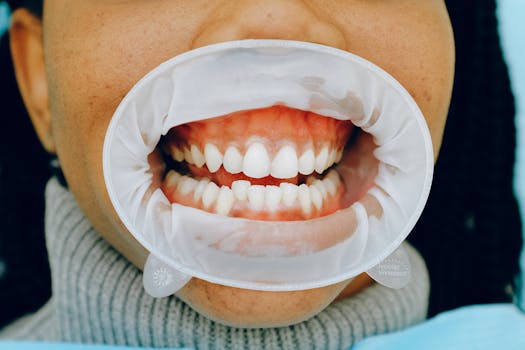
- “If my breath is okay, my gums are fine.” Bad breath can come from multiple sources, and gum inflammation can exist without obvious odor.
- “Bleeding means I’m brushing too hard.” Bleeding often reflects inflammation. If bleeding persists, the priority is evaluation and improved plaque control.
- “Only people with tooth pain get gum disease.” Many forms of gum disease are painless early on.
- “Mouthwash alone can replace brushing and flossing.” Mouthwash can support, but it doesn’t remove plaque from the gumline as effectively as mechanical cleaning.
Prevention guidance you can use right now
If your goal is to reduce the contribution of oral dysbiosis to systemic inflammation, focus on the controllable drivers. Start with the basics and build from there.
- Brush twice daily with fluoride toothpaste, spending time along the gumline.
- Clean between teeth daily using floss or interdental brushes—whichever you can do consistently.
- Watch bleeding. If it persists beyond 1–2 weeks, book a dental exam.
- Don’t ignore dry mouth. Address hydration and discuss medication-related dryness with a clinician.
- Manage systemic risks like blood sugar and smoking, because they amplify inflammatory pathways.
- Get periodontal assessments if you have risk factors or symptoms. Early intervention can prevent deeper inflammation.
One helpful way to think about it: you’re not trying to “sterilize” your mouth. You’re aiming to support a stable, less inflammatory microbial community and a gum environment that doesn’t continuously activate your immune system.
Summary: oral microbiome and systemic inflammation are connected
The oral microbiome and systemic inflammation influence each other through several pathways: local gum inflammation, immune signaling that extends beyond the mouth, microbial byproducts that can enter circulation, and metabolic changes within biofilm. While oral health is not the only determinant of systemic disease risk, chronic periodontal inflammation can add a meaningful inflammatory load.
If you want practical leverage, focus on consistent plaque control at the gumline, daily interdental cleaning, and prompt dental evaluation when you notice bleeding or other warning signs. Over time, these steps can help shift your oral environment away from dysbiosis and reduce the inflammatory signals that may affect your overall health.
26.01.2026. 22:58