

Best Supplements for Mitochondrial Health: CoQ10, NAD, Creatine, Glycine

How these supplements support mitochondrial energy—what’s actually different
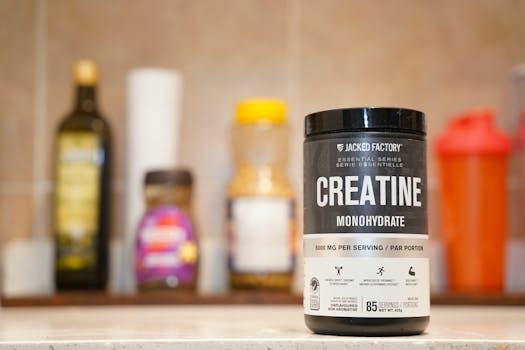
When you look at mitochondrial health, you’re really looking at a few specific jobs inside your cells: making ATP (energy), managing oxidative stress, and keeping the “power plants” responsive to training and daily metabolic demands. Different supplements help with different bottlenecks.
CoQ10 (ubiquinone/ubiquinol) sits close to the electron transport chain and helps energy production and antioxidant defense. NAD (usually as NR or NMN) supports the cell’s redox balance and fuels repair and metabolism pathways through NAD-dependent enzymes. Creatine supports rapid ATP buffering—especially helpful when you train hard or your muscles need energy quickly. Glycine plays a structural and signaling role (including as a precursor for glutathione-related pathways) and can influence stress resilience and sleep quality, which indirectly affects mitochondrial function.
This article compares the four most common “mitochondrial-friendly” supplements—CoQ10, NAD, creatine, and glycine—so you can pick based on your goals, timeline, and tolerance. You’ll see where each one tends to shine, what to expect in real-world use, and who should prioritize which option first.
Quick summary: the strongest overall choice depends on your main goal
If you want one supplement to prioritize for general mitochondrial support and antioxidant defense, CoQ10 is often the most consistent all-around starter. It’s directly tied to mitochondrial electron transport and shows benefits across energy and oxidative stress markers.
If your priority is metabolic “fuel switching,” cellular stress resistance, and long-term support, NAD is frequently the most compelling option—especially for people who feel “older” biologically, recover slowly, or want to support NAD-dependent pathways.
If you train for strength, sprinting, or high-intensity work, creatine can outperform the others in terms of practical performance and muscle energy availability. And if you struggle with sleep quality, stress load, or recovery consistency, glycine can be a strong supportive add-on that helps the system run smoother.
Side-by-side comparison: CoQ10 vs NAD vs creatine vs glycine

Below is a practical, side-by-side view focused on mechanism, what you’re likely to feel, typical dosing ranges, and where the tradeoffs show up.
| Supplement | Primary mitochondrial-related role | Typical forms | Common dose range (daily) | Timeframe for noticeable effects | Best “fit” | Main limitations / watch-outs |
|---|---|---|---|---|---|---|
| CoQ10 (ubiquinone/ubiquinol) | Supports electron transport and antioxidant activity at the mitochondrial level | Ubiquinone or ubiquinol | 100–300 mg (often with food) | 2–6 weeks for energy/stress-related changes | General mitochondrial support, oxidative stress balance, energy quality | May not boost high-intensity performance as directly as creatine; can interact with some medications |
| NAD (NR/NMN) | Boosts NAD availability for redox balance and NAD-dependent enzymes | NR (nicotinamide riboside), NMN (nicotinamide mononucleotide) | 100–500 mg NR or 250–500 mg NMN (varies widely by product) | 2–8 weeks; some people notice earlier | Metabolic resilience, recovery support, “cellular energy” and stress adaptation | Can cause flushing or mild GI upset in some; cost per month can be higher |
| Creatine (monohydrate) | ATP buffering system in muscle and high-energy tissues | Creatine monohydrate (most studied) | 3–5 g | 2–4 weeks for muscle saturation; performance can start earlier | Training performance, strength, sprint power, recovery between sets | Not a direct mitochondrial antioxidant; may cause water retention |
| Glycine | Supports stress resilience and cellular protection pathways; can improve sleep quality | Glycine (often 1,000–3,000 mg) | 1–3 g (commonly 30–60 minutes before bed) | Sleep-related effects in days; downstream recovery may take 1–3 weeks | Sleep quality, stress load reduction, recovery consistency | Less direct “mitochondrial” marketing; benefits are often indirect |
Real-world performance differences: what you’ll notice first
Supplements don’t all “feel” the same. Mitochondrial health is a longer game, but the first noticeable changes usually come from the most immediate bottleneck each supplement targets.
Scenario 1: You train 3–4 days/week and want better gym output
If you’re doing resistance training and you want more reps, better sprint bursts, or shorter rest periods, creatine is often the fastest path to tangible performance. With 3–5 g/day, many people feel a difference in training volume within 2–4 weeks as muscle creatine stores saturate.
CoQ10 can still help energy quality and oxidative stress balance, but it’s usually less “rep-per-set obvious” than creatine. If you’re choosing one primary option for performance, creatine tends to win.
Scenario 2: You feel low energy, “brain fog,” or fatigue after stress
If your fatigue seems tied to stress overload, poor recovery, or metabolic strain, NAD often becomes the more targeted choice. Many people report improvements in perceived energy, mental clarity, and recovery within 2–8 weeks, though responses vary.
CoQ10 is a strong alternative or co-support, especially if your fatigue also tracks with oxidative stress (for example: frequent intense training, high caffeine use, or poor sleep). CoQ10 may feel steadier; NAD can feel more “revving” for some.
Scenario 3: Your sleep is inconsistent and recovery is the limiting factor
If you’re sleeping 5–6 hours, waking up often, or your stress keeps you “switched on,” glycine is frequently the most practical lever. A common approach is 1–3 g about 30–60 minutes before bed. You may notice sleep onset improvements within days, and recovery improvements within 1–3 weeks.
Glycine doesn’t replace CoQ10 or NAD for mitochondrial electron transport or NAD-dependent pathways. But by improving sleep quality, it can indirectly improve mitochondrial function because your body spends more time doing repair work.
Scenario 4: You want a “mitochondrial foundation” with antioxidant support
If you want a supplement that aligns closely with mitochondrial electron transport and antioxidant defense, CoQ10 is usually the cleanest fit. Many people use 100–300 mg/day with food for 4–6 weeks to evaluate changes in energy and oxidative stress resilience.
In this scenario, NAD can be added later if you want more “cellular metabolism tuning,” while creatine and glycine remain goal-dependent add-ons.
Pros and cons breakdown for each option
CoQ10: strongest mitochondrial electron transport support, usually steady
Pros
- Direct relevance: CoQ10 is part of the mitochondrial electron transport chain support system.
- Antioxidant role: helps protect lipids and mitochondrial components from oxidative damage.
- Often well-tolerated: many people handle it comfortably at 100–300 mg/day.
- Good “starter” logic: if you’re building a mitochondrial routine, CoQ10 is a common first pillar.
Cons
- Slower, subtler feel: you’re more likely to notice steadier energy than explosive performance.
- Form matters: ubiquinol can be preferable for some people, but products vary.
- Medication interactions: if you take blood pressure meds, anticoagulants, or other prescription therapies, you should check compatibility with your clinician.
NAD: best for cellular metabolism signaling and stress resilience
Pros
- Core pathway support: boosts NAD availability used by NAD-dependent enzymes (including pathways linked to energy metabolism and repair).
- Often noticeable by weeks: many people report improvements in energy perception and recovery within 2–8 weeks.
- Good for “metabolic aging” goals: if you’re targeting cellular resilience, NAD is a common choice.
Cons
- Response variability: some people feel stronger benefits; others notice little.
- Potential side effects: mild GI upset or flushing can occur depending on dose and form.
- Cost: NAD boosters can be expensive, and effective dosing isn’t always low.
Creatine: best practical performance and muscle energy buffering
Pros
- Performance-first: supports ATP buffering, which translates well to strength, power, and high-intensity work.
- Well-studied: creatine monohydrate has strong evidence across many training outcomes.
- Simple dosing: 3–5 g/day with no complex cycling needed for most people.
- Recovery support: can help training quality over time by reducing the “energy squeeze” between hard efforts.
Cons
- Not a direct mitochondrial antioxidant: it helps energy availability, but it’s not the same as CoQ10’s electron transport role.
- Water retention: some people see scale weight go up (often water), which can be undesirable for certain goals.
- Not a sleep/stress fix: if your main issue is poor recovery from stress and sleep, glycine may be more relevant.
Glycine: best indirect mitochondrial support via sleep and stress resilience
Pros
- Sleep support: many people find glycine helps with sleep quality and next-day recovery.
- Stress resilience: can support protective pathways linked to cellular stress management.
- Low complexity: 1–3 g before bed is easy to run.
- Pairs well: glycine stacks nicely with other mitochondrial-focused supplements because it targets recovery inputs.
Cons
- Indirect effects: you’re unlikely to attribute a “mitochondria boost” directly unless sleep improves.
- Not ideal as a standalone for performance: creatine usually beats it for gym output.
- Dose sensitivity: some people may notice GI discomfort at higher doses.
Best use-case recommendations: who should prioritize what

Use these recommendations based on what you’re trying to improve, not on what sounds most impressive.
If your goal is general mitochondrial health and oxidative stress balance
Prioritize: CoQ10. A common starting point is 100–200 mg/day (or 200–300 mg/day if you tolerate it well), taken with food. Evaluate over 4–6 weeks.
Add-on option: If you also feel metabolically “flat” or recovery is sluggish, consider NAD after you’ve established baseline response to CoQ10.
If your goal is cellular metabolism support and “energy resilience”
Prioritize: NAD (NR or NMN). Many people start around 100–300 mg/day depending on the product and move up if tolerated. Give it 4–8 weeks to judge impact.
Add-on option: Pair with CoQ10 if you also want antioxidant and electron transport support. This pairing targets both “energy signaling” (NAD pathways) and “mitochondrial function mechanics” (CoQ10’s role).
If your goal is strength, sprint power, and training performance
Prioritize: creatine. Use 3–5 g/day consistently. For most people, this alone is the most performance-relevant choice among the four.
Add-on option: If you’re training hard and your recovery is stressed, add CoQ10 for oxidative stress support and glycine for sleep quality.
If your goal is better sleep and recovery consistency
Prioritize: glycine. Try 1–3 g about 30–60 minutes before bed. If you notice improved sleep onset or fewer awakenings, that can be your “upstream” win for mitochondrial health.
Add-on option: If you also want direct mitochondrial support, add CoQ10 in the morning with food.
If you want the most balanced “stack” among these four
A balanced approach usually means one primary pillar plus one recovery or one metabolic enhancer. Here are two common patterns you can adapt:
- Performance-first stack: creatine (3–5 g/day) + CoQ10 (100–200 mg/day) + glycine (1–3 g before bed). NAD is optional if you want extra metabolic signaling.
- Metabolic resilience stack: NAD (100–300 mg/day) + CoQ10 (100–200 mg/day) + glycine at night. Creatine is optional if you train for power or strength.
In both patterns, you’re reducing uncertainty: you’re not trying to “test four variables at once” without knowing what’s driving results.
Clear winners by goal (so you can decide faster)
Because you’re comparing four different mechanisms, “best” depends on what you want most.
- Best overall for general mitochondrial support: CoQ10 (most direct mitochondrial relevance with steady, broadly applicable benefits).
- Best for cellular metabolism signaling and stress resilience: NAD (often the most targeted for metabolic/repair pathways, with variable response and higher cost).
- Best for training performance and ATP buffering: creatine (most practical performance impact; not the same as CoQ10’s mitochondrial antioxidant role).
- Best for sleep-driven recovery support: glycine (indirect mitochondrial support via better recovery inputs).
How to interpret results: what’s “working” vs what’s placebo
Use your outcomes to interpret which mechanism is actually helping you.
If you notice improved training output (more reps, better sprint bursts, better set-to-set performance), that points toward creatine doing its job. If you notice steadier energy and less “oxidative stress feel” after hard weeks, CoQ10 is likely contributing.
If you notice more resilience to stress, improved perceived recovery, or better metabolic “snap,” NAD may be the driver. If you notice faster sleep onset or better next-day recovery even without changing training, glycine is likely the key.
One practical approach: change only one variable at a time for 3–4 weeks. For example, start CoQ10 alone for a month. If you get modest benefits but still feel “flat,” add NAD next. If sleep is the problem, add glycine first and reassess.
Pros and cons recap (quick decision view)

Here’s the short form of what you’re trading off when choosing among the four.
- CoQ10: Best for direct mitochondrial function + antioxidant support; tradeoff is it’s usually not the fastest performance enhancer.
- NAD: Best for cellular metabolism signaling; tradeoff is cost and variable personal response.
- Creatine: Best for measurable training performance; tradeoff is water retention and less direct mitochondrial antioxidant effect.
- Glycine: Best for sleep and recovery consistency; tradeoff is effects are indirect unless sleep improves.
Final verdict: which option suits your needs best
For the keyword you’re targeting—best supplements for mitochondrial health CoQ10 NAD creatine glycine—the most practical answer is: choose based on your bottleneck.
Choose CoQ10 if you want the most direct mitochondrial support with antioxidant relevance and a steady, broadly applicable impact. It’s the best “foundation” option when you’re not sure where your energy problem is coming from.
Choose NAD if your priority is cellular metabolism resilience and you want support for NAD-dependent pathways tied to energy and repair. Give it 4–8 weeks and expect that some people feel stronger benefits than others.
Choose creatine if you care most about training performance and muscle energy buffering. It’s typically the fastest route to noticeable gym improvements within 2–4 weeks.
Choose glycine if your limiting factor is sleep quality and stress recovery. It’s often the most effective way to improve the inputs that allow mitochondria to recover and adapt.
If you want a clear “winner” for most people: CoQ10 is the strongest overall mitochondrial health starter. If you want the clearest performance winner: creatine. If you want the clearest metabolic signaling bet: NAD. And if you want recovery to become more consistent: glycine.
You don’t have to pick forever. Many people get the best results by starting with one primary supplement for 30–60 days, then adding a second based on what you actually felt—energy, training output, sleep, or stress resilience.
07.01.2026. 22:55