

Best Electrolyte Supplement for Training: Buyer Guide (2026)

Why you need the right electrolyte supplement for training

If you train hard, sweat a lot, or you’re clocking long sessions in heat, plain water sometimes isn’t enough. You can feel it fast: cramps, headaches, nausea, heavy fatigue, or that “flat” feeling mid-workout. That’s often your fluid balance and electrolyte levels falling out of range—especially sodium.
The buyer problem is simple: you want something that actually works for your training style (gym, running, cycling, CrossFit, endurance), your sweat rate, and your stomach tolerance. The wrong formula can be too low in sodium, too high in sugar, or not match how long you’re training. The “best electrolyte supplement for training” depends on what you need during the workout—not just what tastes good.
In this guide, you’ll compare the strongest electrolyte options by ingredient strategy and performance, then use a practical selection checklist to choose the right one for your next session.
Quick summary: strongest electrolyte picks by training goal
Here are the recommendations that tend to satisfy the most common training use cases. You can use this as a shortcut, then read the deeper breakdowns to pick the best match for your body and schedule.
- Best overall for most athletes: Sports-focused electrolyte powders with meaningful sodium (typically 300–800 mg per serving) and optional carbs around 5–15 g if you train longer than ~60 minutes.
- Best for endurance sessions (60–180+ minutes): Electrolyte + carbohydrate mixes designed for performance, usually with sodium plus glucose or maltodextrin for better absorption.
- Best sugar-free / low-calorie option: Zero-sugar electrolyte tablets or powders with sodium, potassium, magnesium, and minimal calories.
- Best for heavy sweaters / cramp-prone training: Higher-sodium formulas (often 600–1,000 mg sodium per serving) plus potassium and magnesium.
- Best for short gym sessions: Lower-sodium options or “electrolyte water” styles, because you may not need carbs and very high sodium for 30–60 minutes.
Because you asked for “best electrolyte supplement for training,” the most reliable strategy is to choose a formula that matches your sweat rate and workout duration. If you do that, you’ll usually outperform “random” electrolyte products every time.
How electrolyte supplements help during training (and what matters most)
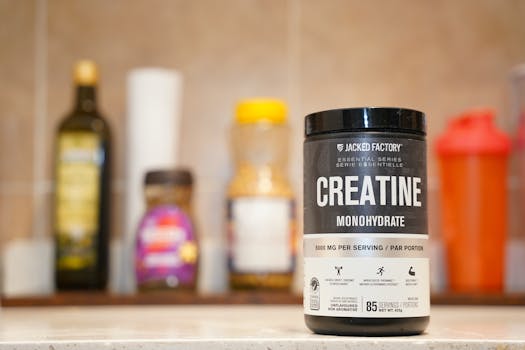
Electrolytes are minerals dissolved in your fluids. They help regulate nerve function, muscle contraction, hydration, and fluid movement across cell membranes. During training, you lose more than water—you lose sodium first, and then smaller amounts of potassium, magnesium, and chloride.
Sodium is usually the headline ingredient. It supports fluid retention and helps you keep drinking and absorbing water effectively. If sodium is too low for your sweat rate, you may still feel dehydrated even if you’re drinking plenty.
Potassium contributes to muscle and nerve function. It’s typically present in smaller amounts than sodium in sports formulas.
Magnesium supports muscle function and energy metabolism. Some people notice less cramping or better recovery, but it’s not a substitute for training load and overall nutrition.
Carbohydrates (optional) can improve endurance performance by fueling working muscles and helping electrolyte absorption. If you train for longer than about 60 minutes, or you’re doing high-intensity intervals, carbs can matter.
Flavor, form, and stomach tolerance matter more than most people expect. If your electrolyte drink makes you nauseous, it won’t matter how “perfect” the label looks.
Detailed breakdown: what to look for in the best electrolyte supplement for training
1) Sodium level that matches your sweat rate
Most electrolyte supplements aren’t equal. A common mistake is buying something with “electrolytes” but not enough sodium for heavy sweating. As a practical target:
- Short or moderate sessions (30–60 minutes): often works with 200–400 mg sodium per serving.
- Long sessions (60–180 minutes): often better with 400–800 mg sodium per serving.
- Heavy sweaters / hot weather / cramp-prone athletes: look for 600–1,000 mg sodium per serving, depending on your tolerance and total intake.
Important: you don’t need to “max out” sodium. Too much can irritate your stomach. The goal is the right range for your body.
2) Potassium and magnesium for muscle support
Look for potassium and magnesium included—not just sodium. Typical effective ranges vary by brand, but you generally want:
- Potassium: often 80–250 mg per serving.
- Magnesium: often 20–100 mg per serving.
If magnesium is extremely low, you may still benefit from hydration and sodium, but you’ll miss out on the full electrolyte profile.
3) Carbs and electrolytes: when you should add sugar (or not)
Carbs can be helpful when you’re training long enough to meaningfully deplete glycogen. Here’s a simple rule of thumb:
- Under 60 minutes: you can usually do fine with zero-sugar or low-carb electrolytes.
- 60–120 minutes: consider electrolytes with 5–15 g carbs per serving.
- 120+ minutes or very intense intervals: consider 15–30+ g carbs per serving if your plan supports it.
If you’re watching calories, sugar-free formulas can work well for shorter sessions, but endurance performance may benefit from some carbs.
4) Form factor: powder vs tablets vs ready-to-drink
You’ll see three main forms in the market:
- Powders: most customizable. You can adjust mix strength to match your needs and taste. Most athletes prefer powders for training.
- Tablets: convenient for travel and gym bags. You can’t always adjust sodium level as precisely, but they’re easy to use.
- Ready-to-drink: no mixing effort. Great for convenience, but often higher cost per serving and less customizable.
For most people, a powder is the best balance of performance and value, especially if you’re dialing in your sweat-rate plan.
5) Osmolality and “how it hits your stomach”
Electrolytes work best when you can drink them comfortably and absorb them. If a formula is too concentrated or too high in sugar relative to your needs, you may feel bloated or nauseous. This is where mixing instructions matter.
Practical tip: start with the label’s recommended mix amount for a few sessions. If you’re sensitive, try slightly more water than directed (for example, add an extra 10–20% water) and see how your stomach responds.
6) Ingredients you should check (and what to avoid)
Not all formulas are created equal. When you compare products, look for:
- Clear labeling for sodium, potassium, magnesium (not vague “electrolyte blend” totals).
- Low unnecessary fillers if you prefer clean labels.
- Sweeteners: some people tolerate stevia or sucralose well; others notice GI discomfort. If you’re sensitive, choose simpler formulas.
- Vitamin overload: most training electrolyte needs don’t require high-dose vitamins. You can get those from your diet.
Feature and performance comparison: electrolyte supplements that fit training
Below is a practical comparison of common electrolyte “styles” you’ll see on shelves. Since brands vary by batch and serving size, treat sodium and carbs as ranges you’ll confirm on the label. This table helps you quickly decide which category is most likely to be the best electrolyte supplement for training for your situation.
| Product style (generic example) | Typical sodium per serving | Carbs per serving | Best for | Pros | Cons |
|---|---|---|---|---|---|
| Electrolyte powder (training-focused) | 300–800 mg | 0–15 g | Gym + endurance mix; most athletes | Balanced hydration; easy to customize mix strength | May need timing adjustments for very long races |
| Electrolyte + carbs endurance mix | 400–1,000 mg | 15–30+ g | Long runs, cycling, multi-hour training | Supports hydration + fueling; often better for performance | Higher calories; not ideal for weight-loss-focused short sessions |
| Zero-sugar electrolyte tablets | 200–600 mg | 0 g | Short sessions; people avoiding sugar | Convenient; low-calorie; easy to pack | May be low sodium for heavy sweaters |
| High-sodium electrolyte powder | 600–1,000 mg | 0–10 g | Cramp-prone athletes; hot climates | Better for high sweat rates; may reduce “washed out” feeling | Can be too salty for some; watch stomach tolerance |
| Ready-to-drink electrolyte beverage | 150–500 mg | 0–20 g | Convenience-first athletes | No mixing; quick intake | Higher cost; often less sodium than powders |
Practical buying considerations: choose the right electrolyte for your workouts
Here’s how to select the best electrolyte supplement for training without guessing.
Step 1: Match sodium to your session length
Start with duration:
- 30–45 minutes: choose a formula with enough sodium to replace sweat loss, but you don’t need the highest possible. Many athletes do well with 200–400 mg sodium per serving.
- 60–90 minutes: look for 400–700 mg sodium per serving, and consider some carbs if intensity is high.
- 90–180+ minutes: prioritize endurance mixes with 400–1,000 mg sodium and 15–30+ g carbs depending on your fueling plan.
Step 2: Decide if you need carbs or you want sugar-free
Ask yourself what you already take during training:
- If you’re already taking gels or sports drink for fuel, you may prefer lower-carb electrolytes to avoid stacking too much sugar.
- If you’re not fueling, an electrolyte + carb option may be the difference between steady energy and a late-session crash.
A practical example: if you run a 10K in the heat and you don’t eat anything, a sports electrolyte drink with ~15–25 g carbs per serving can help you sustain effort. If you’re lifting for 45 minutes and you eat normally before and after, a zero-sugar electrolyte tablet is often enough.
Step 3: Use a simple “mix and test” approach
Don’t buy once and hope. Your goal is to dial in what works for you.
- Try your chosen electrolyte on two separate workouts with similar conditions (same session length, similar sweatiness).
- Track how you feel: thirst level, cramps, headache, nausea, and energy stability.
- If you feel stomach discomfort, reduce concentration (use more water) or switch to a lower-sugar option.
Within 7–14 days, you’ll usually know whether the formula’s sodium and carbs are right for you.
Step 4: Consider dosing frequency
Serving size matters. A product can look “high sodium” but have tiny serving sizes that you won’t realistically take. Check:
- How much sodium per serving
- How many servings you can realistically drink per hour
- Whether the label suggests mixing strength that you can maintain during training
Many athletes do well with a steady intake pattern—small sips throughout rather than chugging after you’re already thirsty.
Step 5: Check for quality signals
For supplements, you’re not just buying ingredients—you’re buying consistency. Look for:
- Transparent nutrition facts (no hidden blends without amounts)
- Reputable manufacturing practices (third-party testing is a plus)
- Reasonable ingredient lists for your goals (no need for huge vitamin doses unless you have a specific reason)
FAQ: best electrolyte supplement for training
How much sodium do I need in an electrolyte supplement for training?
Most athletes aim for roughly 200–400 mg sodium per serving for shorter sessions (30–60 minutes), and 400–800 mg per serving for longer sessions (60–180 minutes). If you’re a heavy sweater or cramp-prone in heat, you may do better with 600–1,000 mg per serving. The best number is the one that matches your sweat rate and doesn’t upset your stomach.
Are zero-sugar electrolytes as effective as ones with carbs?
For hydration, they can be very effective—especially for workouts under ~60 minutes. For performance in longer or high-intensity sessions, carbs can help sustain energy and improve absorption. If you’re already fueling with gels or a sports drink, you may not need carbs in your electrolyte powder.
Can electrolytes prevent cramps?
They can help when cramps are linked to dehydration and sodium loss. However, cramps also come from training load, muscle fatigue, and pacing. Electrolytes are most likely to help when you sweat heavily, train in heat, and notice cramps when you don’t replace sodium.
What’s the best electrolyte form: powder, tablet, or ready-to-drink?
Powders are the most customizable and often the best value. Tablets are convenient and consistent, making them great for travel or gym bags. Ready-to-drink is easiest for people who hate mixing, but it’s often more expensive and less adjustable.
When should you take electrolyte supplements during training?
Start early. For longer sessions, sip consistently rather than waiting until you feel thirsty. A common approach is to begin within the first 10–20 minutes and continue through the workout. If you’re using a product with carbs, you’ll typically want to align intake with your fueling needs for endurance.
How do I know if my electrolyte is too strong?
If you experience bloating, nausea, or a “sloshy” stomach, your mix may be too concentrated (too much sugar or too little water). Try using slightly more water than the label recommends, or switch to a lower-carb formula. If you’re still uncomfortable, choose a different sodium level or form factor.
Do electrolyte supplements replace sports drinks?
Not always. Electrolytes replace minerals lost through sweat. Sports drinks may include carbs for fueling. If your workout is longer than ~60 minutes or very intense, you may need both hydration and carbs—either from a combined electrolyte + carb product or from separate hydration and fueling strategies.
Final recommendation: the best electrolyte supplement for training overall
If you want one “best electrolyte supplement for training” pick that works for the widest range of athletes, choose a training-focused electrolyte powder with:
- Sodium around 400–800 mg per serving
- Potassium and magnesium included (not just a sodium-only formula)
- Optional carbs in the ~5–15 g range (or a version that’s easy to use sugar-free when needed)
- Clear label transparency and easy-to-follow mixing instructions
That category is usually the most flexible: it covers your sweat-rate needs for many gym and endurance sessions, it’s easy to adjust for shorter workouts, and it’s less likely to cause stomach issues than overly concentrated blends.
If you consistently train longer than 90 minutes or you’re cramp-prone in heat, consider upgrading within the same brand ecosystem to a higher-sodium endurance formula (or an electrolyte + carbs version). If you train mostly under 60 minutes and want a low-calorie approach, go with the sugar-free tablet or powder version—but keep an eye on sodium per serving.
In other words: the best option is the one that matches your workout length and sweat rate, not the one with the most marketing. Start with a balanced training powder, test it for 1–2 weeks, then fine-tune sodium and carbs based on how you feel.
02.04.2026. 14:10