

HRV Flatline Troubleshooting Protocol After Supplement (Step-by-Step)

What “HRV flatline” looks like after a supplement
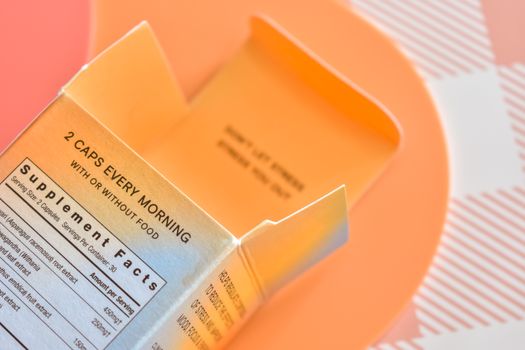
You take a supplement, you go about your day, and then your HRV trace looks… wrong. Not just “lower than usual.” More like flatlining—HRV values stop changing or stay pinned near one number for hours. Sometimes you also see your resting heart rate (RHR) drift upward or your HRV becomes unusually noisy right before it locks into a flat pattern.
This is unsettling because HRV is often treated as a proxy for recovery and autonomic balance. When it flatlines after adding something new, your first instinct is to assume the supplement “messed up” your physiology. Usually, the more common explanation is measurement disruption, timing mismatch, or an acute stressor that temporarily dominates the signal.
In this protocol, you’ll treat the flatline like a system fault: you’ll verify the data quality, identify the most likely causes, then apply fixes from simplest to more advanced. You’re not trying to “push through” bad readings. You’re trying to restore a trustworthy measurement and isolate what actually changed.
Most likely causes of HRV flatline after supplement
HRV flatlines are rarely caused by a single universal mechanism. They’re usually the result of one (or a mix) of the following categories.
1) Sensor contact and signal quality issues
HRV depends on accurate beat-to-beat detection. If your sensor contact changes—even slightly—you can get a “stuck” HRV pattern. After a supplement, people often move differently (more bathroom trips, different breathing, more stretching, more caffeine-related activity). Even clothing friction, sweat, or a loose strap can reduce signal quality.
Common signs include:
- HRV flatline begins shortly after you start the supplement routine (especially if you also changed posture, hydration, or activity).
- Your heart rate graph looks “clean” but HRV doesn’t update normally.
- You notice sensor slippage, or the strap feels less snug than usual.
- Artifacts appear around the same time each day (e.g., after meals or showers).
2) Timing mismatch: HRV is sensitive to the window you’re using
Many wearables calculate HRV using a specific time window (often nightly or during rest). If you take a supplement at a time that coincides with rest interruption—late afternoon energy, evening digestion, or bedtime restlessness—you may be looking at a flatline because the algorithm isn’t receiving stable data.
Real-world example: You take a magnesium glycinate capsule at 6:30 PM, then you eat a heavy meal at 7:30 PM, and you don’t fully settle until 9:30 PM. Your HRV might appear flat between 7:45 and 9:15 because your body is still cycling through digestion-related autonomic shifts and the sensor is also dealing with movement from post-meal comfort adjustments.
3) Acute physiological effects that temporarily dominate recovery signals
Some supplements can produce short-term autonomic changes that temporarily reduce HRV variability. Examples include:
- Caffeine-containing supplements (including “pre-workout” or fat-burner blends): HRV can drop for several hours.
- Stimulatory adaptogens (depending on dose and individual response): HRV may flatten during heightened sympathetic tone.
- Electrolyte shifts (high sodium or high mineral dosing): can alter hydration status and cardiovascular strain perception.
- Niacin or vasodilatory ingredients: can change peripheral circulation and make HRV patterns look “different” during the window of effect.
This doesn’t automatically mean harm. It means your HRV is reflecting a dominant state that may last 1–6+ hours depending on ingredients and your metabolism.
4) Dose timing, stomach effects, and sleep disruption
Even “calming” supplements can cause GI discomfort in some people. If you feel gassiness, reflux, or a need to reposition frequently, HRV can flatten because your sleep stage transitions and micro-movements disrupt the data quality and autonomic stability.
Look for patterns like:
- Flatline starts after the supplement and correlates with later bedtime or more awakenings.
- You wake up to drink water, use the bathroom, or adjust clothing frequently.
- Your HRV is normal earlier in the day but flatlines during the supplement’s absorption window.
5) Drug interactions or overlapping stimulants
Supplements rarely act in isolation. If you also used:
- coffee, tea, energy drinks, nicotine, or pre-workout
- decongestants (pseudoephedrine), some asthma meds, or certain antidepressants
- alcohol the night before (even moderate amounts can affect HRV)
…your HRV signal may reflect the combined effect. In that case, the “supplement cause” is plausible but not uniquely responsible.
6) Data handling quirks in your wearable
Some devices smooth HRV and can create apparent flatlines when data quality drops below a threshold. If you see a flat HRV line but your device also shows “low signal” or “out of range,” you’re probably dealing with a data artifact rather than a true physiological state.
Step-by-step HRV flatline troubleshooting and repair process

Use this as a strict sequence. Don’t jump to conclusions. You’re trying to restore measurement integrity first, then isolate the supplement’s timing and physiologic effects.
Step 1: Confirm the flatline is real and not a sensor/data issue
Open your wearable app and check three things:
- Signal quality: look for low-signal warnings or missing data segments.
- Consistency: does the flatline occur only during times you’re moving, showering, or adjusting the strap?
- Heart rate behavior: if HR is also unstable or you see frequent spikes, the sensor may be struggling.
If you can, re-check the last 24–48 hours. A true physiologic change often shows a pattern shift (e.g., HRV drops and gradually recovers). A sensor problem often shows abrupt onset and then “stuck” values.
Step 2: Do a 10-minute “clean reading” test
For the next session (today or the next day), run a controlled test:
- Put the sensor on correctly (snug, skin contact, no twisting).
- Sit quietly for 10 minutes with minimal movement.
- Breathe normally (don’t force deep breathing).
- Note whether HRV shows normal variability (even if it’s lower than baseline).
If the HRV flatlines even during the 10-minute quiet test, your issue is likely sensor contact, device fit, or algorithm sensitivity—not the supplement itself.
Step 3: Identify the supplement timing window and compare it to your HRV measurement window
Write down:
- Time you took the supplement (exact time).
- Time you ate (start/finish if possible).
- Time you went to rest or sleep.
- Any caffeine, nicotine, intense exercise, or stress events.
Then compare that to when your wearable calculates HRV (often nightly). If your supplement is taken late and your flatline occurs during the period of rest disruption, you’ve found a timing-based explanation.
Step 4: Remove confounders for 48 hours (a controlled pause)
To isolate cause, pause the supplement for 48 hours. Keep everything else as consistent as possible:
- No caffeine after your usual cutoff (for many people, 2 PM is a practical cutoff).
- Keep bedtime within 30–60 minutes of your normal schedule.
- Avoid new supplements or stacking multiple new products.
- Hydrate normally; don’t aggressively change electrolytes.
If HRV normalizes quickly and stops flatlining during the same timeframe, the supplement likely contributed. If it still flatlines even without the supplement, focus on sensor and lifestyle confounders.
Step 5: Reintroduce using the smallest practical change
When you’re ready to test again, don’t jump straight back to the full dose. Reintroduce with one change at a time:
- Use 50% of the prior dose for 2–3 days, or take the same dose but earlier (e.g., move from evening to mid-morning).
- Track HRV for the same measurement window.
- Keep meals and caffeine consistent.
If the flatline disappears at the lower dose or earlier timing, you’ve learned something actionable: either your dose is too high for your current sensitivity, or the timing overlaps with a period of rest disruption.
Solutions from simplest fixes to more advanced fixes
Work through these in order. Each step should either restore data quality, clarify timing, or explain physiologic dominance. Don’t skip to advanced steps until the basics are handled.
1) Fix the sensor fit and placement (do this first)
Before changing supplements again, ensure the device is capturing clean inter-beat intervals.
- Re-seat the strap: snug but not painful. If you can slide it easily, it’s often too loose.
- Check skin conditions: dry skin often improves contact. If you’ve got lotion or heavy moisturizer, wipe the area and reapply.
- Try a different placement: some wearables perform better on a slightly different finger position or wrist angle.
- Reduce friction: tight sleeves, watch rotation, and constant tapping can create artifacts.
Practical rule: if you see flatline starting exactly when you start moving more, it’s almost always sensor contact or movement artifact.
2) Adjust supplement timing to avoid overlap with sleep and meals
For many supplements, the simplest fix is moving the dose earlier. Try shifting your supplement by 4–6 hours earlier than your original time for 3 days.
Examples:
- If you take a magnesium or herbal blend at 8:00 PM, try 1:00–3:00 PM.
- If you take a stimulant-adjacent supplement after lunch, try morning only.
Why this helps: HRV measurement windows often align with rest. If your supplement effect spikes during digestion, movement, or pre-sleep wakefulness, HRV can flatten due to both physiology and data instability.
3) Reduce dose or split the dose (when appropriate)
If the supplement is not a once-daily fixed dose by design, consider a smaller dose or splitting.
- Reduce to 50% for 2–3 days.
- If tolerated, consider split dosing (e.g., morning + early afternoon) instead of a single late dose.
Do not split if the product is specifically formulated for single-time release or if the label warns against splitting.
4) Check hydration and electrolytes without overcorrecting
Hydration can affect cardiovascular stability and how comfortable you are during sleep. But overcorrecting can backfire.
Try this approach for 48 hours:
- Drink water consistently across the day (avoid sudden large boluses right before bed).
- If your supplement is mineral-heavy, don’t add extra electrolytes on top for the troubleshooting period.
- Watch for dry mouth or frequent urination at night, which can disrupt sleep and HRV.
Real-world scenario: You start a magnesium supplement and also begin an electrolyte drink “just to help.” Your HRV flatlines and you’re waking up to pee. When you stop the electrolyte drink and keep hydration steady, HRV begins returning to its normal variability within 1–2 nights.
5) Reduce acute stress inputs for one HRV “recovery window”
Pick one day to be intentionally low-stimulus. For that day:
- Avoid intense training or long high-intensity intervals.
- Limit caffeine to your normal amount and keep it earlier than usual.
- Keep bedtime consistent (within 60 minutes).
- Minimize late-night screen time if it disrupts sleep onset.
This doesn’t mean you need a perfect lifestyle. It means you’re preventing competing signals from masking what the supplement is doing.
6) Switch the supplement form or brand (if you suspect tolerance or additives)
If the flatline returns consistently after reintroducing the supplement—even at lower dose and earlier timing—the issue may be:
- an ingredient you react to
- an excipient/additive (fillers, sweeteners)
- a dose that’s still too high for you
Soft approach: consider testing a cleaner formulation or a different brand with the same active ingredient at a lower dose. If you’re using a complex blend, it’s often more informative to try a single-ingredient version.
7) Consider whether the supplement is causing GI discomfort or sleep fragmentation
If your HRV flatline coincides with bedtime, sleep fragmentation is a prime suspect. Note:
- Any reflux, burping, nausea, or stomach cramps after taking it.
- Frequent repositioning.
- Waking up more than usual.
Fix: take the supplement with food if the label allows it, and avoid taking it within 1–2 hours of lying down. If symptoms persist, stop and reassess rather than trying to “train through” discomfort.
8) Calibrate your measurement routine (use the same conditions for 3–5 days)
HRV is sensitive. Your best “debugging” tool is consistency. For the next 3–5 days:
- Wear the device the same way (same strap tightness, same location).
- Use the same bedtime routine.
- Take the supplement (if you’re testing) at the same time.
- Keep caffeine and alcohol unchanged.
If HRV flatlines only under one set of measurement conditions, it’s a workflow issue. If it consistently flatlines across consistent conditions, it’s more likely a true physiologic or interaction effect.
When replacement or professional help is necessary
Most HRV flatlines after a supplement are fixable with sensor and timing adjustments. Still, there are times you should escalate.
Replace the device or sensor if you see persistent data quality failures
Consider replacement if:
- HRV repeatedly flatlines even during the 10-minute quiet test.
- You see frequent “low signal” warnings.
- Heart rate readings are erratic or missing.
- The issue persists across multiple days and multiple strap placements.
Before replacing, clean the sensor contacts and tighten fit consistency. If it remains unreliable, it’s not worth continuing a supplementation experiment with questionable data.
Get professional help if you have concerning symptoms
Don’t treat HRV as a standalone medical diagnostic tool. If you experience any of the following after starting a supplement, seek medical advice promptly:
- chest pain, severe shortness of breath, fainting, or sustained palpitations
- neurologic symptoms (severe dizziness, weakness, confusion)
- severe allergic reactions (hives, swelling of face/lips, difficulty breathing)
- persistent GI distress (vomiting, severe abdominal pain)
If you have a known heart condition, arrhythmia history, or you take cardiac medications, it’s especially important not to rely on HRV trends alone. A clinician can help interpret what’s happening beyond the wearable.
When to stop troubleshooting and stop the supplement
Stop the supplement and reassess if the following happen repeatedly:
- HRV flatline returns every time you reintroduce, even at lower doses and earlier timing.
- Your sleep worsens noticeably (more awakenings, restless nights) and HRV doesn’t recover.
- You experience consistent side effects (GI discomfort, jitteriness, headaches).
At that point, the most useful next step is to pause and consider switching formulations or ingredients—or consulting a professional—rather than continuing to “test” daily.
Putting the protocol into practice: a practical example

Here’s a realistic scenario you can map to your own routine.
You start a new supplement blend on a Tuesday. You take it at 7:45 PM after dinner. By that night, your wearable shows HRV flatlining from roughly 9:00 PM to 1:30 AM, while your HR remains mostly steady. The next day, your HRV looks “stuck” again during rest periods.
You run the protocol:
- Sensor check: you re-seat the strap and do a 10-minute quiet test. HRV variability returns.
- Timing mismatch: you realize you stayed up until 11:15 PM and you repositioned frequently after dinner.
- 48-hour pause: you stop the supplement entirely. Over the next two nights, HRV returns to normal variability.
- Reintroduce carefully: you retest at 50% dose and take it at 2:00 PM.
- Result: the flatline doesn’t appear. HRV drops slightly for about 2 hours after the dose, then recovers by bedtime.
Conclusion: the supplement didn’t necessarily “harm” you. It likely overlapped with digestion/sleep instability and/or created a short-term autonomic shift that your wearable flagged as a flatline during low-quality rest data.
How to document your troubleshooting so you actually learn something
Without a simple log, troubleshooting becomes guesswork. Keep notes for each attempt:
- Date and time supplement taken
- Dose and whether you split it
- Caffeine, alcohol, intense exercise timing
- Bedtime and any awakenings
- Sensor fit notes (snugness, sweat, strap slippage)
After 3–5 days of consistent documentation, patterns usually emerge. You’ll know whether the flatline is tied to sensor contact, timing overlap, dose sensitivity, or a more persistent interaction.
Soft supplement integration tips while you troubleshoot
If you’re using supplements as part of your recovery routine, you can still do it responsibly while debugging HRV flatlines.
- Introduce one change at a time: one supplement, one dose change, one timing change.
- Use a short trial window: 3–5 days of data is usually enough to see whether the pattern is consistent.
- Prefer simpler formulas during troubleshooting: fewer ingredients make it easier to identify the trigger.
- Consider reputable brands with clear dosing and ingredient transparency—especially if you’re reacting to blends.
You don’t need to stop supplementing forever. You need to stop supplementing blindly while your data is behaving strangely.
Final decision checklist before you keep or drop the supplement
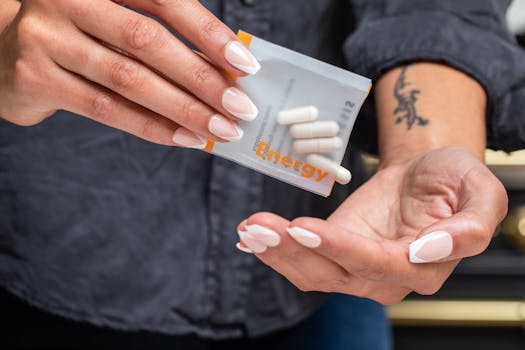
Use this checklist to decide your next move after you’ve worked through the protocol.
- Was sensor quality normal during a 10-minute quiet test?
- Did HRV normalize during the 48-hour pause while keeping lifestyle consistent?
- Did the flatline reappear when you reintroduced (especially at the same timing and dose)?
- Did timing changes (moving earlier by 4–6 hours) reduce or eliminate the flatline?
- Did you notice side effects (GI discomfort, jitteriness, sleep fragmentation)?
- Do you have any concerning symptoms that warrant medical advice?
If you can answer these clearly, you’re not stuck. You’re troubleshooting effectively. And you’ll have a much better chance of separating “wearable artifact” from “real effect” without guesswork.
02.04.2026. 08:00