

Protein Intake for Fat Loss: The Evidence-Based Guide

Protein intake for fat loss: why this nutrient matters
If you’re trying to lose fat, protein isn’t just “another macro.” It has a specific job: help you stay in an energy deficit while protecting lean mass and improving appetite control. That combination is why protein intake for fat loss is one of the most reliable levers you can adjust.
Fat loss ultimately depends on energy balance. But the day-to-day reality is harder: hunger rises, training stresses your body, and your body will naturally try to conserve energy. Protein helps you navigate those pressures by increasing satiety, supporting muscle repair, and raising diet-induced energy expenditure more than carbs or fats.
This guide explains what to aim for, how to structure intake across the day, and how to apply it in real scenarios—so your protein supports fat loss instead of becoming an afterthought.
How protein supports fat loss beyond calories
1) Higher satiety helps you stay in a deficit
Many people fail at fat loss because the deficit is too difficult to sustain. Protein tends to reduce hunger and cravings compared with lower-protein diets. It also slows gastric emptying and influences gut hormones related to fullness. In practice, that means you’re more likely to reach your calorie target without constant decision fatigue.
For you, the takeaway is simple: if you feel hungrier than usual during a cut, protein is often the first nutrient to adjust because it can make the deficit feel less punishing.
2) Preserving muscle keeps your metabolism working
When you lose weight, you don’t only lose fat. You can also lose muscle, especially if protein is too low and resistance training is absent. Muscle loss is undesirable because it reduces strength, raises the risk of functional decline, and can lower your resting energy needs.
A higher protein intake supports muscle protein synthesis and helps your body maintain lean mass during caloric restriction. That doesn’t mean you “can’t lose fat.” It means you’re more likely to lose fat preferentially when you combine protein with resistance training.
3) Protein has a higher thermic effect
Digestion and processing of protein require more energy than carbs or fats. The thermic effect of food isn’t large enough to replace a calorie deficit, but it contributes to daily energy expenditure. Over weeks, small differences can matter, especially when you’re already dialed in on intake.
How much protein should you eat for fat loss?
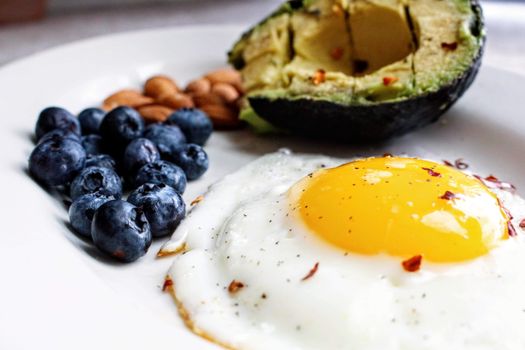
The most useful protein targets are based on body weight. The exact number depends on your training, calorie level, and preferences, but research and practice consistently converge on a useful range.
Target range: 1.6 to 2.2 g protein per kg per day
For most people cutting fat while maintaining muscle, a practical evidence-based target is 1.6–2.2 grams of protein per kilogram of body weight per day. If you’re leaner, more active, or dieting more aggressively, you may lean toward the upper end. If you’re less active, extremely calorie restricted, or struggling with adherence, you might start at the lower end and adjust based on results.
To translate this into pounds: multiply your weight in pounds by about 0.73 to get the kilograms, then apply the range. For example, a 180 lb (82 kg) person aiming for 1.8 g/kg would target roughly 148 g protein/day.
What if you’re very lean or very overweight?
Protein targets are still achievable, but the “per kg” method can mislead you if your weight is far above your lean mass. In those cases, using a lean-mass-based approach can be more accurate. If you don’t know your body composition, a workable compromise is to start with 1.6 g/kg of body weight and reassess after 2–3 weeks using hunger, training performance, and body-weight trends.
If you’re very lean and dieting, higher protein can help you preserve what you’ve built. If you’re heavier, focus on adherence and digestive tolerance. The goal isn’t perfection; it’s consistency.
Minimum effective dose vs. optimal range
If your protein intake is currently low, increasing it can improve satiety and muscle retention even before you reach the “ideal” number. Many people see benefits once they reach roughly 1.2–1.6 g/kg/day, but the strongest muscle-protective and appetite-supportive effects are usually closer to 1.6–2.2 g/kg/day during fat loss.
Timing protein: how to space it across the day
Protein timing doesn’t need to be complicated, but spacing matters. Your goal is to provide amino acids regularly so muscle repair can occur after training and throughout the day.
Use 3–5 protein feedings per day
A common practical structure is 3–5 meals or snacks containing protein. This tends to keep you full and makes your daily target easier to hit. You don’t need to obsess over exact timing, but you should distribute protein rather than stacking it all at one meal.
Aim for a per-meal protein dose
Many people do well with about 0.4–0.6 g/kg of protein per meal. For a 80 kg person, that’s roughly 32–48 g protein per feeding. If you prefer fewer meals, you can increase the per-meal dose. If you prefer more meals, you can keep each portion smaller.
After resistance training, prioritize a protein-containing meal within a reasonable window. You don’t have to treat it like a countdown timer, but getting protein in soon after training supports recovery.
What about protein before bed?
Some people benefit from a protein-containing snack before sleep, especially during a calorie deficit. The idea is to provide amino acids overnight to support muscle protein synthesis. This is most useful if your total daily protein is hard to reach or if your schedule limits daytime intake. If you do this, keep it reasonable—think in terms of adding protein, not turning sleep into a meal plan.
Practical guidance: building meals that hit your target
Protein intake for fat loss works best when it fits your real life. Use your daily target and build around it using foods you can repeatedly prepare.
Start with a protein anchor at each meal
Pick one protein source per meal and build the rest around it. Examples include chicken breast, turkey, lean beef, fish, eggs, Greek yogurt, cottage cheese, tofu, tempeh, lentils, and beans. If you’re eating dairy, it can be an efficient way to increase protein without adding excessive volume.
Your “anchor” approach prevents the common mistake of trying to add protein at the end of the day when you’re already full.
Use simple portion targets
You don’t need to weigh everything forever, but you do need a starting reference. A few common approximations can help you estimate quickly:
- Cooked chicken or turkey: about 25–35 g protein per 4 oz (depending on cut).
- Lean fish: about 25–35 g protein per 4 oz.
- Greek yogurt (high-protein): often 15–25 g per serving.
- Eggs: about 6–7 g protein per large egg.
- Tofu/tempeh: often 15–25 g per 4–6 oz depending on type.
- Lentils/beans: roughly 15 g protein per cooked cup (varies by type).
As you track for 7–14 days, you’ll calibrate your estimates and spend less time guessing.
Protein shakes and powders: when they help
Protein powders are not required for fat loss, but they can be a practical tool when whole-food protein is inconvenient. They’re especially useful if you struggle to hit your target due to appetite, work schedule, or cooking constraints.
For example, if you’re training in the morning and your appetite is low, a whey or plant-based protein shake can help you reach your daily number without forcing a large meal. The key is to use them to support your plan—not to replace meals that you can comfortably eat.
If you use powders, check labels for protein grams per serving and keep an eye on added sugars or unusually high calories. Many powders provide 20–30 g protein per serving, which can cover one meal’s worth of protein for many people.
Vegetarian and vegan fat loss with adequate protein
You can absolutely meet protein targets without meat. Focus on high-protein plant foods such as tofu, tempeh, seitan (if tolerated), edamame, Greek-style soy yogurt, cottage cheese (vegetarian), lentils, beans, and high-protein grains like quinoa. Combining legumes with grains can improve amino acid completeness, though total daily protein and consistent intake matter most.
If you’re plant-based and your protein is low, increasing legumes and tofu is often the easiest first step.
Real-world scenario: what a protein-focused cut looks like
Consider “Maya,” a 30-year-old who weighs 170 lb (77 kg) and wants to lose fat while continuing strength training 3–4 days per week. She sets a moderate calorie deficit and chooses a protein target of about 1.8 g/kg/day, which is roughly 140 g protein per day.
Her plan looks like this:
- Breakfast: Greek yogurt bowl with berries and a handful of nuts (about 35 g protein).
- Lunch: chicken salad wrap or tofu bowl (about 40 g protein).
- Snack: protein shake if she’s busy, or cottage cheese if she’s home (about 25 g protein).
- Dinner: salmon, lean beef, or lentil-based meal (about 40 g protein).
After two weeks, she notices she’s less hungry between meals and her training feels steadier. Her scale weight drops gradually, and her strength numbers don’t collapse. She doesn’t need to “track every minute,” but she does check that she’s consistently hitting her protein target.
This scenario reflects a common pattern: when protein is adequate, the deficit is easier to maintain, and muscle retention is more likely.
Common mistakes that derail protein intake for fat loss
Choosing protein sources that don’t fit your calorie goal
Protein doesn’t automatically mean “low calorie.” Some protein sources are calorie-dense (for example, certain cuts of meat, cheese-heavy meals, or high-fat dairy). You can still include them, but you must account for calories to maintain your deficit.
Not meeting the target consistently
One missed day won’t ruin progress. But if your protein intake varies wildly, appetite and recovery can become inconsistent. Try for a week-long average. If you’re short by 20–30 g most days, your plan likely needs adjustment.
Too few protein feedings
If you eat protein only once per day, you may struggle to reach your target and you may stay hungry longer. Spacing protein across meals usually improves adherence.
Ignoring training and expecting protein alone to “save” muscle
Protein is supportive, not magic. If you stop resistance training while dieting, muscle loss risk increases even with good protein. Aim to keep training stimulus consistent—especially during the first 4–8 weeks of a cut.
How to monitor progress and adjust your protein target
You don’t need constant data, but you do need feedback. Use trends from weight, measurements, training performance, and hunger.
Track for 2–4 weeks before making major changes
In most cases, give your plan a short runway. If fat loss is too slow, you can adjust calories. If hunger is too high or training performance drops, protein may be part of the issue.
Signs you may need more protein
- You’re consistently hungry despite staying within your calorie target.
- Your strength is declining faster than expected.
- You’re losing weight quickly but also noticing a drop in performance or recovery.
- You’re finding it difficult to maintain your deficit without “snack attacks.”
If these show up, increasing protein by 10–20 g/day (or adjusting within the 1.6–2.2 g/kg range) is a reasonable first response.
Signs you may be fine or need less
- You’re losing fat at a steady rate and training performance is stable.
- Protein is already high and you’re struggling with digestion or feeling overly full.
- Your diet is so protein-heavy that it crowds out fiber-rich carbs and vegetables, making adherence harder.
In those cases, you may not need to push protein higher. You can focus on food quality, fiber, and overall calorie control.
Safety and digestion: making protein work for your body
For most healthy people, higher protein within the recommended range is safe. However, your personal situation matters.
If you have kidney disease or medical constraints
If you have known kidney problems or a medical condition that affects protein metabolism, consult a qualified healthcare professional before increasing protein. In such cases, “more protein” isn’t automatically beneficial.
Manage side effects like bloating or constipation
Increasing protein can change your digestion. If you notice bloating, reduce sudden jumps and increase gradually over 1–2 weeks. Also ensure you’re getting enough fiber from vegetables, fruit, legumes, and whole grains (if they fit your diet). Drinking adequate water helps, too.
Some people also do better when they choose leaner proteins or spread intake across more meals.
Summary: using protein intake to support fat loss
Protein intake for fat loss works because it improves appetite control, supports muscle retention, and adds a modest thermic effect. To apply it, aim for 1.6–2.2 g protein per kg of body weight per day, then spread it across 3–5 feedings with a per-meal dose around 0.4–0.6 g/kg.
In real life, the most effective strategy is the one you can sustain. Choose repeatable protein anchors, use meal planning when needed, and consider protein powders only as a convenience tool—not as a replacement for whole-food structure. Monitor progress over 2–4 weeks and adjust based on hunger, training performance, and fat loss rate.
If you keep protein consistent while maintaining a calorie deficit and resistance training, you give your body the best chance to lose fat while keeping the muscle you want to preserve.
Prevention guidance: keep protein helpful, not stressful
To prevent protein from becoming a source of stress, build a system rather than chasing perfect numbers. Start with a target you can hit most days. Plan protein for the meals you control (breakfast and dinner often matter most). When life gets busy, use a shake or a quick high-protein meal so you don’t “give up” on the target.
Finally, remember that fat loss isn’t only about protein. Sleep, daily movement, and training quality influence hunger and recovery. Protein supports those efforts—so treat it as a foundation, not the entire strategy.
23.01.2026. 12:47