

Pelvic Floor Relaxation vs Kegel for ED: Myth-Busting Guide

Why erectile dysfunction isn’t always about “weak” muscles

Erectile dysfunction (ED) can come from blood flow, nerve signaling, hormones, medication effects, stress, and relationship factors. But there’s another common contributor that gets misunderstood: pelvic floor muscle tension.
Many people are told to do Kegels for ED. Kegels can help some men, but they can also make symptoms worse when the real issue is over-tight pelvic floor muscles. That’s where the idea of pelvic floor relaxation vs kegel ED matters: the “fix” depends on whether your pelvic floor is underperforming or guarding and tightening.
This myth-busting guide helps you understand how pelvic floor relaxation and Kegels work, how to tell what you likely need, and what a safer training approach looks like.
The Kegel myth: “More contraction always means better erections”
Kegel exercises are designed to strengthen pelvic floor muscles through repeated contraction and release. In theory, stronger pelvic floor muscles can support erection quality by improving the ability to maintain blood flow and stabilize pelvic structures.
However, ED is not always a “strength” problem. In many cases—especially when ED is paired with pelvic discomfort, urinary urgency, pain with sex, or a feeling of “tightness”—the pelvic floor behaves more like a protective clamp than a weak hammock.
When your pelvic floor is chronically tense, repeated squeezing can intensify the problem. Instead of improving erection function, you may notice erections become harder to initiate, less reliable, or more uncomfortable to maintain.
Real-world scenario: You start Kegels after reading that they’re the standard ED exercise. After 2–3 weeks, you feel more pelvic tightness and your erections become less consistent, especially during stress or when you’re trying to “perform.” That pattern often points to muscle guarding rather than weakness.
What pelvic floor relaxation actually means
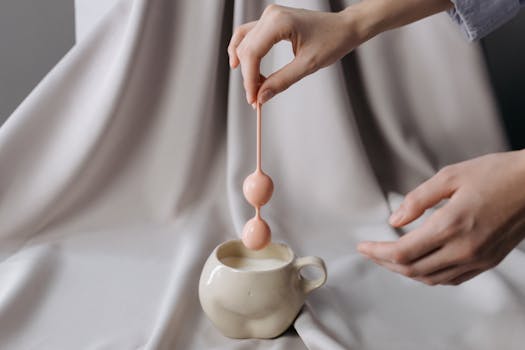
Pelvic floor relaxation is not “doing nothing.” It’s a targeted retraining of how your pelvic floor responds to daily life and sexual arousal—especially how it releases tension.
In practical terms, relaxation training often includes:
- Diaphragmatic breathing (slow breathing that encourages pressure to move downward rather than tightening the pelvic floor).
- Learning to lengthen and soften the pelvic floor during rest and arousal cues.
- Reducing protective muscle patterns that show up during stress, sitting, or attempts at erection.
- Coordinating breath and pelvic motion so the pelvic floor can respond rather than brace.
One reason relaxation can help ED is that erection quality depends on a coordinated balance: muscles must allow blood flow and nerve signaling to work effectively. Tight pelvic muscles can interfere with that coordination.
How a “tight pelvic floor” can contribute to ED
A chronically tense pelvic floor can affect ED through several pathways:
- Mechanical tension: persistent contraction can reduce the ability to generate the proper pelvic support during arousal.
- Increased sensory input: pelvic tightness can heighten discomfort or vigilance, which can suppress arousal.
- Stress coupling: if you brace whenever you’re anxious, the same bracing can occur when you want an erection.
- Pain and guarding cycles: discomfort can lead to more guarding, which leads to more discomfort—further worsening function.
Importantly, pelvic floor tightness can exist even in people who believe they “don’t feel anything.” Some men feel only ED, not pain. Others report urinary symptoms, constipation-related strain, or pain with ejaculation. Those patterns are clues that relaxation may be a missing piece.
Kegels: when strengthening is helpful for ED
Kegels may be beneficial when pelvic floor muscles are truly weak or poorly coordinated. In those cases, adding structured contractions can improve the ability to maintain erection quality and reduce leakage or straining-related issues.
Strengthening is more likely to help if you notice:
- Erections are inconsistent but you don’t have pelvic tightness or pain.
- You can relax your pelvic floor between contractions without feeling “stuck.”
- Symptoms improve with general pelvic control training.
Even then, the goal isn’t constant squeezing. A good program includes rest and release. Many men skip the release part and end up training a tight pattern.
Pelvic floor relaxation vs kegel ED: how to choose the right direction

You don’t have to guess blindly. Your symptom pattern can guide you.
Consider pelvic floor relaxation first if you have ED plus any of the following:
- Pelvic or perineal tightness, heaviness, or discomfort
- Urinary urgency or frequency that worsens with stress
- Painful ejaculation or discomfort during sex
- Difficulty relaxing after you “try” to get aroused
- ED that spikes during performance anxiety
Consider Kegels (with careful release) if:
- You feel generally able to relax the pelvic area
- Your main issue is loss of firmness or maintenance, without tightness symptoms
- You notice improved control when you practice mindful contractions and releases
In reality, many people have mixed patterns: some weakness plus some guarding. That’s why a balanced approach—learning relaxation and coordinating contractions—often beats an “all Kegels” or “all relaxation” strategy.
A practical starting plan you can use safely
If you’re unsure, you can begin with a low-risk foundation focused on relaxation and coordination. The key is to avoid forcing contractions when your pelvic floor is already tense.
Step 1: Breathing-based down-training (5 minutes daily)
- Sit or lie down comfortably.
- Inhale through your nose for about 4 seconds.
- Exhale slowly for about 6–8 seconds.
- As you exhale, imagine the pelvic floor softening and dropping slightly.
Do this for 5 minutes once per day for 1–2 weeks. If you feel more pelvic tightness or discomfort, reduce intensity and consider professional guidance.
Step 2: Add “release-first” pelvic awareness (1–2 minutes)
- Practice noticing whether you naturally hold tension while breathing.
- Try a gentle pelvic floor “drop” or softening on exhale.
- Stop if you feel pain, burning, or increased guarding.
Step 3: Only then consider gentle contractions (if appropriate)
If you don’t have tightness symptoms and relaxation feels easy, you can introduce light Kegels with full release. A common starting structure is:
- Contract gently for 3–5 seconds
- Relax fully for 6–10 seconds
- Repeat 8–12 times
- Do it 3–4 days per week
After 2–3 weeks, reassess. If symptoms worsen or pelvic tightness increases, you likely need more relaxation training and less contraction.
What to avoid: common reasons Kegels worsen ED
Even if Kegels are the right tool, technique matters. Some common mistakes can turn a helpful exercise into an ED trigger.
- Training without release: Holding tension between reps trains guarding.
- Overdoing volume: Many men do too many sets. More isn’t better; it can create fatigue and tension.
- Using the wrong muscles: You might recruit glutes, abs, or inner thighs instead of the pelvic floor, increasing overall bracing.
- Doing Kegels when you’re already tight: If your pelvic floor is guarding, strengthening can amplify the pattern.
- Pairing exercises with performance pressure: If you practice while anxious or “trying to feel it work,” you can reinforce a stress response.
If you’ve been doing Kegels for months and your ED is unchanged or worse, it’s reasonable to pause and shift focus toward relaxation and coordination.
When professional help is worth it
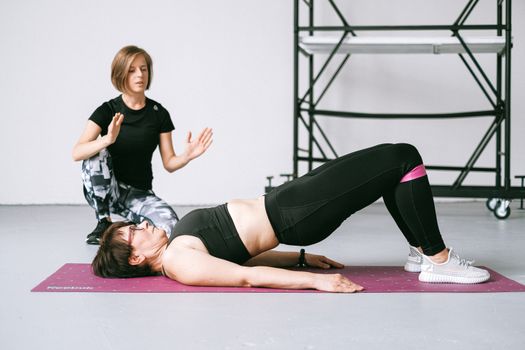
Pelvic floor training is not one-size-fits-all. If you have ED plus persistent pelvic pain, urinary symptoms, or sexual pain, a pelvic health physical therapist or a clinician experienced in male pelvic floor dysfunction can help you differentiate weakness from overactivity.
Professional assessment can include evaluating how you relax, how you coordinate breathing, and whether your pelvic floor is hypertonic (too tight) or hypotonic (too weak). That matters because the same exercise can be helpful or harmful depending on baseline tone.
Also consider medical evaluation if ED is new, rapidly worsening, or accompanied by cardiovascular symptoms. ED can be an early marker of vascular disease. Pelvic floor training is important, but it doesn’t replace appropriate medical care.
Prevention guidance: keeping pelvic floor training from backfiring
Prevention is about reducing the conditions that promote guarding and tension.
- Manage stress and arousal pressure: If you treat erections like a test, your body may brace. Practice relaxation during non-sexual moments too.
- Address constipation and straining: Chronic straining increases pelvic floor load. Aim for regular bowel habits and avoid prolonged toilet sitting.
- Be mindful with prolonged sitting: Long periods seated—especially with tension—can encourage pelvic guarding. Stand and move periodically.
- Use “release” as your feedback: If you notice you’re less able to relax after training, adjust immediately.
- Start small and track changes: Give yourself 2–4 weeks to evaluate. ED improvements often come gradually, not overnight.
For many men, the most effective training pattern is not choosing between pelvic floor relaxation vs kegel ED as an either/or. It’s learning how to relax first, then add strengthening only when it supports—not disrupts—your natural pelvic function.
Summary: the best approach depends on whether your pelvic floor is tight or weak
Here’s the core myth-busting takeaway: ED isn’t always caused by weak pelvic floor muscles. When the pelvic floor is overactive, Kegels can worsen tightness and reduce erection reliability.
Pelvic floor relaxation helps by retraining release, breath coordination, and tension responses. Kegels can help when strengthening and coordination are the missing pieces, but they must include full relaxation between contractions.
If you’re dealing with ED and you also feel pelvic tightness, urinary urgency, or discomfort, start with relaxation-based training and reassess after 1–2 weeks. If tightness increases, don’t push through—adjust direction and consider professional pelvic floor assessment.
07.12.2025. 08:04