

Basal Body Temperature Fertility Tracking Protocol

Goal: track ovulation using a consistent basal body temperature fertility tracking protocol
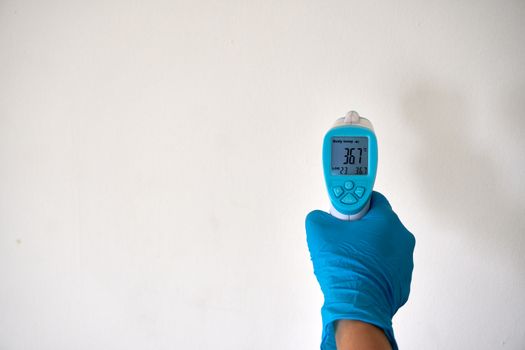
You can use basal body temperature (BBT) to estimate when ovulation happens because your temperature typically rises after ovulation due to progesterone. The point of a basal body temperature fertility tracking protocol is to remove guesswork by standardizing how you measure, record, and interpret your data. When you do this consistently, your chart becomes a reliable guide for understanding your cycle patterns and timing.
This guide walks you through the exact routine: what to prepare, how to take readings, how to record them, and how to spot the post-ovulation shift. You’ll also learn the mistakes that commonly ruin charts and how to improve accuracy over time.
Required preparation and setup
Before you start measuring, set up your routine so the readings are comparable from day to day. BBT is sensitive to sleep disruption, measurement timing, and even how you handled the thermometer.
Choose one measurement method and stick with it
- Pick a thermometer type: a basal body thermometer is designed for small temperature changes, but a reliable digital thermometer that measures to at least two decimal places can work if it’s consistent.
- Use the same measurement location every time (oral, vaginal, or rectal). Oral is common; vaginal often reduces variability for some people. Decide and commit.
- Record in the same units (°C or °F) and ensure your charting tool matches.
Set up recording so you don’t miss days
- Plan where you’ll record: a paper chart, a spreadsheet, or a dedicated fertility tracking app that supports BBT charts.
- Keep your notes ready: you’ll want a space for sleep length, illness, travel, alcohol, and unusual wake-ups.
- Prepare your thermometer: place it within reach of your bed so you can take the reading without searching for it.
Time your measurement around your sleep
- Measure immediately after waking, before you get up, talk, or use the bathroom if possible.
- Choose a consistent wake window. For example, if you usually wake around 6:30–7:00 a.m., aim to measure within that window each day.
- Sleep duration matters: try to get at least 3–4 consecutive hours of sleep before measuring. If you wake earlier than usual and can’t return to sleep, note it.
Step-by-step: basal body temperature fertility tracking protocol
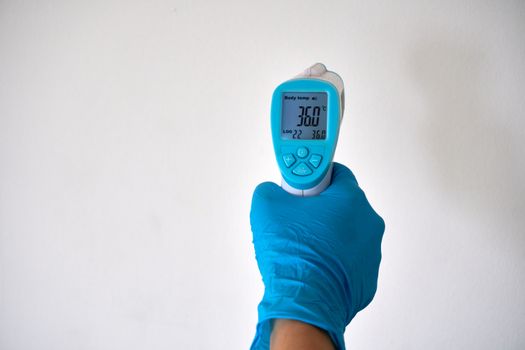
Follow these steps for each cycle. Your goal is a clean, consistent dataset that allows you to recognize the temperature shift that typically occurs after ovulation.
1) Start on Day 1 of your cycle (or as soon as possible)
Begin when menstrual bleeding starts. If you’re starting mid-cycle, begin immediately and treat the first days as baseline data. Don’t try to “fix” missing days later—just record what you have.
2) Measure your BBT every morning before you move
- Place the thermometer in position according to your chosen method.
- Take the reading right away, before you sit up or walk around.
- Use consistent timing. If your wake time changes by more than 1 hour, record it in your notes.
- If your thermometer needs a specific measurement time (for example, until it beeps), wait the full required duration each time.
3) Record the temperature and the conditions that can affect it
Each day, write down your temperature and any factors that can cause temporary changes. Include details like:
- Sleep length (e.g., 5 hours vs. 7 hours)
- Illness or fever (even mild)
- Alcohol the night before
- Late nights or early awakenings
- Travel or time zone changes
- Medication that can influence temperature (if relevant)
For example, if you wake at 4:30 a.m. due to a sick child and you normally wake at 6:30 a.m., record the early wake-up. Your chart will make more sense when you see why that day’s temperature may be atypical.
4) Keep your routine consistent for at least one full cycle
Don’t change your measurement method mid-cycle. If you switch from oral to vaginal, or from one thermometer to another, you introduce variability that can mask the real pattern. Aim for at least one full cycle (about 28–35 days for many people) before you judge your chart.
5) Identify the typical post-ovulation temperature pattern
In many cycles, you’ll see:
- A pre-ovulation range where temperatures are relatively steady
- A sustained rise after ovulation
- A higher level that continues until the next period
Practically, you’re looking for a shift where temperatures rise and stay elevated for multiple days. Many charting approaches use the idea of a “sustained rise,” often around 3 or more consecutive days above your previous baseline. The exact interpretation can vary by charting method, but the key is consistency and sustained elevation, not one isolated spike.
6) Mark ovulation timing based on your chart’s shift
Because ovulation happens before the temperature rise, ovulation is usually estimated as occurring near the last lower temperature day or just before the sustained rise. When you see the shift, review your notes:
- If a day with an elevated reading also has a clear reason (fever, poor sleep, alcohol), treat it cautiously.
- If the rise is consistent and your notes don’t show a clear disruptive factor, your ovulation estimate becomes more credible.
7) Continue tracking through the luteal phase and into your next period
Don’t stop once you think you’ve ovulated. Continue until your next menstrual bleeding starts. Tracking through the luteal phase helps you confirm whether the rise was sustained and how long it typically lasts for you.
Common mistakes and issues that disrupt BBT charts
BBT works best when your measurements are comparable. The following issues commonly create misleading charts.
1) Measuring at different times or after broken sleep
If you measure after 2 hours of sleep one day and after 7 hours another day, the temperatures won’t be comparable. Try to maintain a consistent wake window and at least 3–4 hours of sleep before measuring. If you can’t, note it.
2) Getting out of bed or moving before taking the reading
Even small movement can raise temperature. Take the reading before you sit up, walk, or start your day.
3) Switching thermometer type or measurement location
Switching from one thermometer to another, or changing from oral to vaginal, can shift baseline readings. If you must change due to availability, note the change clearly and treat interpretation with caution for that cycle.
4) Ignoring illness, fever, alcohol, or medication
Illness can elevate temperature and mimic the post-ovulation shift. Alcohol can affect sleep quality. If you’re sick, you may need to mark those days so you don’t over-interpret them.
5) Overreacting to a single high day
A one-day spike is often noise. The pattern matters. Focus on a sustained rise and compare it to your established baseline before you conclude ovulation has occurred.
6) Not recording notes, then trying to “remember later”
When you look back on a chart, you may forget the exact reason a reading was unusual. Add notes immediately. Even short notes like “poor sleep” or “fever” help you interpret the pattern accurately.
Additional practical tips and optimization advice
Once you have the protocol running, you can sharpen accuracy and make your chart more useful for understanding your cycle.
Use a consistent pre-measurement routine
- Keep lights low and avoid stimulating activities right before bed.
- Place your thermometer where you can reach it instantly.
- If possible, keep the room temperature stable and avoid sleeping next to drafts.
Track alongside cervical mucus or ovulation tests if you want more context
BBT confirms ovulation after the fact. If you also track cervical mucus changes or use ovulation predictor kits, you can cross-check timing. For example, you might see fertile-type mucus and a positive ovulation test a day or two before your temperature rise. That doesn’t replace BBT; it helps you understand what the temperature shift is reflecting.
Plan for travel or schedule changes
If you travel across time zones, the wake time may shift relative to your normal routine. In that situation, measure at your usual local time if you can, and record the change. If your sleep is disrupted, mark the days clearly so you can avoid misreading the data.
Example scenario: using the protocol during a month with disrupted sleep
Imagine your normal wake time is 6:45 a.m. In the middle of your cycle, you wake at 5:10 a.m. because of a child’s fever, then you go back to sleep for only 45 minutes. You still take the BBT reading immediately at 5:10 a.m. and record it, along with “early wake + illness in household.” Two days later, your temperatures begin a sustained rise over your baseline for several days. You interpret ovulation based on the sustained shift, not the single early-reading anomaly. Because you documented the early wake, you avoid concluding that ovulation happened on the disrupted day.
Give yourself enough data to recognize your pattern
BBT patterns vary. Some people see a clear shift quickly; others need several cycles to establish a baseline. Aim for at least 2–3 cycles before expecting precise ovulation timing. If your cycles are irregular, you may still benefit from tracking continuously, but expect interpretation to rely more on trends than exact day predictions.
Watch for factors that can flatten or exaggerate the shift
Temperature shifts can be less obvious when:
- Your sleep is frequently interrupted
- You have recurring illness
- Your measurement routine varies
If your chart looks inconsistent, tighten the routine rather than changing tools every few days. A stable protocol usually improves clarity more than any single charting “trick.”
Protect your chart from data gaps
If you miss a reading, don’t try to fill it in later. Instead, keep measuring moving forward. Your charting tool may smooth over missing data, but it can’t recreate the biological pattern you didn’t measure. Consistency beats perfection.
Consider when to pause and reassess your measurements
If you repeatedly see temperatures that don’t show a clear shift and your notes reveal frequent sleep disruption, illness, or measurement changes, pause interpretation for that cycle. Reassess your setup: are you measuring at the same time, using the same thermometer, and recording conditions accurately? Fix the process, then continue tracking into the next cycle.
Keep your protocol consistent so your chart can do the work
A basal body temperature fertility tracking protocol is effective when it’s boring and repeatable. You’re not trying to “catch ovulation” with one reading; you’re building a daily baseline and looking for a sustained post-ovulation rise. When you measure immediately after waking, record conditions that influence temperature, and interpret the pattern only after it stabilizes, your chart becomes a clearer window into your fertility timing.
27.04.2026. 23:20