

Pelvic Floor Tension vs Weakness and Libido: What to Know

When libido changes, your pelvic floor may be involved
Libido doesn’t only live in your mind. It’s influenced by nerves, blood flow, muscle tone, comfort, and how safe your body feels during arousal. For many people, pelvic floor issues can shift sexual desire in ways that are confusing—especially when the problem isn’t simply “weak pelvic floor” or “tight pelvic floor,” but a mismatch between how your pelvic floor behaves and what your body needs during intimacy.
This guide explains pelvic floor tension vs weakness libido effects through a symptom-focused lens. You’ll learn what each pattern tends to feel like, how they can look similar, what you can do immediately, and when it’s time to involve a pelvic health professional.
What the pelvic floor actually does during arousal
Your pelvic floor is a group of muscles that support the bladder, bowel, and—depending on anatomy—uterus/prostate. In sexual activity, these muscles contribute to:
- Stability: helping you maintain posture and control during movement
- Comfort: reducing strain and supporting smooth sensation
- Coordination: working with breathing and abdominal muscles
- Engagement and release: tightening when needed, then relaxing for comfortable sensation
Healthy sexual function usually requires a balance. During arousal, you often want some supportive tone, but you also need the ability to soften and allow blood flow and sensation to move freely. When that balance breaks, libido can drop—or sometimes it can feel “stuck,” uncomfortable, or hard to access.
Pelvic floor tension: what it is and how it can affect libido
Pelvic floor tension means the muscles tend to stay overly contracted, protective, or “on” even when you’re not intentionally using them. This can happen after pain, stress, chronic holding patterns, constipation, childbirth recovery, long-term pelvic discomfort, or periods of anxiety around sex or sensation.
In real life, tension often isn’t obvious at first. You may not feel “tight.” Instead, you might notice symptoms that show up during arousal or penetration—or even before you get there.
Common symptoms of pelvic floor tension
People with pelvic floor tension often report one or more of the following:
- Pain or burning with penetration (sometimes described as sharp, stinging, or “raw”)
- Difficulty relaxing when trying to insert a tampon, use a pelvic wand, or during sex
- Urinary urgency or frequency, sometimes without infection
- Constipation or difficulty fully emptying
- Low back, hip, or tailbone discomfort that flares with stress
- Feeling “clenched” in the pelvis even at rest
- Reduced libido because arousal becomes associated with discomfort or fear of pain
How tension can reduce desire (the body’s safety response)
Libido is not just wanting. It’s also your nervous system deciding whether it’s safe to turn desire on. With pelvic floor tension, your body may interpret arousal as a threat because the pelvic muscles are already guarding. That can create a cycle:
- Sexual thoughts or stimulation begin
- Pelvic muscles contract to protect
- Sensation becomes uncomfortable or painful
- Your brain links arousal with discomfort
- Desire fades to avoid future discomfort
Sometimes libido doesn’t disappear completely. Instead, it becomes harder to initiate, or you may feel aroused but unable to enjoy penetration. In many cases, the goal becomes restoring relaxation and coordination—not “pushing through.”
Pelvic floor weakness: what it is and how it can affect libido
Pelvic floor weakness means the pelvic muscles struggle to provide adequate support or coordination. That doesn’t always mean “loose.” It can also mean you can’t recruit the muscles effectively, or that your pelvic floor fatigues quickly. Weakness is often discussed in relation to pelvic organ support, urinary symptoms, and bowel control, but it also matters for sexual function and desire.
Common symptoms of pelvic floor weakness
Symptoms can vary, but you may notice:
- Urine leakage with coughing, laughing, exercise, or urgency
- Heaviness, pressure, or “dragging” in the pelvic area
- Difficulty maintaining firmness during sex or orgasm
- Reduced sensation or changes in how orgasm feels
- Pelvic support issues after pregnancy, childbirth, or pelvic surgery
- Fatigue in the pelvic region during activity
Libido can drop when you feel self-conscious about leakage, pressure, or sensation changes. Desire is also influenced by how supported your body feels during arousal and movement. If your pelvic floor can’t coordinate well, you may experience less pleasurable sensation or more discomfort.
How weakness can reduce desire (support, sensation, and confidence)
Weakness affects libido through a few pathways:
- Comfort and confidence: you may avoid sex to prevent leakage or pressure symptoms
- Sensation and orgasm quality: some people notice orgasm becomes less intense or harder to reach
- Movement mechanics: if pelvic support is compromised, your body may recruit other muscle groups inefficiently, increasing fatigue
It’s important to note: libido can be affected by both tension and weakness, but the “mechanism” often differs. Tension tends to create guarding and pain. Weakness tends to create support gaps, pressure, and sometimes altered sensation.
Why pelvic floor tension vs weakness can feel confusing
One reason this topic is hard is that symptoms can overlap. For example, both tension and weakness can be linked to urinary urgency, discomfort, or changes in orgasm quality. Also, the pelvic floor can be inconsistent: a muscle group may feel “weak” in support but still over-recruit in specific moments, like during penetration or when you’re anxious.
Another common issue is that people often describe their experience in the language of libido—“I don’t feel like it”—when the underlying problem is physical. If you take libido changes seriously as a body signal, you’ll usually find patterns that point toward muscle tone, nerve sensitivity, or coordination issues.
A real-world scenario: the same person, two different phases
Consider a practical example. After childbirth, you may notice heaviness and occasional urine leakage when you jump or cough. That can suggest pelvic floor weakness. Later, during sex, you might also feel a burning or sharp discomfort at the entrance and notice you can’t relax. That can suggest pelvic floor tension.
In real life, it’s possible to have both. You may be under-supported overall but still tense when arousal triggers protective guarding. This is why symptom tracking matters more than labels.
Self-guided symptom mapping: clues that point toward tension or weakness
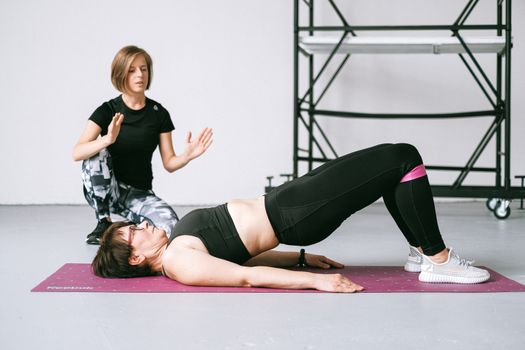
You can’t diagnose yourself from a few questions, but you can gather clues. Think of this as a way to guide your next steps and decide what to focus on (relaxation and down-training vs strengthening and coordination).
Clues that lean toward tension
- Pain with penetration, especially at the start
- Difficulty relaxing pelvic muscles during attempts at insertion or pelvic exercises
- Ongoing pelvic burning, pressure, or “clenched” feeling
- Urinary urgency without clear infection
- Symptoms worsen with stress, anticipation, or fear of pain
Clues that lean toward weakness
- Visible or reported leakage with exertion
- Heaviness or pressure that increases with standing, lifting, or exercise
- Support issues after pregnancy, childbirth, or surgery
- Fatigue or inability to maintain control during activity
- Orgasm feels less supported or less intense
Clues that suggest mixed patterns
- Leakage or heaviness and pain with penetration
- Difficulty relaxing and difficulty recruiting muscles for support
- Symptoms that change depending on stress level, cycle timing, or specific positions
If you notice mixed clues, the most useful approach is often “both/and”: gentle down-regulation and relaxation for comfort, plus targeted coordination and strengthening for support—guided by a pelvic health professional when possible.
Practical steps you can try now (without guessing too much)
These steps are educational and generally safe for many people, but if you have severe pain, bleeding, unexplained symptoms, or you suspect infection, prioritize medical evaluation first.
Step 1: Track your libido alongside physical symptoms
For 2–3 weeks, note:
- When desire drops (before stimulation, during arousal, or only with penetration)
- Whether pain/pressure shows up (where, how intense, and what triggers it)
- Urinary or bowel symptoms around the same time
- Stress level and sleep quality
This creates a map. If libido drops primarily when penetration is expected, tension and pain association are more likely. If libido drops with leakage concerns or heaviness during movement, weakness and support issues may be more prominent.
Step 2: Use breathing to influence pelvic floor tone
Breathing is one of the fastest ways to change pelvic floor behavior because it affects intra-abdominal pressure and the nervous system. Try this daily:
- Spend 3–5 minutes breathing slowly
- Inhale through your nose, allowing the lower belly to expand
- Exhale slowly and imagine the pelvis softening
- Avoid “bearing down” hard—aim for gentle expansion and release
If you feel more guarded during exhale, that can be a clue toward tension. If you feel more supported and stable, that can help with strength and coordination.
Step 3: Choose the right direction of training (relax first if pain is present)
If you have pain with penetration or a clenched sensation, prioritize relaxation and desensitization before strengthening. Strengthening a highly guarded system can sometimes worsen discomfort for a time.
Practical relaxation-focused options include:
- Gentle pelvic floor “drop” awareness (not a hard contraction)
- Warmth (like a warm shower) before intimacy
- Slower pacing and more lubrication to reduce friction and irritation
- Pelvic floor physical therapy techniques focused on down-training and coordination
If you have leakage, heaviness, and fatigue with support, you may benefit from coordinated strengthening. A common starting point is learning how to contract without holding your breath and without gripping the whole pelvic area. Many people do better with fewer, higher-quality reps than long sessions.
Because it’s common to have mixed patterns, the safest rule is: if pain is a major feature, treat relaxation/comfort as priority; if pain is minimal and support symptoms are dominant, strengthening and coordination are more likely to help.
Step 4: Address constipation and bladder irritation early
Pelvic floor tension and weakness can both be influenced by bowel and bladder patterns. If stool is hard or infrequent, you may strain, which can increase guarding. If bladder irritation is present, urgency can reinforce protective muscle recruitment.
Practical targets:
- Hydrate consistently
- Increase fiber gradually (avoid sudden large changes)
- Consider a stool-softening strategy with clinician input if you’re chronically constipated
- Don’t “just hold it” for long periods
Even small improvements in bowel comfort can change pelvic tone within days to weeks.
When specific libido patterns point to tension vs weakness
Libido isn’t one experience. It can change in distinct ways. Here are patterns that often correlate with pelvic floor tone.
If you get aroused but penetration feels impossible
This often aligns with pelvic floor tension or pain-related guarding. You might want sex mentally, but your body becomes rigid at the entrance or during deeper penetration. The libido drop may be protective: your body learns that arousal leads to discomfort.
In this scenario, relaxation, pain science, and gradual comfort-building tend to matter more than “stronger pelvic contractions.”
If you feel pressure or heaviness and avoid sex because you’re worried about leakage
That often aligns with pelvic floor weakness or support deficits. Desire can fade because intimacy feels risky. You may also notice that orgasm feels less “contained” or less supported.
In this scenario, coordinated strengthening and lifestyle supports (like reducing constipation and managing impact activity) are often central.
If symptoms vary by stress level, cycle timing, or position
That variability can suggest tension and nervous system involvement. Stress can increase guarding even if strength is adequate. Cycle timing can also influence pelvic comfort due to hormone-sensitive tissue changes.
It’s still possible to have weakness alongside tension. The key is to avoid training blindly and instead use symptom mapping to guide what you emphasize.
What to expect from pelvic floor assessment and treatment
A pelvic health professional—often a pelvic floor physical therapist—can help you distinguish tension, weakness, or mixed patterns. Typical assessment may include:
- Discussion of symptoms, sexual history, pain triggers, and bladder/bowel patterns
- Observation of posture, breathing, and movement mechanics
- Manual assessment of pelvic floor tone and coordination (only if you consent)
- Functional testing for support and endurance
Treatment is usually not a single exercise. It’s a progression. Many people notice some improvement within 2–6 weeks when the plan matches the pattern (relaxation for tension, strengthening/coordination for weakness). More complex cases may take 8–12 weeks or longer, especially when pain has been present for months.
Relevant tools you may hear about (and how to use them thoughtfully)
You may come across pelvic floor training devices, vaginal dilators, or at-home pelvic wands. These can be useful when used with the right goal, but the key is matching the tool to your symptom pattern.
- Dilators/wands: often used for comfort and desensitization when tension or pain with penetration is present. If you force progression during pain, you can reinforce guarding.
- Biofeedback or EMG devices: sometimes used to help you learn what your pelvic floor is doing during relaxation or contraction. They can be helpful for coordination problems.
- Contraction training: if weakness is dominant, learning controlled recruitment and endurance can support improved sensation and reduced leakage risk.
Because you’re comparing pelvic floor tension vs weakness libido effects, the most important principle is to avoid “one-size-fits-all” training. If pain is a major symptom, prioritize comfort-first strategies. If support symptoms dominate, prioritize coordination and strengthening.
Prevention and maintenance: keeping libido supported over time
Even after you improve, pelvic floor patterns can shift with stress, constipation, weight changes, hormones, and activity level. Prevention is mostly about reducing triggers that push you toward tension or toward fatigue.
Practical prevention habits
- Manage constipation early (don’t wait until it becomes severe)
- Practice relaxed breathing daily, especially during stress
- Use gradual progression with any pelvic training—avoid jumping from nothing to intense holds
- Reduce friction during intimacy (adequate lubrication and pacing)
- Strengthen supporting muscles (core and hips) as appropriate, because pelvic control is integrated
If you’ve noticed that libido reliably drops with a certain trigger—like penetration attempts, high-impact exercise, or times when your bowel habits worsen—treat that trigger as a signpost. The pelvic floor usually responds quickly when the environment improves.
Summary: how to interpret pelvic floor tension vs weakness libido changes

Pelvic floor tension vs weakness libido effects can look similar on the surface—both may lead to reduced desire, altered sensation, or discomfort. The difference is usually in the body’s primary problem:
- Tension often shows up as guarding, pain with penetration, urgency/frequency, and difficulty relaxing. Libido may drop because arousal becomes associated with discomfort or fear of pain.
- Weakness often shows up as leakage, heaviness, reduced support, and fatigue. Libido may drop because intimacy feels risky, less supported, or less pleasurable.
- Mixed patterns are common—especially after childbirth, chronic pelvic pain, or periods of stress—so symptom tracking matters more than labels.
Your best next step is to map your symptoms over 2–3 weeks, then choose the direction of training that matches what your body is signaling. If pain is significant, prioritize down-training, relaxation, and comfort. If support symptoms dominate, prioritize controlled coordination and strengthening. When you’re unsure, a pelvic health professional can help you avoid training in the wrong direction and support healthier libido over time.
25.04.2026. 22:29