

Stamina Depletion After Sex: Recovery Timeline & Fixes

What “stamina depletion after sex” feels like in the hours and days after
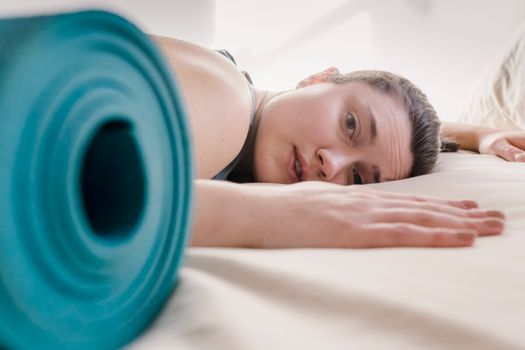
After sex, you expect a typical “recovery window”—maybe a few minutes to feel settled, then normal energy later that day. But sometimes your body doesn’t bounce back. Instead, you feel drained in a way that lasts longer than you think it should.
Common symptoms include:
- Heavy fatigue that starts soon after sex and lasts into the next day (or longer).
- Low desire or mental fog that makes it hard to feel motivated again.
- Reduced performance if you try again within 24–72 hours.
- Muscle soreness or a “worn out” feeling from pelvic and core engagement.
- Breathlessness, lightheadedness, or a “heart racing” sensation that feels out of proportion.
- Sleep disruption—you fall asleep but don’t feel restored.
The key issue is not that you feel tired. It’s the duration and intensity. If you’re repeatedly seeing stamina depletion that lasts well beyond your usual baseline, you need a practical, diagnostic approach.
Most likely causes behind the stamina depletion after sex recovery timeline
Your recovery timeline depends on physiology, lifestyle, and the specifics of the encounter. When recovery is unusually slow, these causes are common.
1) You’re pushing beyond your current cardiovascular and muscular capacity
Sex can be physically demanding. If your conditioning is low, or if the pace/intensity is high, you may experience fatigue similar to a workout. In practical terms, you might notice:
- Energy dips for 12–24 hours after more intense sessions.
- Noticeable “recharge” needs before you can perform comfortably again.
This is especially likely if you’re also sedentary most days or you’re doing long sessions without breaks.
2) Sleep debt and stress amplify the drain
Sex involves arousal, autonomic changes, and hormonal shifts. If you’re already behind on sleep or under stress, your body has fewer resources to recover. A real-world scenario: you have a demanding week, sleep 5–6 hours nightly, and then you have sex late at night. The next day you feel wiped, irritable, and cognitively slow. That’s often not a “sexual problem”—it’s recovery capacity.
3) Dehydration, low electrolytes, or inadequate fueling
Fatigue after sex can be worsened by dehydration. Even mild dehydration can reduce performance and make you feel weak. If you drank alcohol, had caffeine earlier, or didn’t eat for several hours beforehand, your stamina may drop more sharply.
Look for clues like dry mouth, headache, dark urine, or muscle cramps. In these cases, the recovery timeline may stretch to 24–48 hours or more.
4) Excessive pelvic floor tension or incomplete relaxation
Some people “hold tension” in the pelvic floor during arousal. That can create a post-sex feeling of heaviness, soreness, or lingering fatigue. If you also have constipation, urinary urgency, or persistent tightness, this becomes more likely.
Pelvic tension can make you feel like your stamina is “used up” even when the rest of your body is fine.
5) Overstimulation or pacing issues
Fast escalation, long periods of sustained high arousal, or little rest can lead to a larger energy cost than you realize. You may be tired not because sex is “too much,” but because the session’s pacing doesn’t match your current recovery bandwidth.
6) Underlying health factors
Persistent stamina depletion can sometimes be a sign of something else. Consider:
- Anemia or iron deficiency (fatigue, low stamina, sometimes shortness of breath).
- Thyroid issues (unexplained fatigue, temperature sensitivity).
- Diabetes or glucose instability (energy crashes).
- Sleep apnea (unrefreshing sleep, daytime fatigue).
- Cardiovascular conditions (especially if you have chest discomfort, unusual breathlessness, or dizziness).
If the fatigue is consistently severe, it’s worth treating this as a health signal—not a normal “recovery” issue.
Step-by-step troubleshooting and repair process

Use this like a diagnostic checklist. Don’t change everything at once. You want to identify the smallest set of factors that explains your pattern.
Step 1: Track your recovery window for 3 sessions
For three separate encounters (or three similar sexual activities), record:
- Time of day
- Session length (roughly)
- Intensity (low/medium/high)
- Alcohol/caffeine in the prior 6 hours
- Sleep the previous night (hours)
- Hydration (approximate water intake)
- How you feel at 1–3 hours, 12–24 hours, and 48 hours after
Patterns matter. If fatigue is mostly after late-night sessions with poor sleep, you’ve found a high-probability cause.
Step 2: Identify red-flag symptoms that change the plan
Before you adjust lifestyle, make sure you’re not dealing with something urgent. Seek medical evaluation promptly if you have:
- Chest pain, fainting, or severe dizziness
- Breathlessness that doesn’t settle quickly
- New, persistent palpitations
- Severe headache or neurological symptoms
- Symptoms that worsen over time rather than improving
These aren’t “recovery timeline” issues. They’re safety issues.
Step 3: Reduce session intensity and pacing for one week
Start with the simplest mechanical adjustment. For your next 1–3 encounters:
- Choose a lower intensity pace.
- Include natural pauses. Think “breaks” rather than continuous output.
- Aim for a session that’s closer to 20–30 minutes of active intensity rather than extended high-output time.
If your stamina depletion improves within a few days, you’ve confirmed the issue is often capacity and pacing rather than a deep underlying problem.
Step 4: Rehydrate and fuel in the hours surrounding sex
Try a targeted protocol for 3–5 days:
- Drink 500–750 mL of water in the 2–3 hours before sex (adjust down if you tend to bloat).
- If you sweat a lot or it’s hot, include electrolytes (water + electrolytes, not just plain water).
- Eat a light meal 1–3 hours before sex. Include carbs + protein (for example, rice or bread + chicken/eggs/beans).
- Avoid heavy alcohol the same evening. Even moderate alcohol can worsen sleep quality and recovery.
If your recovery timeline compresses from 24–48 hours down to the same day or next morning, dehydration/fueling was a major driver.
Step 5: Improve sleep quality the night before
Since sleep is the body’s main recovery currency, adjust the night before sex:
- Target 7–9 hours in bed.
- Stop caffeine 8 hours before bedtime.
- Keep the bedroom cool and dark.
- If you wake during the night, address that directly—fragmented sleep can turn a normal recovery into prolonged fatigue.
If your stamina depletion reliably improves when sleep is consistent, the timeline is less about sex and more about recovery capacity.
Step 6: Check for pelvic floor tension and add relaxation
If you feel heaviness, soreness, or “tightness” after sex, use a relaxation-first approach for one week:
- Practice slow diaphragmatic breathing for 5 minutes after sex (inhale through nose, long exhale).
- Do gentle stretching for hips and lower back (avoid aggressive stretching if sore).
- During arousal, focus on letting muscles soften rather than gripping.
If symptoms reduce, pelvic tension was likely contributing to the feeling of stamina loss.
Solutions from simplest fixes to more advanced fixes
Work through these in order. If you jump straight to advanced steps, you may miss the simplest cause.
Simple fixes (try first)
- Shorten the session and add pacing breaks for 1–2 weeks.
- Hydrate and add electrolytes when you’re low on fluids or it’s warm.
- Eat beforehand if you tend to go into sex on an empty stomach.
- Align timing with your energy: if you’re usually depleted by late evening, try earlier.
- Limit alcohol on the same day, especially if you notice next-day fatigue.
Targeted adjustments (if simple fixes don’t work)
- Change frequency: give yourself a recovery buffer. If you’re trying again within 24 hours and feeling drained, extend to 48–72 hours for a couple of cycles and see if the timeline normalizes.
- Reduce intensity variability: avoid sudden “all-out” surges. A steadier pace often reduces post-session fatigue.
- Review medications and substances: antihistamines, antidepressants, sleep aids, and recreational substances can affect fatigue and recovery.
More advanced fixes (when the pattern is persistent)
- Conditioning plan: build cardiovascular tolerance gradually. If you’re mostly sedentary, start with 20 minutes of brisk walking 3–4 times per week for 2–3 weeks, then reassess. Better conditioning often shortens the stamina depletion timeline.
- Pelvic floor assessment: if tension is suspected, a pelvic floor physical therapist can evaluate muscle overactivity and teach relaxation strategies. This is especially relevant if you have pain, urinary symptoms, or ongoing tightness.
- Medical workup: if fatigue is severe, persistent, or paired with other symptoms (breathlessness, dizziness, persistent sleep issues), ask a clinician about labs and screening tailored to your symptoms (common examples include CBC/iron studies, thyroid testing, and glucose evaluation).
When replacement, changes in approach, or professional help are necessary
“Replacement” can mean different things depending on what you’re dealing with. In most cases, you don’t need to replace anything mechanical—you need to replace the assumptions about what’s causing the drain. But there are moments when professional help is the correct next step.
Get professional help sooner if you see these patterns
- Severe fatigue that consistently lasts beyond 48 hours after moderate sessions.
- Exercise intolerance beyond the bedroom (you feel unusually tired with normal daily activity).
- Symptoms with exertion like breathlessness, chest discomfort, or dizziness.
- New onset of stamina depletion after sex without an obvious lifestyle reason.
- Pelvic pain, burning, persistent urinary symptoms, or heavy soreness that doesn’t improve.
Consider a pelvic floor professional
If your main problem is heaviness, tightness, soreness, or lingering pelvic discomfort, and your fatigue seems tied to how your body “holds” during arousal, pelvic floor evaluation is often more effective than generic recovery advice.
Consider medical evaluation for systemic fatigue
If stamina depletion is accompanied by low energy at other times, you’re waking unrefreshed, or your sleep is consistently poor, a clinician can help rule out common contributors like anemia, thyroid dysfunction, glucose instability, or sleep apnea.
When changing products or “supplements” is not the answer
If you’re thinking about replacing your routine with something new because of fatigue, pause. In many cases, the biggest levers are pacing, hydration, fueling, and sleep. Supplements don’t reliably fix dehydration, sleep debt, or excessive pelvic tension.
If you do use any products (including vitamins or performance aids), treat them as secondary and track whether they actually change your recovery timeline over multiple sessions. If they don’t, shift back to the fundamentals above and consider professional evaluation.
Practical example: how the recovery timeline changes when you fix pacing and sleep
Imagine you notice stamina depletion after sex that lasts until the next day. You typically have sex late at night, after a full day of work, and you usually sleep about 5–6 hours. The next day you feel drained and your desire is lower.
For the next week, you do three changes:
- You schedule sex earlier (at least 2–3 hours before your normal bedtime).
- You keep sessions shorter and add a couple of natural breaks.
- You drink water beforehand and eat a light meal with carbs and protein.
On the first day, you still feel tired for an hour or two afterward, which is normal. But by 12–24 hours, the “wiped out” feeling is noticeably smaller. By the next morning, you feel closer to your baseline and you’re not dreading the next recovery cycle.
This kind of shift strongly suggests the issue was not a mysterious loss of stamina—it was your recovery capacity being overdrawn.
Use a recovery timeline to guide your next steps
The “stamina depletion after sex recovery timeline” should be predictable for you. Many people recover within the same day or by the next morning, especially with adequate sleep, hydration, and pacing. When your timeline stretches to 24–48 hours repeatedly, treat it like a diagnostic signal.
Start by tracking your last three sessions. Then test one variable at a time: intensity/pacing, hydration/fueling, and sleep. If fatigue remains severe or comes with red-flag symptoms, don’t keep troubleshooting alone—get professional guidance.
Your goal isn’t to eliminate fatigue entirely. It’s to return to a recovery timeline that matches your body’s baseline and lets you feel restored, not depleted.
09.01.2026. 08:11