

Pelvic Floor Relaxation Troubleshooting: Fix Tightness Fast

When pelvic floor relaxation won’t “take”: what you’ll notice
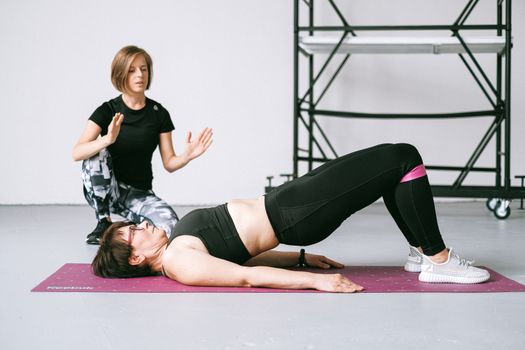
Pelvic floor relaxation troubleshooting usually starts with a simple problem: you can’t get your pelvic muscles to soften. You might feel like you’re doing the right stretches and breathing cues, but the area stays guarded anyway. That “stuck tight” sensation can show up in different ways, and the pattern matters because it points to the likely cause.
Common signs that relaxation isn’t working (or isn’t working consistently) include:
- Persistent pelvic heaviness that doesn’t ease after you try diaphragmatic breathing or relaxation exercises.
- Ongoing burning, aching, or pressure that flares after stress, long sitting, or bowel movements.
- Urge symptoms (urgency, frequency) even when you feel “empty,” often paired with difficulty fully relaxing to urinate.
- Pain during or after sex, tampon insertion, or pelvic exams, sometimes described as “tightness” more than sharp pain.
- Constipation or incomplete emptying where you feel you’re straining despite trying to relax.
- Visible or felt bracing in the lower abdomen, glutes, or inner thighs when you attempt to relax.
- Relaxation exercises that feel worse—for example, deeper exhale breathing increases pelvic discomfort instead of decreasing it.
Here’s a practical scenario you’ll recognize: you start a relaxation routine, you notice temporary improvement for a few minutes, then the pelvic area tightens again when you stand up, walk, or sit. That “relax then re-tighten” cycle is a big clue that the issue isn’t only the pelvic floor muscle itself—it’s often the nervous system, breathing mechanics, hip positioning, or device fit.
Most likely causes behind pelvic floor “can’t relax” sensations
Before you change anything, you want to identify what’s most likely driving the tightness. In most cases, pelvic floor relaxation failure comes from one (or a combination) of these causes:
1) You’re trying to relax while your body is still bracing
Stress and guarded posture can keep your pelvic floor in a protective state. You may be relaxing the pelvic muscles on purpose, but your abdomen, glutes, or adductors are still contracting. Even mild bracing can prevent true lengthening.
2) Breathing isn’t actually reaching the pelvic area
Many people perform “deep belly breathing” but the movement is limited to the belly only. True pelvic floor relaxation typically involves coordinated diaphragm descent, rib expansion, and an exhale that reduces sympathetic tone. If you hold your breath, shorten your exhale, or breathe high in the chest, pelvic floor relaxation often won’t stick.
3) Hip and thoracic restrictions are forcing the pelvis to stay locked
Limited hip extension, tight hip flexors, restricted hamstrings, and a stiff thoracic spine can change pelvic mechanics. Your pelvic floor then compensates. If your hips can’t move freely, the pelvic floor may remain the “control system” for stability.
4) Overdoing stretching or pressure-based techniques
Some people push too hard with internal work, aggressive stretching, or prolonged holding. Micro-inflammation and protective guarding can follow. If relaxation feels better during a session but worse later the same day or next morning, you may be overshooting your tolerance.
5) Device or supplement mismatch
In the Supplements & Devices category, this is a common hidden factor. A device that’s too large, not positioned correctly, or used for too long can increase guarding. Similarly, supplements that affect hydration, bowel regularity, or muscle tone may help indirectly—but the wrong timing or dose can backfire if it changes your GI function or sleep quality.
6) Pain sensitization or an underlying condition
If symptoms are persistent, progressive, or include red flags (blood in urine/stool, fever, severe pain, unexplained weight loss), you need medical evaluation. Some conditions (pelvic pain syndromes, endometriosis, infections, interstitial cystitis/bladder pain, nerve entrapment) require targeted care. Relaxation troubleshooting is still useful, but it should not replace proper diagnosis.
Step-by-step pelvic floor relaxation troubleshooting (start here)
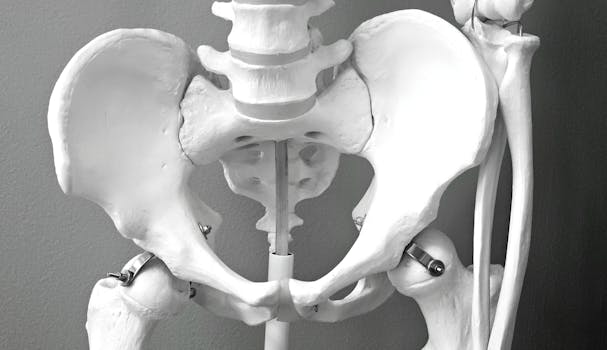
Use this sequence like a diagnostic checklist. You’re looking for what changes the sensation within 1–3 minutes, not what feels like it should work.
Step 1: Confirm you can “drop” your pelvic area on an exhale
Lie on your back with knees bent (or on a wedge if you prefer). Take 6 slow breaths:
- Inhale through your nose for about 3–4 seconds.
- Exhale through your mouth for 6–8 seconds, as if fogging a mirror without pushing hard.
- On each exhale, imagine the pelvic floor “softening downward and back.”
What you’re checking: does the sensation reduce, stay the same, or increase? If it increases, don’t force more intensity. Move to Step 2 and focus on reducing bracing.
Step 2: Scan for bracing in 30 seconds
Without changing your breathing, do a quick body scan:
- Are you clenching glutes?
- Are your inner thighs squeezing together?
- Is your belly hard like a drum?
- Are your ribs lifting as you inhale too high?
Now try this cue: exhale first, then inhale gently. Many people need to “find softness” by letting the body lead rather than forcing relaxation.
Step 3: Test a bowel-friendly relaxed position
Relaxation often fails when you’re using a “constipation posture.” Try a stool under your feet (a 6–10 inch footstool works well) so your knees are higher than your hips. Spend 2–4 minutes practicing easy breathing.
Practical example: if you notice pelvic pressure spikes when you sit on the toilet with your feet flat, this position change alone can reduce guarding. Pair it with slow exhale breathing and avoid straining.
Step 4: Check hip mobility that affects pelvic mechanics
Stand and do a gentle test: can you shift your weight forward without clenching your pelvic area? Try a 30–60 second hip flexor stretch (light tension only). If tightness increases sharply in the pelvic area, you may need softer, shorter work rather than deeper stretching.
Step 5: Evaluate your device setup (if you use one)
If you’re using a pelvic wand, dilator set, or any internal device, troubleshooting is about fit and time. Ask yourself:
- Is the device size appropriate for your current tolerance? If you’re sizing up weekly, slow down.
- Are you using enough lubricant (dry friction can trigger guarding)?
- Are you holding pressure too long (common mistake: 10–15 minutes of intense pressure when you need shorter, gentler exposures)?
- Do you feel worse immediately after, or worse the next day? Timing tells you whether you’re overshooting.
For many people, a better starting range is 1–3 minutes of gentle internal work, then reassess. You can build gradually, but you shouldn’t “power through” pain signals.
Solutions from simplest fixes to more advanced fixes
Work through these in order. Each step should be tested for at least 3–5 days before you judge it, because nervous system changes take time. If a change reliably reduces symptoms within a session, you’ve found a lever worth keeping.
Start with breath mechanics you can actually repeat
Most pelvic floor relaxation troubleshooting fails because the breathing cue is inconsistent. Try a structured protocol:
- Twice daily for 5 minutes.
- Use a counted exhale (inhale 3–4 seconds, exhale 6–8 seconds).
- Keep your shoulders relaxed. If your shoulders rise, your breath is too high.
- Let your belly soften. You’re not trying to expand; you’re trying to release.
If you’re getting worse during breathing, shorten the exhale to 4–6 seconds and focus on comfort. The goal is a nervous system signal of safety, not maximum intensity.
Fix sitting and toileting mechanics within 24 hours
Simple positioning changes can reduce pelvic floor overactivity quickly:
- Use a footstool when sitting on the toilet. Aim for knees slightly higher than hips.
- When you sit during the day, try a small lumbar support or a rolled towel. Slumped posture often increases pelvic bracing.
- Take a micro-break every 30–45 minutes: stand up, do 10 slow breaths, then return.
Buyer-friendly device suggestion: a compact toilet footstool or travel stool can make this change easy to maintain. If you struggle with constipation-related pelvic pressure, this is one of the most cost-effective “devices” in the whole troubleshooting process.
Reduce guarding with heat and gentle down-regulation
Heat can lower pain sensitivity and make relaxation easier. Try:
- 10–15 minutes of warm heat to the lower abdomen or pelvic area (comfortably warm, not hot).
- Follow immediately with the exhale breathing routine from Step 1.
If you have skin sensitivity, use a barrier layer (thin towel) and avoid prolonged high heat. You’re aiming for “comfortable warmth,” not deep tissue heat that triggers discomfort.
Adjust internal work: shorter sessions, lighter pressure, better pacing
If you use a pelvic wand or dilators, your troubleshooting focus should be dose and technique. A common mistake is treating internal work like a stretching contest.
Try this pacing approach:
- Session length: 1–3 minutes per area at first.
- Pressure: stop at the first “strong stretch” sensation. You should not be chasing pain.
- Frequency: 3–4 times per week initially.
- Aftercare: keep the day gentle—no additional intense stretching immediately after.
Real-world example: you’ve been using a dilator for 10 minutes because you read it helps “break up tightness.” After trying the shorter 2–3 minute sessions for a week, you notice less flare the next morning. That’s a sign you were overshooting and triggering protective guarding.
Product direction: when you choose a dilator set or pelvic wand, prioritize gradual sizing, a comfortable shape for your anatomy, and easy-to-clean materials. For many users, a set with smaller increments (rather than large jumps) makes pelvic floor relaxation troubleshooting much easier because you can match your current tolerance.
Support muscle coordination with external strengthening (done lightly)
This sounds counterintuitive, but pelvic floor relaxation often improves when the pelvic floor is no longer the only stabilizer. Light, well-timed activation can teach coordination.
Use a “relax-first” approach:
- Do 5 exhale breaths.
- Then do 5 gentle pelvic floor contractions (about 20–30% effort) held for 1–2 seconds.
- Relax fully for 5–8 seconds between contractions.
- Stop if you feel burning, sharp pain, or a lingering increase in tone.
Keep this to once daily for 5–7 days, then reassess. If your tone rises and stays elevated, you’re likely contracting too hard or too long.
Use supplements strategically for bowel regularity and nerve comfort
Supplements don’t directly “relax pelvic floor muscles” the way breath and positioning can. But they can remove triggers—especially constipation and GI irritation—that keep the pelvic floor braced.
Consider these common, practical categories:
- Magnesium (glycinate or citrate): often used to support muscle relaxation and sleep. Start low and monitor stool consistency. If you get loose stools, reduce dose.
- Fiber support (psyllium is a common choice): helps regularity, which reduces straining and pelvic pressure. Increase slowly over 3–7 days and drink enough water.
- Osmotic stool support (like certain electrolyte-based options) if you’re prone to hard stools. Don’t overuse without guidance.
A buyer-focused approach: choose supplements that match your goal. If constipation is a consistent trigger, prioritize bowel regularity first. If urinary urgency is a bigger issue, focus on hydration consistency and GI comfort rather than high-dose magnesium that might upset your stomach.
Practical timing rule: give any supplement change 5–10 days to see whether it reduces straining and pelvic pressure. If your symptoms worsen quickly (within 24–72 hours), stop and reassess.
Upgrade your routine with a device for external down-training
If your pelvic floor feels “stuck” even when you’re breathing correctly, external down-training can help reduce protective tone. Options vary by preference and tolerance, but you’ll typically see:
- Heat packs or heated wraps for consistent warmth.
- Massage tools aimed at glutes, hips, and lower back to reduce whole-body guarding.
- TENS or neuromodulation devices used under appropriate guidance for pelvic pain patterns.
Buyer direction: if you’re choosing a heat wrap, look for adjustable temperature and a shape that covers comfortably without overheating. If you’re considering a TENS unit, make sure it has clear intensity control and that you understand electrode placement and safe use guidelines—when in doubt, use professional instruction.
When to consider replacement, device changes, or professional help
Pelvic floor relaxation troubleshooting isn’t only about “fixing it yourself.” Sometimes the right move is to change the tool—or get hands-on assessment.
Replace or adjust your device if you see one of these patterns
- You consistently experience increased tone for 24–48 hours after internal sessions.
- You feel sharp pain rather than a tolerable stretch sensation.
- You’ve outgrown your current dilator/wand size progression and the next size is triggering flare.
- Lube isn’t helping because friction is still high—this may indicate the device shape or surface isn’t matching your needs.
In these cases, don’t “push through.” Scale down session time, reduce pressure, or switch to a set with more gradual increments. Many people find a better match with a different shape or a smaller starting size rather than forcing progress.
Get professional evaluation if symptoms persist beyond 4–8 weeks
If you’ve tried consistent breath work, toileting/sitting changes, and appropriately paced internal work (or none at all) for 4–8 weeks, and you’re still stuck, it’s time to involve a pelvic health professional. A pelvic floor physical therapist can assess muscle tone, coordination, trigger points, and how your breathing and posture interact with your pelvic floor.
Professional help is especially important if you have:
- Frequent pain flares that don’t match your routine.
- Urinary symptoms plus pelvic pain that keeps returning.
- Pain with sex or exams that’s worsening.
- Neurologic symptoms (numbness, radiating pain) or bowel symptoms that are changing.
Seek medical care sooner if red flags appear
If you have fever, severe worsening pain, blood in urine or stool, new inability to urinate, or unexplained systemic symptoms, seek urgent medical evaluation. Relaxation troubleshooting should not delay necessary care.
A simple weekly troubleshooting plan you can follow
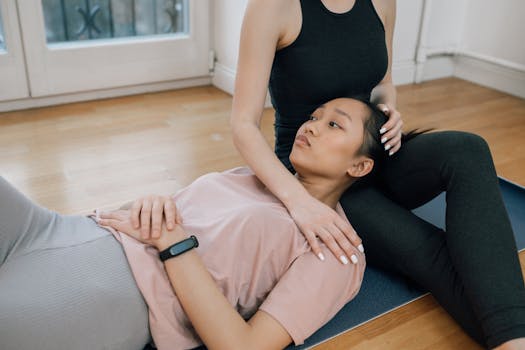
If you want structure, use this 7-day loop. It keeps you from changing too many variables at once.
- Days 1–2: Breath mechanics (twice daily, 5 minutes) + toileting posture (footstool) + micro-breaks every 30–45 minutes.
- Days 3–4: Add heat (10–15 minutes) before breathing. If you use internal work, reduce session time to 1–3 minutes.
- Days 5–6: Add external down-training (gentle hip/glute release) and check whether pelvic tone increases during hip work.
- Day 7: Review what changed. If symptoms improved during exhale breathing, keep that. If symptoms worsened, reduce intensity and reassess device pressure and bowel triggers.
Keep notes on a phone: pelvic heaviness (0–10), pain (0–10), urgency (0–10), and whether you felt better during the routine or only afterward. That data makes troubleshooting faster and more accurate.
Common mistakes that keep pelvic floor relaxation from working
If you’re stuck, it’s often because one of these is happening:
- Over-breathing: you’re taking bigger breaths than your body can handle, which can increase guarding.
- Holding your breath during relaxation cues.
- Too much internal time: you’re doing long sessions when you need short, tolerable exposures.
- Ignoring constipation: straining and incomplete emptying keep the pelvic floor “on duty.”
- Using the wrong size device: jumping sizes too quickly can create a protective cycle.
- Staying in the same posture all day: pelvic floor tone follows your day, not just your exercise routine.
The good news: most of these mistakes are fixable within a week once you know what to look for.
How to choose devices and supplements without making things worse
Because this guide sits in Supplements & Devices, here’s a practical buyer mindset for pelvic floor relaxation troubleshooting: choose tools that reduce triggers, not tools that “force” release.
When choosing a pelvic wand or dilator set:
- Prefer gradual progression and smaller starting sizes.
- Look for comfortable ergonomics so you’re not tensing your hands/hips during use.
- Choose materials that are easy to clean and compatible with your lubricant.
- Don’t buy into the idea that longer equals better. You want tolerable, repeatable sessions.
When choosing a heat device:
- Adjustable warmth and good coverage matter more than maximum heat.
- Consistency beats intensity. Aim for 10–15 minutes at a comfortable temperature.
When choosing supplements:
- If your main trigger is bowel-related, prioritize fiber or magnesium thoughtfully, and increase slowly.
- If you’re sensitive to GI changes, start with the smallest effective dose and track stool consistency.
- Give changes 5–10 days before concluding they don’t work.
Final checkpoint: what “successful troubleshooting” looks like
Successful pelvic floor relaxation troubleshooting isn’t just “it feels good once.” It looks like:
- Your pelvic area softens within 1–3 minutes of exhale-focused breathing.
- Toileting feels easier without straining or bracing.
- Internal work (if you do it) no longer causes a next-day flare.
- Symptoms fluctuate less over the week, even with normal stress.
If you’re not seeing those signs, don’t assume you’re doing everything wrong. It usually means the lever you’re pulling isn’t the right one yet—breathing mechanics, pacing, device fit, or bowel triggers. Keep troubleshooting with small, measurable changes and adjust quickly when you see the pattern.
faq_html
14.05.2026. 02:55