

How to Lower Oxidative Stress: Practical Steps You Can Start Today

What you’re trying to achieve when you lower oxidative stress
Oxidative stress happens when your body has more reactive oxygen species (ROS) than it can neutralize with antioxidants. Over time, that imbalance can contribute to inflammation, tissue damage, and poorer recovery. Your goal is simple: reduce the triggers that increase ROS and strengthen the systems that control them—especially antioxidant defenses, mitochondrial function, and inflammation regulation.
When you follow the steps below, you’ll be building a routine that supports your body’s redox balance. Think of it as lowering the “input” (sources of oxidative stress) while raising the “output” (antioxidant capacity and repair).
Preparation: what you need before you start
You don’t need fancy equipment. You do need a plan you can stick to for at least 4 to 8 weeks. Before you change anything, gather a few basics so your adjustments are measurable.
- 1–2 weeks of baseline habits: note your typical sleep time, daily steps, exercise days, alcohol intake, and how often you eat vegetables and fruit.
- A food check: list what you usually eat for breakfast and dinner. This helps you spot low-antioxidant patterns quickly.
- Medication and condition awareness: if you take anticoagulants, have kidney disease, or have a history of photosensitivity, be cautious with high-dose supplements and discuss changes with a clinician.
- A simple tracking method: use notes on your phone or a paper checklist to mark each day you complete the steps.
If you want to be extra precise, you can also track one biomarker through routine care (for example, hs-CRP for inflammation). Oxidative stress markers are not always routinely available, so habit tracking often gives you the clearest feedback.
Step-by-step: how to lower oxidative stress with daily actions
Use these steps in order. Start with the first two immediately, then add the rest. Most people see meaningful changes in how they feel (energy, recovery, digestion, and training tolerance) within 2 to 4 weeks, with stronger benefits by 8 to 12 weeks.
1) Reduce your biggest oxidative stress triggers for the next 14 days
Before you add anything new, remove what increases ROS. Pick 2–3 actions you can complete consistently.
- Stop smoking or vaping: if you currently use nicotine, this is one of the most direct oxidative stress drivers. If quitting feels hard, set a quit date and use evidence-based support through a clinician or quit program.
- Cut alcohol: limit to no more than 0–1 drink per day, and consider taking alcohol-free days (for example, 3–4 days per week).
- Improve air quality exposure: on high-smoke or high-pollution days, reduce outdoor time and run indoor filtration if available.
- Avoid frequent overheating: if you regularly use very hot saunas or hot tubs for long sessions, shorten duration and ensure hydration.
Real-world scenario: If you work in a kitchen or near industrial fumes, oxidative stress can rise from heat and particulate exposure. For two weeks, you can prioritize ventilation, use protective gear when required, and add antioxidant-rich meals at lunch and dinner to offset the increased ROS load.
2) Build an antioxidant-forward plate at least twice per day
Diet provides antioxidants and supports endogenous antioxidant systems (like glutathione). Aim for color and variety rather than chasing one “superfood.”
For each main meal, use this structure:
- Half the plate: non-starchy vegetables (leafy greens, peppers, broccoli, carrots, tomatoes, mushrooms).
- One-quarter: high-fiber carbs (beans, lentils, quinoa, oats, brown rice, sweet potatoes).
- One-quarter: protein (fish, poultry, eggs, tofu/tempeh, yogurt if tolerated).
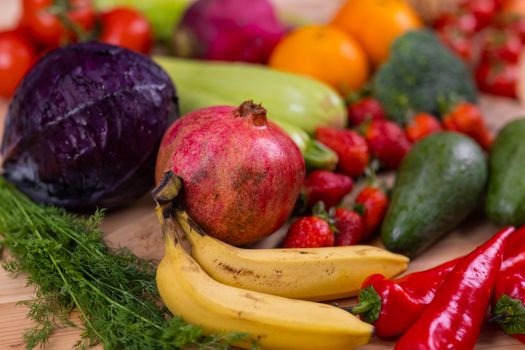
- Plus a fruit serving: berries, citrus, pomegranate, or kiwi for vitamin C and polyphenols.
Practical targets you can use:
- Vegetables: 2–4 cups per day (more if you tolerate it well).
- Fruit: 1–2 servings per day.
- Legumes: 3–5 servings per week.
- Fat quality: use olive oil, nuts, seeds, and fatty fish to support anti-inflammatory pathways.
Example day: Breakfast could be Greek yogurt with berries and chia. Dinner could be salmon with roasted broccoli and a side of lentils. The point is consistency—antioxidants work best as a pattern, not a one-time “detox.”
3) Choose the right fats and reduce ultra-processed foods
Oxidative stress and inflammation often rise together when diets are heavy in ultra-processed foods and low in micronutrients. You don’t need perfection; you need direction.
For the next 30 days:
- Limit ultra-processed foods: aim for fewer than 2 servings per day, then reduce to 0–1 as you can.
- Prioritize omega-3 sources: fatty fish (salmon, sardines, mackerel) 2–3 times per week, or discuss supplementation if you don’t eat fish.
- Use extra-virgin olive oil: as your primary cooking oil when possible.
- Watch added sugars: keep added sugar low, especially sugary drinks.
If you often eat packaged snacks, try a simple swap: replace one snack per day with a handful of nuts plus fruit, or hummus plus vegetables. The antioxidant and fiber load matters.
4) Exercise in a way that improves antioxidant defenses without overdoing it
Exercise can increase ROS temporarily. The key is that training adapts your antioxidant systems over time. You want enough stimulus for adaptation, not chronic exhaustion.
Use this 4-week plan:
- Cardio: 150 minutes per week of moderate activity (brisk walking, cycling) OR 75 minutes vigorous, plus 2 days of light-to-moderate intervals if you enjoy them.
- Strength training: 2 days per week, full-body or upper/lower split.
- Recovery days: schedule at least 1 full rest day or active recovery day each week.
Practical example: If you currently do high-intensity workouts 5–6 days per week and feel constantly sore, reduce intensity. Keep sessions shorter and add one easy walk day between hard days. This reduces the risk of “too much ROS without enough recovery.”
5) Sleep like it’s part of your oxidative stress strategy
Sleep influences inflammation, metabolic function, and your body’s repair systems. When sleep is short or irregular, oxidative stress tends to climb.
For the next two weeks, aim for:
- 7–9 hours in bed each night.
- Consistent wake time within 1 hour daily.
- Wind-down: 30–60 minutes of low light and reduced screen brightness before bed.
- Caffeine cutoff: stop caffeine 8 hours before bedtime if you’re sensitive.
If you wake at night, focus on restoring routine first. You can also try a room that’s cool and dark, and avoid heavy meals right before bed.
6) Manage stress with daily downshifting
Chronic psychological stress can increase oxidative stress through elevated cortisol and inflammatory signaling. You don’t need to eliminate stress. You need regular recovery.
Choose one approach and do it daily for 10 minutes:
- Breathing: slow nasal breathing (for example, inhale 4 seconds, exhale 6 seconds) for 10 minutes.
- Mind-body movement: gentle yoga, stretching, or tai chi.
- Walking meditation: slow walk with attention on breath or sensations.
Real-world scenario: If you have a high-pressure job and your evenings are filled with late-night scrolling, replace 10 minutes of screen time with a short breathing session. Over weeks, this supports calmer physiology and may improve recovery from workouts.
7) Support hydration and micronutrient sufficiency
Hydration affects circulation and metabolic processes. Micronutrient insufficiency can reduce your ability to produce antioxidants.
Use these practical targets:
- Water: aim for pale-yellow urine most of the day (often around 2–3 liters, depending on body size and activity).
- Electrolytes: if you sweat heavily, consider electrolyte sources through food (broth, salted meals in moderation) rather than relying on sugar-heavy drinks.
- Magnesium-rich foods: leafy greens, beans, nuts, and whole grains.
- Vitamin C sources: citrus, kiwi, berries, bell peppers.
Try this simple check: if your diet is mostly bread, pasta, and low-vegetable meals, your antioxidant intake is probably low. Fixing that is usually more impactful than adding supplements.
8) Use supplements only when you have a clear reason
Supplements can help in specific situations, but they’re not a substitute for food, sleep, and activity. If you choose to supplement, do it thoughtfully and avoid stacking high doses.
Consider these evidence-informed options only if they match your needs:
- Omega-3 (EPA/DHA): useful if you rarely eat fatty fish.
- Vitamin D: if you’re deficient based on testing.
- Magnesium: if dietary intake is low or you have constipation, cramps, or poor sleep (choose forms that suit tolerance).
- Curcumin or green tea extracts: sometimes used for inflammation support, but avoid high-dose extracts if you have liver issues or take medications that interact.
Natural “antioxidant” supplements can be risky in high doses. For example, high-dose antioxidants may blunt some training adaptations in certain contexts. If you’re training hard, keep supplementation conservative and prioritize whole foods.
If you ever consider a supplement, discuss it with a clinician if you take anticoagulants, have chronic disease, are pregnant, or have a history of adverse reactions.
Common mistakes that keep oxidative stress high
Even with good intentions, a few patterns make oxidative stress harder to lower. Watch for these.
- Trying to “detox” with extreme fasting: short-term restriction can backfire if it worsens sleep, increases cravings, or leads to nutrient gaps.
- Eating low-antioxidant meals while adding supplements: supplements can’t replace a diet rich in polyphenols, vitamins, and fiber.
- Overtraining without recovery: high intensity 6–7 days per week often increases oxidative damage. Adaptation requires recovery.
- Ignoring sleep consistency: sleeping 5 hours on weekdays and “catching up” on weekends can keep inflammation elevated.
- Relying on sugary drinks and ultra-processed snacks: these patterns can increase oxidative stress and worsen metabolic health.
- Smoking and “compensating” with antioxidants: antioxidants help, but they don’t neutralize the oxidative load from nicotine exposure effectively.
Additional practical tips to optimize results
Once the core steps are in place, small adjustments can improve consistency and outcomes. Use these to fine-tune your plan.
Stagger antioxidant-rich foods across the day
Instead of consuming most antioxidants at one meal, spread them. For example, include berries or citrus in the morning, vegetables at lunch, and a colorful vegetable portion at dinner. This supports a steadier antioxidant environment.
Use fiber to support antioxidant and anti-inflammatory signaling
Fiber feeds beneficial gut microbes that can influence inflammation. Aim for:
- 25–38 grams/day depending on body size and activity.
- Legumes 3–5 times/week and whole grains most days.
If you’re not used to fiber, increase gradually over 1–2 weeks to avoid digestive discomfort.
Time exercise to match your recovery capacity
If you’re stressed, sleep is short, or you feel unusually sore, choose lower intensity movement that day. A 30–45 minute brisk walk can still support antioxidant adaptation without pushing recovery over the edge.
Reduce repetitive high-heat exposure
Heat stress from very hot environments can increase oxidative stress. If you use a sauna, keep sessions moderate (for example, 10–15 minutes) and avoid frequent extremes. Hydrate and cool down properly.
Keep a “minimum viable routine” on busy days
On days when you’re rushed, don’t abandon everything. Use a minimum routine:
- One antioxidant-rich meal (at least 2 cups of vegetables)
- 10 minutes of downshifting (breathing or gentle stretching)
- A 20–30 minute walk
- Early bedtime target by 30 minutes
This prevents your habits from collapsing and helps maintain your oxidative stress reduction momentum.
Track adherence, not perfection
After 4 weeks, review your checklist. Ask: Did you hit vegetables and fruit most days? Did you sleep closer to 7–9 hours? Did you avoid constant high intensity training? Small corrections are usually more effective than restarting completely.
Use “real feedback” from your body
Watch for practical signals: improved recovery after workouts, fewer days of feeling rundown, steadier energy, and easier digestion. These aren’t perfect biomarkers, but they reflect changes in inflammation and oxidative balance.
Optional next step: when to involve a clinician

If you have persistent fatigue, chronic inflammation conditions, diabetes, kidney disease, autoimmune disorders, or you’re on medications that affect oxidative pathways, involve a clinician before making major changes—especially if you plan supplements or significant diet shifts.
Consider medical guidance also if you smoke, have heavy alcohol use, or have symptoms like unexplained weight loss, shortness of breath, or ongoing pain. Lowering oxidative stress is a lifestyle strategy, but it should sit alongside appropriate medical care.
Putting it all together: your 30-day plan
To make this actionable, use a simple sequence for the next month.
- Days 1–14: reduce triggers (smoking if applicable, alcohol moderation, pollution exposure), and build antioxidant-forward meals at least twice daily.
- Days 7–30: add structured exercise (150 minutes/week cardio + 2 strength days) and protect recovery with at least one rest/active recovery day.
- Days 1–30: lock in sleep consistency and do 10 minutes of stress downshifting daily.
- Week 3–4: refine by reducing ultra-processed foods, adding omega-3-rich meals, and improving fiber intake.
- Throughout: avoid overdoing supplements; only consider them if there’s a clear dietary gap or lab-confirmed need.
If you follow this, you’ll be addressing oxidative stress from multiple angles at once: fewer triggers, better antioxidant intake, improved mitochondrial and recovery capacity, and lower inflammatory signaling.
07.02.2026. 21:23