

Pelvic Floor Biofeedback Device: How It Works and When It Helps

Understanding a pelvic floor biofeedback device and why it matters
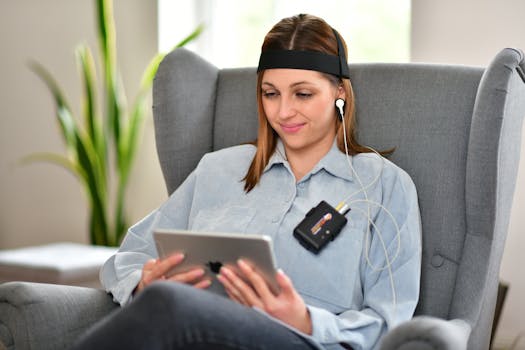
A pelvic floor biofeedback device is a tool used to help you “see” or “hear” what your pelvic floor muscles are doing. Because pelvic floor muscle control isn’t visible from the outside, many people struggle to know whether they are contracting correctly, relaxing fully, or coordinating pressure with breathing and movement. Biofeedback provides real-time information—often through sound, visual signals, or a screen—so you can adjust your technique with guidance.
In practice, a pelvic floor biofeedback device is most often used as part of pelvic floor physical therapy. The goal is not simply to train strength. The goal is to improve control: the ability to contract when needed, relax when needed, and coordinate those actions during daily activities like walking, coughing, using the bathroom, or lifting.
If you’re dealing with symptoms such as urinary incontinence, fecal incontinence, pelvic organ prolapse concerns, painful intercourse, chronic pelvic pain, or difficulty initiating or fully emptying your bladder or bowels, biofeedback can be a key part of a structured rehabilitation plan. It’s also used when you have trouble learning pelvic floor exercises because you can’t reliably feel what your muscles are doing.
What a pelvic floor biofeedback device measures
Biofeedback devices don’t “diagnose” the cause of symptoms by themselves. Instead, they measure muscle activity patterns or related physiological signals that reflect pelvic floor function. Depending on the system, you may see different types of feedback.
Muscle contraction and relaxation signals
Many pelvic floor biofeedback devices measure electrical activity from the pelvic floor muscles. This is typically done using an internal probe (often placed vaginally or rectally) or external sensors placed near the perineal area. When you contract, the device detects changes in electrical signals. When you relax, the signal typically drops.
Clinicians use these signals to teach you:
- How to contract specific muscle groups without overusing nearby muscles.
- How to relax fully between contractions (a common issue in pelvic floor overactivity).
- How to sustain a contraction for a target duration (for example, 5–10 seconds) and then return to baseline.
- How to coordinate contractions with breathing and functional tasks.
Pressure and movement feedback
Some systems use pressure sensors or manometry-style measurements to estimate how much pressure is generated by the pelvic floor. Other systems may use strain gauges or transducers that respond to movement or pressure changes.
Pressure-based feedback can be especially relevant for learning how to control the pelvic floor during activities that change abdominal pressure, such as coughing, sneezing, or lifting. It may also be used when clinicians want to monitor strength and endurance in a way that feels more intuitive than purely electrical signals.
Breathing and coordination cues
Because pelvic floor function is closely tied to core mechanics, some therapy programs incorporate breathing and coordination training alongside biofeedback. Even when the device primarily measures pelvic floor activity, your therapist may pair it with cues about diaphragmatic breathing, rib position, and abdominal engagement to improve timing and reduce compensations.
How pelvic floor biofeedback works during a session
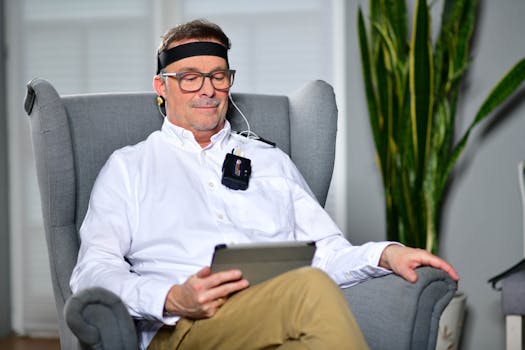
A typical biofeedback session is structured and goal-oriented. While the exact setup varies by clinic and device, most sessions follow a similar logic: establish baseline, practice targeted contractions or relaxation, then apply the skill to functional situations.
Step 1: Baseline assessment
Your clinician will usually start by checking your baseline pelvic floor activity and your ability to follow instructions. You may be asked to:
- Relax as much as possible
- Perform gentle contractions
- Repeat contractions at a specific pace
- Coordinate with breathing or a simple task
Baseline matters. If your muscles are overly tense, your relaxation may be the first target. If your muscles are weak or hard to activate, your first target may be learning a reliable, low-effort contraction.
Step 2: Real-time feedback during training
Next, you practice while the device provides immediate feedback. The feedback might look like a rising bar on-screen, a tone that changes with contraction intensity, or a waveform that shows how your muscle activity changes over time.
Therapists often use “training ranges” to teach you precision. For example, they might guide you to contract to a moderate level rather than maximum effort. This reduces the risk of gripping with accessory muscles like the glutes, abdomen, or inner thighs.
Step 3: Strength, endurance, and relaxation drills
Training commonly includes three categories:
- Quick contractions (fast “on” and “off” ability). These can be practiced with short cycles such as 1–2 seconds on and 1–2 seconds off.
- Sustained holds (endurance). Many programs use holds in the range of 5–10 seconds, repeated multiple times with rest periods.
- Relaxation training (down-regulation). Especially in pelvic pain or constipation-related symptoms, learning to fully release pelvic floor tension can be crucial.
Step 4: Transfer to functional tasks
The final step is applying your new control to real life. Your therapist may have you practice pelvic floor activation during:
- Breathing and posture changes (sit-to-stand, rolling in bed)
- Gait and stair climbing
- Coughing or laughing with coordinated timing
- Lifting mechanics (often taught later in a progression)
This transfer is where many people notice the biggest difference. You’re not just learning an exercise—you’re learning a strategy your nervous system can use automatically.
Common conditions where biofeedback can be helpful
Biofeedback is used across a range of pelvic floor conditions. It tends to be most helpful when there is a mismatch between what you’re trying to do and what your muscles are actually doing.
Urinary incontinence
For stress urinary incontinence, you may need to coordinate a pelvic floor contraction with sudden increases in abdominal pressure. A pelvic floor biofeedback device can help you learn the timing and intensity of a protective contraction.
For urgency symptoms, the focus may be different. Some people benefit from improving relaxation and reducing pelvic floor overactivity, while others need better control and improved bladder–pelvic floor coordination. Your therapist will tailor training based on your response and symptom pattern.
Fecal incontinence and bowel control
Biofeedback can support training of sphincter coordination and pelvic floor muscle control. It can be used when you have trouble sensing rectal pressure, coordinating contractions, or developing consistent relaxation patterns.
In bowel training, biofeedback is often paired with education about stool consistency, toileting posture, and behavioral strategies. The pelvic floor is only one part of bowel control.
Chronic pelvic pain and pelvic floor overactivity
When pelvic floor muscles are chronically tense, you may experience pain with sitting, intercourse, tampon use, or bowel movements. In these cases, a pelvic floor biofeedback device can help you practice down-training—learning to relax the pelvic floor and reduce guarding.
A practical example: imagine you feel pain when you try to relax because your pelvic floor “stays on” automatically. During biofeedback, you may see that your contraction signal doesn’t drop as expected, even when you think you’re relaxing. With guided practice, you can learn a more complete release and reduce protective muscle tension.
Difficulty emptying bladder or bowel
Some people struggle with incomplete emptying because of impaired coordination—either not generating enough pressure or not relaxing at the right time. Biofeedback can help you practice the sequence of “contract to assist” and “relax to allow emptying,” depending on the specific pattern your clinician identifies.
Types of pelvic floor biofeedback devices you may encounter
Clinics and therapists may use different hardware configurations. Understanding the general categories can help you interpret what you’re being asked to do during training.
Internal sensor probes
Internal probes are used to measure pelvic floor muscle activity more directly. Depending on your anatomy and comfort, these may be vaginal or rectal. The clinician positions the sensor and then uses the feedback to guide your training.
Internal sensors are often chosen when precise measurement is needed, or when external signals are too indirect to guide learning.
External sensors
External options may be placed on the perineal area or around the pelvic region. They can be useful in some training contexts, particularly when internal placement is not appropriate or when the clinician wants to start with less invasive feedback.
External feedback may be less specific in some cases, but it can still support learning coordination, especially when paired with hands-on assessment.
Pressure or manometry-based systems
Some devices use pressure-sensing technology to estimate how much the pelvic floor compresses or how pressure changes with contraction and relaxation. These systems can be helpful for training strength and timing, particularly when a therapist wants a pressure-based target.
Home-use devices: what to know
Some pelvic floor biofeedback device options are designed for home use, often with guidance from a clinician. If you’re using a home system, it’s important to have a clear plan: what muscles to train, what intensity range to aim for, how often to practice, and how to progress.
Without clinical direction, home training can drift into “too much, too often,” especially for people with pelvic floor overactivity. If you notice increased pain, burning, heaviness, or worsening urgency after a practice period, you should review the training approach with your therapist.
What a typical training timeline looks like

Pelvic floor rehabilitation is usually not measured in days. It’s measured in weeks. A biofeedback device helps you learn faster, but your symptoms and muscle patterns still require time to change.
Early sessions (first 1–3 visits)
In the first sessions, clinicians typically focus on:
- Learning correct contraction and relaxation
- Reducing compensatory strategies (clenching with other muscles)
- Establishing a baseline and training targets
It’s common to feel “different” after a session because you’re recruiting muscles in a new way. That doesn’t automatically mean you’re improving yet; it means you’re learning.
Skill-building phase (weeks 3–8)
During weeks 3–8, many people practice structured drills multiple times per week, often including a home program. Clinicians may progress from simple contractions to coordination with movement and pressure changes.
A practical example: if you have stress urinary incontinence, your therapist might start by training a contraction you can see on the device. Then you practice the same contraction while standing, then while walking, and later with a cough simulation. By the time you apply it to real life, you’re not guessing—you’re using the timing your training taught.
Consolidation and carryover (weeks 8–12+)
By roughly 8–12 weeks, many people see meaningful symptom change, though timelines vary widely. The focus shifts to maintaining control under stress, fatigue, and daily activities. You may reduce the intensity of clinic-based feedback while continuing practice.
If your symptoms don’t improve after a reasonable period—often 8–12 weeks of consistent training—your clinician may reassess your diagnosis, muscle coordination pattern, or whether another intervention is needed.
How to use pelvic floor biofeedback safely and effectively
Safety is about technique, comfort, and appropriate progression. Biofeedback can be helpful, but it should not be painful or used in a way that provokes symptoms.
Expect discomfort to be minimal
Some people feel mild pressure from an internal probe or a slight sensation of stretching. Pain is not the goal. If you experience sharp pain, significant burning, bleeding, or lingering discomfort that lasts beyond the session, you should pause and discuss it with your clinician.
Practice the right intensity
One of the most common training mistakes is “max effort.” If you squeeze too hard, you can increase pelvic floor tension and worsen symptoms like urgency, pain, or heaviness. Biofeedback helps you train within a target intensity range.
As a general principle, you want clear muscle activation without gripping. Clinicians often start with gentle-to-moderate effort so you can learn control before you build endurance.
Include relaxation, not only contraction
Relaxation training is essential in many cases. If your pelvic floor is overactive, focusing only on strengthening can backfire. A good program includes rest periods and deliberate release between contractions.
Use consistent timing and rest intervals
Training your pelvic floor is similar to training other muscles: you need enough rest to avoid fatigue and compensatory patterns. Many clinic protocols include rest intervals of several seconds between sets, and a total session duration often around 15–30 minutes of active practice, depending on your tolerance.
Your clinician can tailor this based on your symptoms and measured response.
Keep your therapist involved when symptoms change
If you notice new symptoms—worsening leakage, increased pain, new constipation, or a change in how you empty your bladder—don’t “push through” blindly. Biofeedback training should be adjusted, not intensified automatically.
A real-world scenario: learning pelvic floor timing for leakage
Consider a common situation: you experience leakage when you run, jump, or even briskly walk. You try pelvic floor exercises, but you can’t tell whether you’re contracting at the right time. During a therapy session, your clinician places a sensor and asks you to contract gently. The device shows that your contraction happens too late—after the pressure spike—so the protective effect is missing.
Then your clinician guides you to practice a “pre-emptive” contraction. You practice with feedback while standing, then while shifting weight, and then with a controlled cough or step pattern. Over several sessions, the signal rises before the functional pressure event. By week 4–6, many people can coordinate this contraction more reliably without needing the device every moment.
In this scenario, the pelvic floor biofeedback device acts like a timing coach. It helps you link the sensation you’re trying to create with the muscle activity you actually produce.
How to interpret the feedback you see or hear
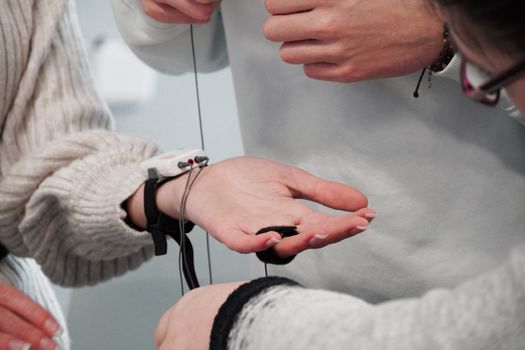
Biofeedback is only useful if you understand what it’s telling you. Your therapist should explain the target and what “good” looks like. Still, you can learn a few general interpretation rules.
Higher signal isn’t always better
A common misunderstanding is that stronger always equals better. But pelvic floor rehabilitation often aims for coordinated, appropriate activation—not maximal contraction. If the signal is high but relaxation is incomplete, you may be recruiting too much tension.
Look for smooth on/off patterns
For many training goals, smooth control matters more than peaks. A pattern that rises and then returns to baseline quickly can reflect good timing and appropriate relaxation.
Notice whether you can reproduce the same response
Consistency is a sign of learning. If your signal is erratic, your clinician may adjust technique, reduce complexity, or refine sensory cues. Sometimes the issue is not the pelvic floor—it’s how your breathing, posture, or glute/abdominal muscles are contributing.
What to ask your clinician before starting
If you’re considering pelvic floor biofeedback as part of therapy, a few targeted questions can help you get a clear plan.
- What specific muscle control problem are we targeting (strength, relaxation, coordination, timing)?
- What should “good” look like on the device (intensity range, hold time, rest time)?
- How will we measure progress—symptoms, function tests, repeatable device signals, or all of these?
- How often should I practice at home, and what should I do if I feel worse after a session?
- Are internal sensors necessary for my case, or can we start with external feedback?
- What precautions apply based on your history (pain conditions, recent surgery, pregnancy/postpartum status)?
Prevention and maintenance guidance after improvement
Pelvic floor skills can improve, but they also need maintenance. When symptoms lessen, it’s tempting to stop training. Many people do better with a long-term maintenance approach that matches their lifestyle.
Build a simple maintenance routine
After a course of therapy, you may continue with a reduced home program. A common approach is to keep a blend of:
- Short quick contractions for timing
- Short endurance holds for baseline support
- Relaxation practice to counter stress-related clenching
Your clinician can suggest a frequency that fits your schedule. For example, some people do best with 3–4 brief sessions per week rather than long sessions once weekly.
Address triggers that increase abdominal pressure
Leakage and pelvic floor strain often flare with certain triggers: heavy lifting, constipation, chronic coughing, high-impact exercise, or prolonged breath-holding. Prevention includes addressing these triggers alongside pelvic floor training.
Use posture and breathing as part of pelvic floor control
Pelvic floor function is influenced by intra-abdominal pressure and breathing mechanics. If you notice symptoms increase when you hold your breath during effort, practice coordinated exhalation during exertion. This reduces pressure spikes and supports better pelvic floor timing.
Summary: when a pelvic floor biofeedback device is most useful

A pelvic floor biofeedback device can be a powerful educational tool. It helps you learn pelvic floor control by providing real-time information about contraction and relaxation. That feedback is especially valuable when you can’t reliably feel what your pelvic floor is doing, when timing is off, or when relaxation is incomplete.
In therapy, you typically progress from baseline assessment to targeted drills and then to functional transfer—using the learned skill during everyday activities. Most people need weeks of consistent practice, often 8–12 weeks for meaningful change, though timelines vary.
To use biofeedback effectively and safely, aim for correct technique rather than maximum effort, include both contraction and relaxation training, and adjust your plan if symptoms worsen. If you’re considering starting, ask your clinician what targets you’re training, what “good” looks like, and how progress will be measured.
With the right guidance, biofeedback can help you gain confidence in pelvic floor control—and that confidence often translates into better day-to-day function.
16.04.2026. 09:10